Cherry Springs State Park Stargazing Guide
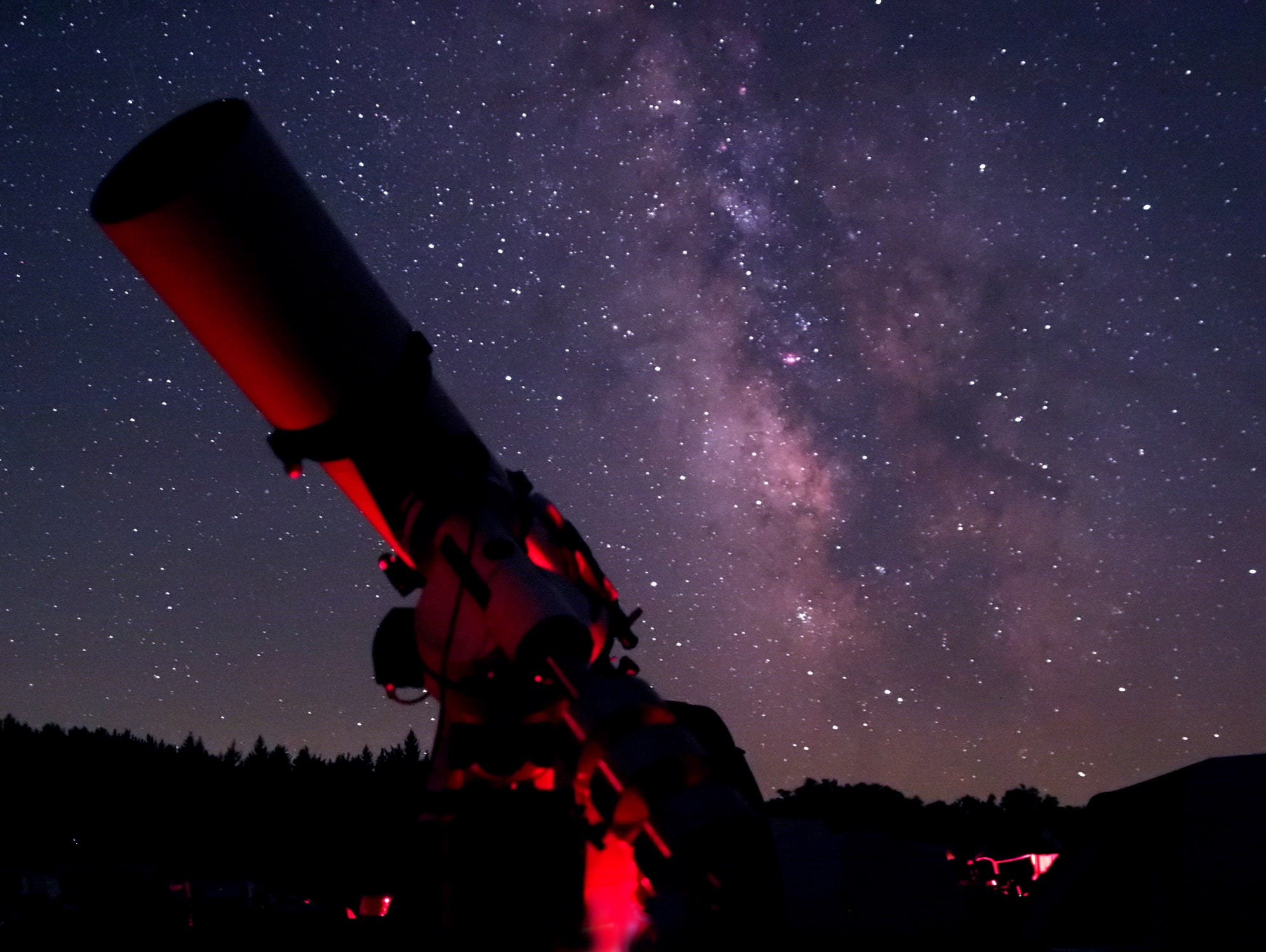
Cherry Springs State Park stargazing offers a completely different way to experience northern Pennsylvania. Most PA Route 6 trips focus on what you can see during the day, from state parks and scenic overlooks to small-town Main Streets. But some of the region’s best views appear after the sun goes down.
Located in Potter County within Susquehannock State Forest, Cherry Springs State Park is known for exceptionally dark skies and clear views of the night sky. For travelers exploring the PA Route 6 Heritage Corridor, it is worth building an overnight stop into your trip.
Why Cherry Springs State Park Is a Dark Sky Destination
Cherry Springs State Park sits on a mountain at an elevation of about 2,300 feet. The surrounding Susquehannock State Forest remains largely undeveloped, while nearby communities sit in valleys that help limit artificial light reaching the park.
Those conditions helped Cherry Springs earn international recognition. In 2008, DarkSky International designated Cherry Springs as an International Dark Sky Park. It became the first park in the eastern United States to receive the designation and received Gold Tier recognition under the program used at the time.
The park’s astronomy field also provides an unobstructed 360-degree view of the sky. Park lighting has been designed to protect those conditions, which makes it easier to see stars and other objects that disappear under the light pollution found around cities and suburbs.
DarkSky International reports that roughly 60 to 85 nights each year offer ideal observing conditions at Cherry Springs. However, weather, cloud cover, moonlight, and seasonal conditions all affect what you will see on any particular night.

Best Time for Cherry Springs State Park Stargazing
You can stargaze at Cherry Springs throughout the year, but different seasons offer different views. Spring through early fall is especially popular with visitors hoping to see the bright center of the Milky Way.
For the darkest conditions, plan your visit around the new moon. With less moonlight washing out the sky, faint stars and features of the Milky Way become easier to see. Clear skies are just as important, so check the weather and current sky conditions before making the drive.
Summer also brings several well-known meteor showers. The Perseids, which usually peak in August, are especially popular. However, a bright moon can reduce the number of meteors you see, so check the lunar calendar along with the expected shower dates.
And remember that darkness arrives much later during summer. Give your eyes time to adjust after sunset before expecting the full view.
Choose the Right Stargazing Area at Cherry Springs
Cherry Springs State Park offers three different options for visitors. Choosing the right one depends on how long you plan to stay and how seriously you want to observe the night sky.
Night Sky Public Viewing Area
The Night Sky Public Viewing Area is the best choice for most first-time and casual visitors. It is intended for short visits lasting a few hours and includes parking, restrooms, and an amphitheater area protected from passing vehicle lights.
You can bring blankets, lawn chairs, binoculars, and telescopes. Red-filtered flashlights are strongly recommended because they help preserve your night vision and reduce disruption for other visitors.
Overnight stays are not permitted in the Night Sky Public Viewing Area.
Cherry Springs Rustic Campground
The Rustic Campground works well for casual stargazers who want to stay overnight. The campground has 30 non-electric campsites with picnic tables, lantern hangers, and fire rings.
Unlike the Overnight Astronomy Observation Field, the campground does not have strict lighting restrictions. However, visitors should still limit unnecessary light, use red-filtered lights when possible, and keep campfires small to protect the dark sky experience.
Camping is seasonal, and reservations are recommended. Check the official Cherry Springs camping information before planning an overnight stay.
Overnight Astronomy Observation Field
The Overnight Astronomy Observation Field is designed for serious stargazers who bring telescopes, astrophotography equipment, or other observing gear.
Visitors must register and obtain a permit before using the field. A user fee also applies. White light is prohibited, and all permitted lighting must use red filters or remain fully shielded.
The field includes electrical outlets for astronomy equipment, telescope pads, and an unobstructed 360-degree view of the sky. Because special rules apply, review the official Cherry Springs stargazing guidelines before you arrive.
What Can You See at Cherry Springs State Park?
You do not need a telescope to enjoy Cherry Springs State Park stargazing. On a clear, dark night, the Milky Way can become the main attraction all by itself.
Depending on the season and conditions, you may also see planets, constellations, meteor showers, satellites, and other astronomical objects. Binoculars can reveal even more without requiring the setup or experience of a telescope.
Visitors with telescopes can look for fainter objects that are difficult or impossible to see from areas affected by heavy light pollution. That includes star clusters, nebulae, galaxies, and other deep-sky objects.
Attend a Stargazing Program or Star Party
You do not have to figure everything out on your own. Cherry Springs hosts educational astronomy programs throughout the year, including guided night sky tours and telescope programs led by park staff and volunteers.
These programs can help beginners identify constellations, planets, stars, and other features of the night sky. Program schedules change throughout the year, so check the Cherry Springs State Park events and program information before your trip.
The park also hosts major astronomy gatherings, including the annual Black Forest Star Party. The event brings amateur astronomers together for observing, educational programs, speakers, and several nights under the dark skies of Potter County.
What to Bring for a Night at Cherry Springs
Stargazing does not require much equipment, especially if you are visiting for the first time. A chair or blanket, warm clothing, and a red-filtered flashlight will cover the basics.
Bring extra layers even during summer. Cherry Springs sits at a higher elevation, and temperatures can drop once the sun goes down. You will also feel colder after sitting still outside for several hours.
A pair of binoculars is another useful addition. They are easier to use than a telescope and can reveal stars and details that you will not see with your eyes alone.
Most importantly, prepare for limited cell service. Cherry Springs is remote, and DCNR notes that most cell phones do not have network coverage at the park. Download directions and any information you need before you arrive.

Protect Your Night Vision and the Dark Sky
Darkness is the reason people travel to Cherry Springs, so a few simple habits make the experience better for everyone.
Avoid unnecessary white light after dark. Instead, use a flashlight with a red filter and point it toward the ground. Turn down your phone brightness and use a red-screen setting when possible.
The Overnight Astronomy Observation Field has stricter requirements. White light is prohibited there, and vehicle and equipment lighting must follow the park’s astronomy field rules.
Give your eyes time to adjust too. After spending 20 to 30 minutes away from bright light, you will begin to notice stars and details that were difficult to see when you first arrived.
Make Cherry Springs Part of Your PA Route 6 Road Trip
Cherry Springs sits along PA Route 44 in Potter County, a short drive from Pennsylvania Route 6. That makes it easy to combine a night of stargazing with a larger trip through the PA Wilds.
During the day, explore nearby communities, state forests, scenic overlooks, museums, and outdoor recreation. Then head to Cherry Springs before sunset so you can get settled while there is still daylight.
Coudersport makes a convenient Route 6 base for exploring Potter County. Wellsboro also provides another option if your trip includes the Pine Creek Gorge and Pennsylvania Grand Canyon region.
For more stops to add before or after your night under the stars, visit the PA Route 6 Scenic Byway page and start building your Route 6 itinerary.
Frequently Asked Questions About Cherry Springs State Park Stargazing
Where is Cherry Springs State Park?
Cherry Springs State Park is located in Potter County, Pennsylvania, along PA Route 44 within Susquehannock State Forest. It sits a short drive south of the PA Route 6 corridor and Coudersport.
Do I need a reservation to stargaze at Cherry Springs?
You do not need a camping reservation for a short visit to the Night Sky Public Viewing Area. However, overnight camping in the Rustic Campground should be reserved in advance. Visitors using the Overnight Astronomy Observation Field must register, obtain a permit, and pay the required user fee.
When is the best time to visit Cherry Springs State Park for stargazing?
Cherry Springs offers stargazing throughout the year. For especially dark skies, visit near a new moon on a clear night. Spring through early fall is popular for viewing the bright center of the Milky Way.
Is Cherry Springs State Park good for beginners?
Yes. Beginners can see plenty without a telescope, especially from the Night Sky Public Viewing Area. Park astronomy programs can also help first-time visitors learn how to identify stars, planets, constellations, and other objects.
Can I stay overnight at Cherry Springs State Park?
Yes, but you cannot stay overnight in the Night Sky Public Viewing Area. The park has a 30-site Rustic Campground for overnight camping and a separate Overnight Astronomy Observation Field for registered astronomy users.
What should I bring to Cherry Springs for stargazing?
Bring warm layers, a lawn chair or blanket, a red-filtered flashlight, water, and any snacks you need. Binoculars are useful but not required. You should also download directions before arriving because cell service at the park is limited.
Can I use a regular flashlight at Cherry Springs?
Red-filtered lights are the best choice throughout the park because they help preserve night vision. White light is prohibited on the Overnight Astronomy Observation Field and during certain astronomy programs, so review the rules for the area you plan to visit.
More Posts From PA Route 6
Read More
Biking the Pine Creek Rail Trail from Route 6
From Scenic Byway to Pennsylvania's Grand CanyonTour the Gorge on the 2026 PA Trail of the YearLooking…

Discover “Coal” History on PA Route 6
Anthracite, often referred to as hard coal, is unique to 5 counties in northeast Pennsylvania: Lackawanna,…

Meet the Makers: A Weekend on the PA Route 6 Artisan Trail
Explore the PA Route 6 Artisan Trail and plan a weekend road trip filled with local artists, makers,…

Old Spaces, New Energy: The Power of Adaptive Reuse Workshop
On June 4th, PA Route 6 Alliance participated in the Old Spaces, New Energy: The Power of Adaptive Reuse…
Get Social
