Taking the Bike by the Handlebars
The Evolution of Bicycling
From a Simple Pastime to an Economic Powerhouse
Graveling, bikepacking, rail-trail touring… the language of cycling has evolved considerably since the 1980s, when bloody noses were a distinct possibility as kids pedaled Hot Wheels trikes with knees pumping high enough to graze their faces, and when 10-speeds with ram’s horn handlebars and notoriously unforgiving seats ruled the streets.
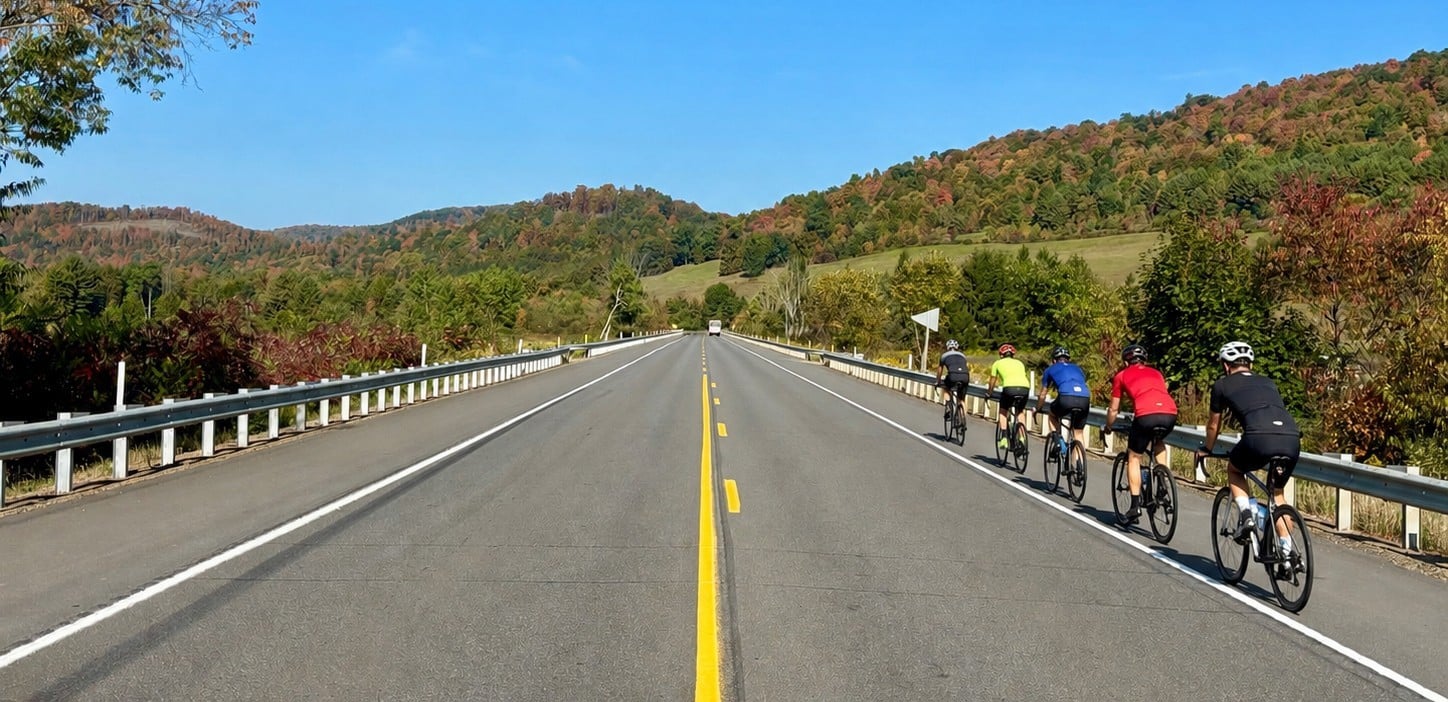
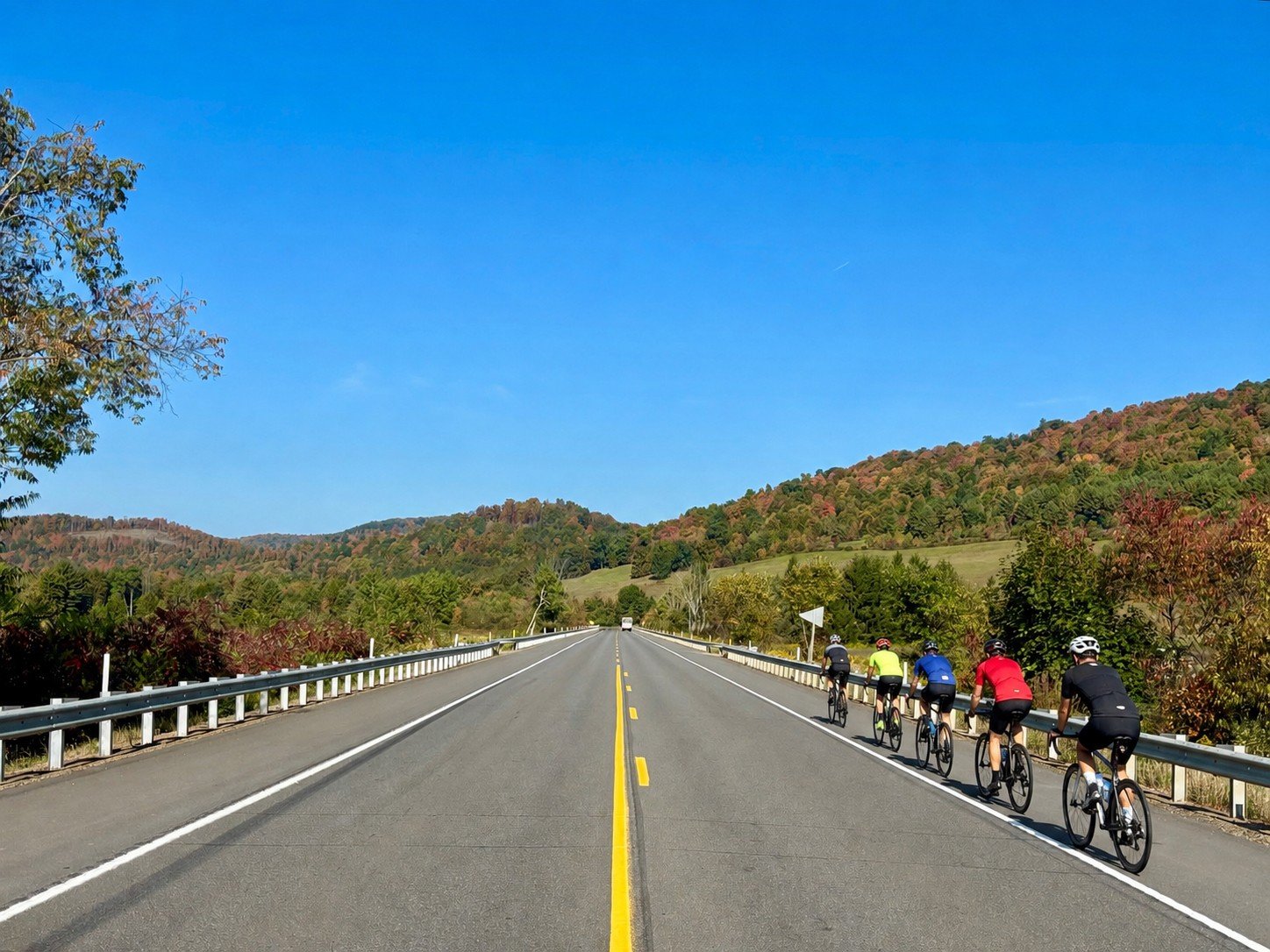
There were certainly “real” bikes back then, though they rarely seemed to dominate the landscape the way they do today. Now, on any pleasant day, it’s almost impossible to take a drive without spotting lines of helmet-clad cyclists cruising the shoulder in focused formation, out for both exercise and enjoyment.
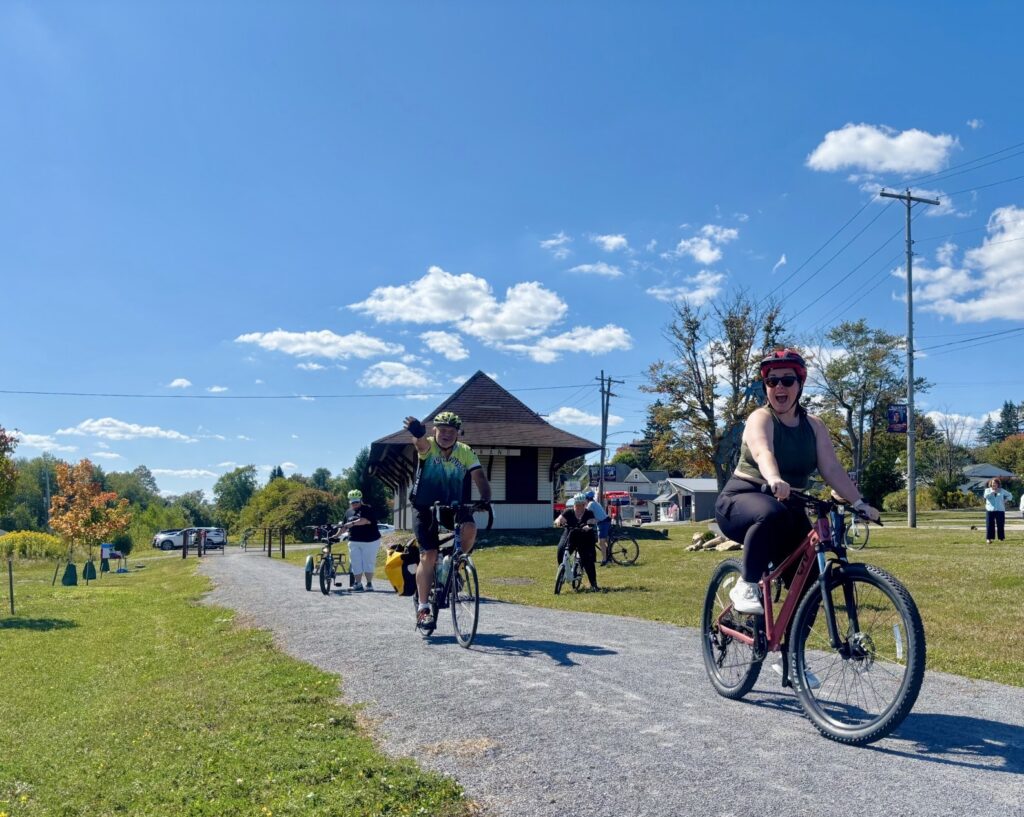
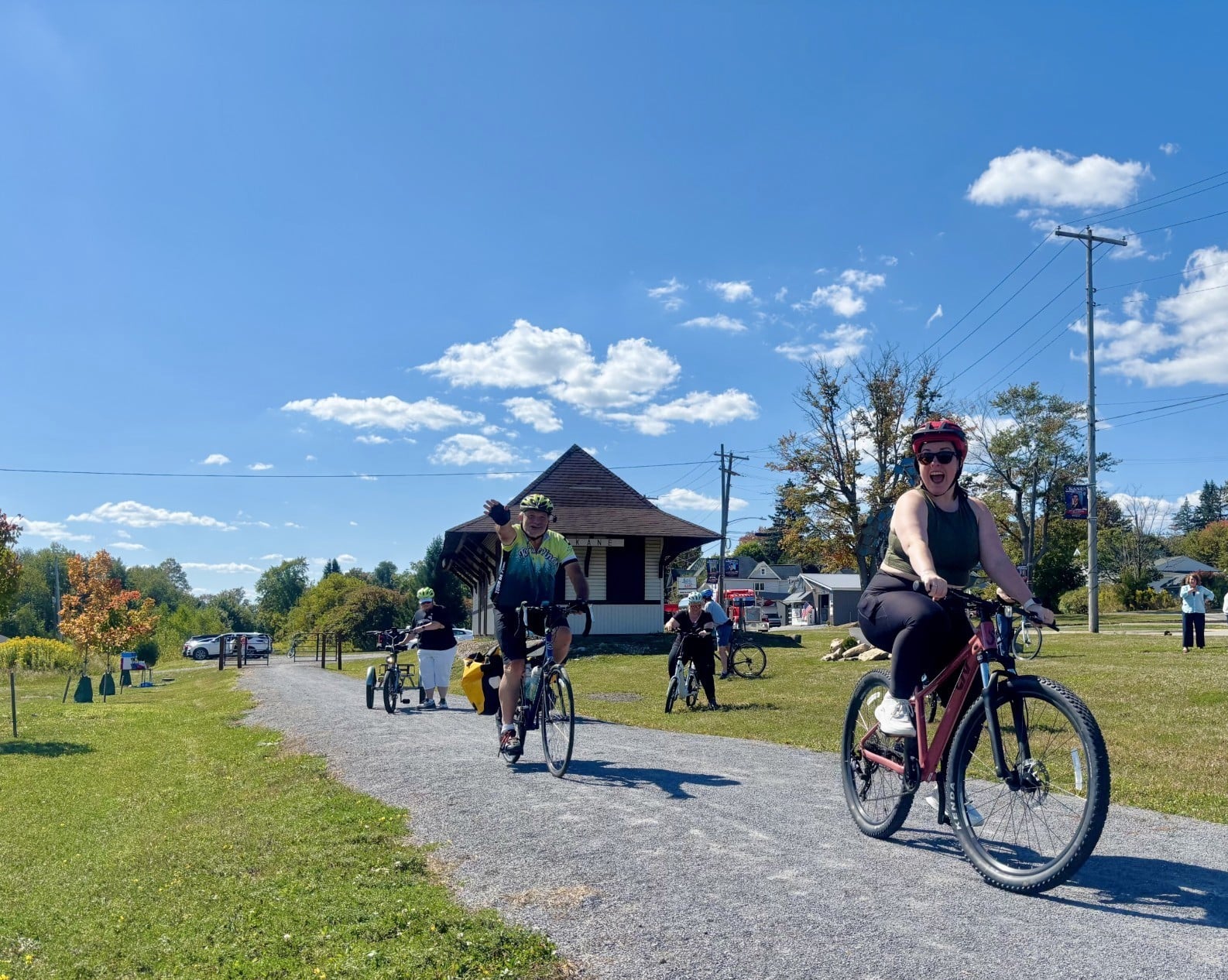
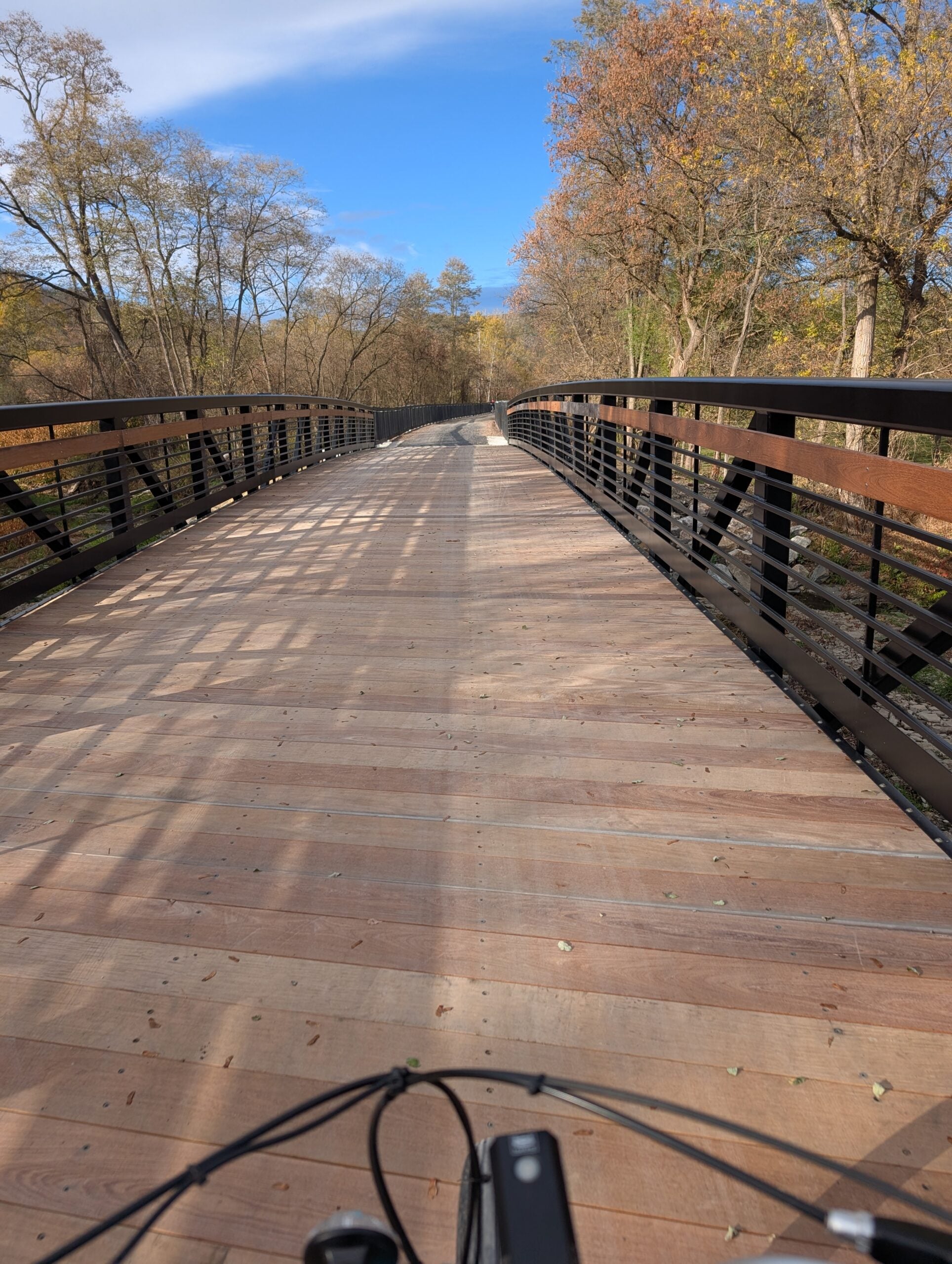
Bike trails have taken over old rail lines. Cycling clubs have formed both on college campuses and in retirement villages. Gravel roads, once deemed undesirable, are now a hotspot for bike races. Restaurants have added bike racks to their parking lots, wisely accommodating the hungry athletes passing through. E-bikes have made more difficult, and often more scenic, terrain accessible to a much wider audience.
In other words, cycling has grown from a simple pastime into a powerful driver of economic development, attracting visitors, supporting local businesses, and helping communities invest in recreation as both a quality-of-life asset and a tourism strategy across generations, and that has never been more realized than today.
PA Route 6 Cycling Initiatives
The PA Route 6 Alliance has been taking the bike by the handlebars and has become a leading force in the cycling initiative, developing and mapping hundreds of miles of loops, creating the format for a bicycle friendly business program, hosting workshops on the benefits of bicycle tourism, and building partnerships that position the 427-mile corridor as one of the region’s premier cycling destinations.
Route Development & Signature Loops:
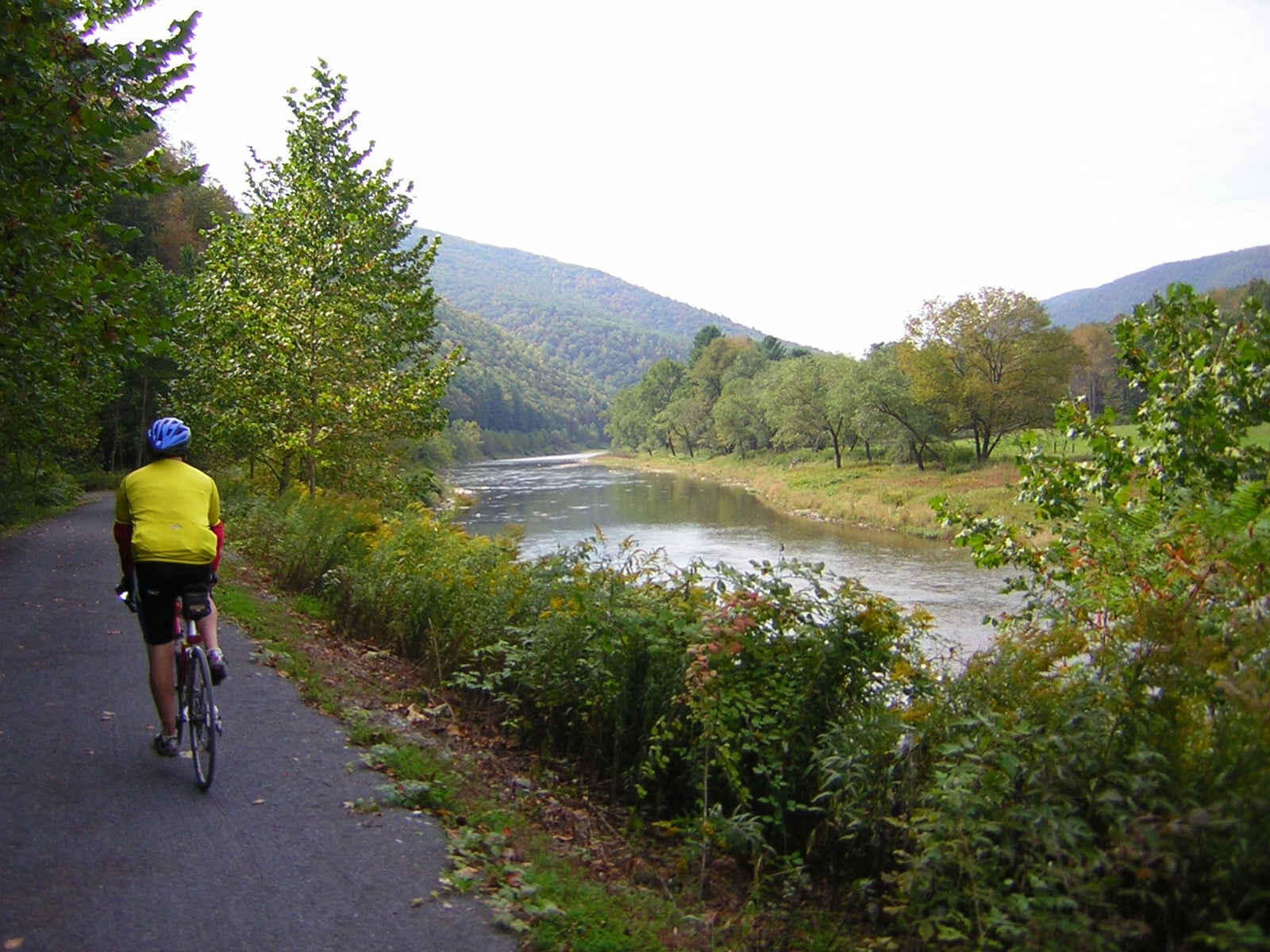
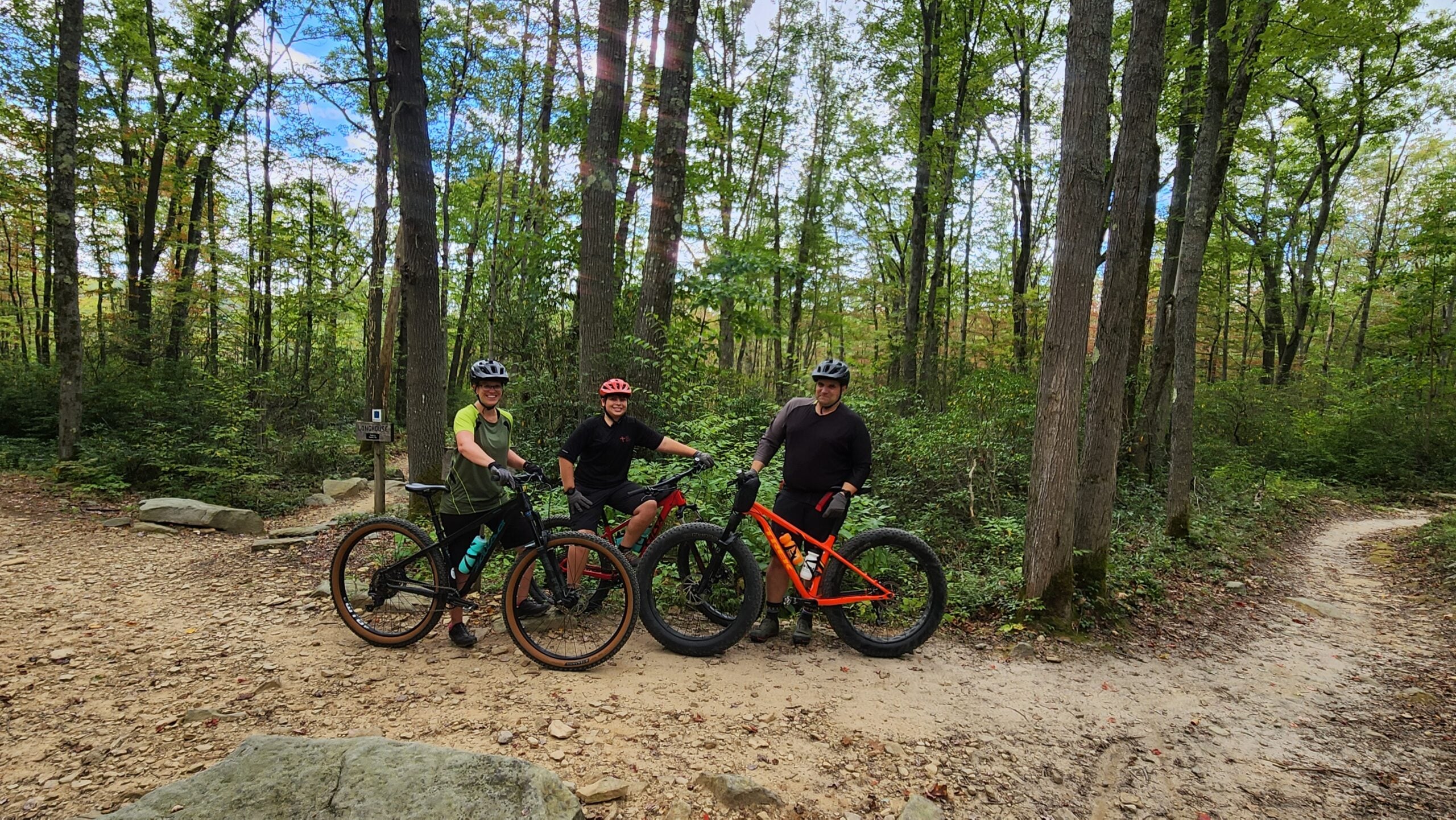
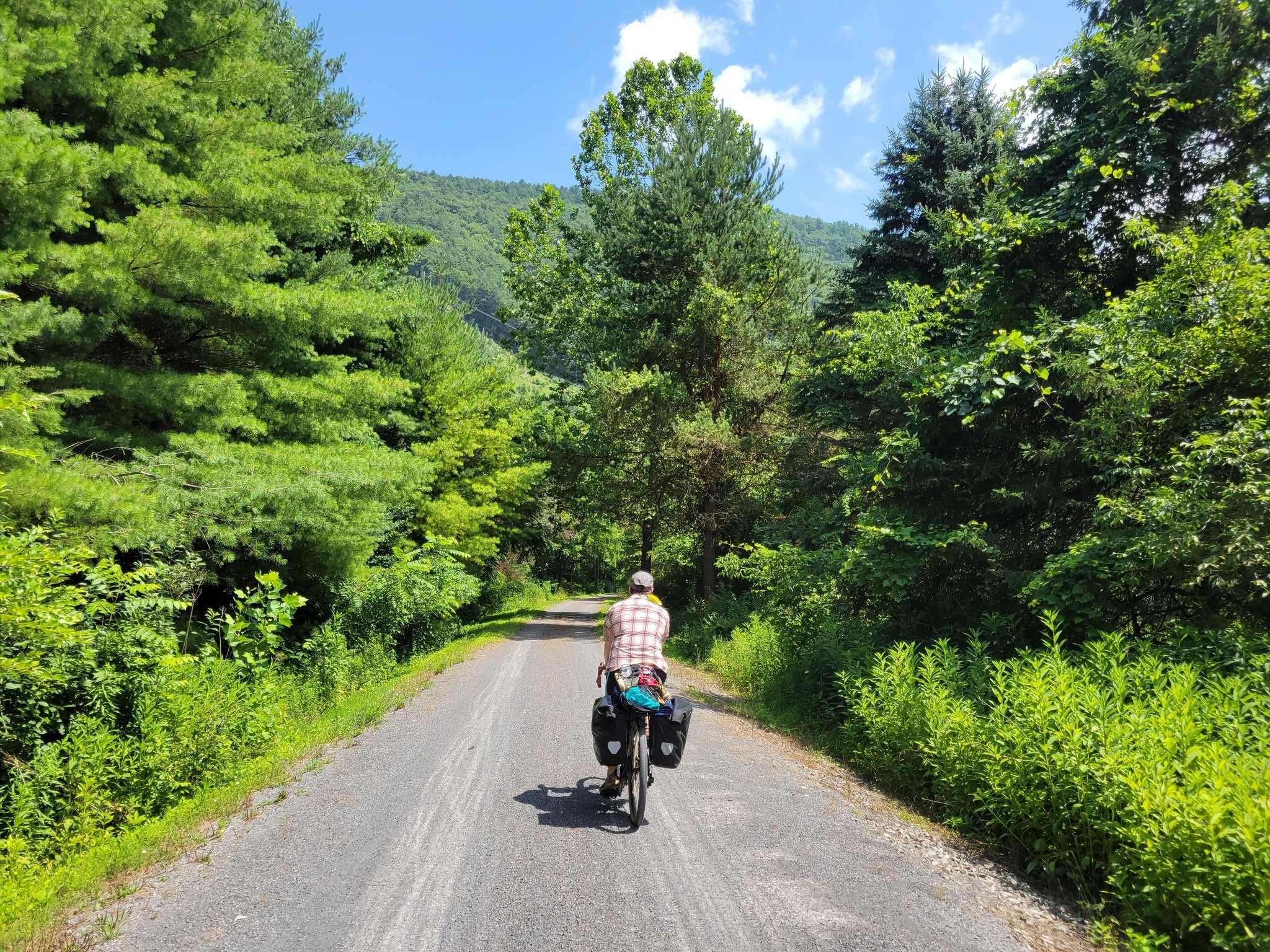
Through its #BikePA6 initiative, the Alliance promotes PA Route 6 as both BicyclePA Route Y and U.S. Bicycle Route 36, connecting riders to scenic road routes, gravel adventures, rail trails, and small-town main streets across the 11-county Heritage Corridor that is PA Route 6. The Alliance has created 6 Signature Loops covering over 400 miles, helping cyclists discover curated experiences such as Presque Isle and the Bayfront Bikeway, the Allegheny National Forest, Potter County’s Dark Skies region, the Pennsylvania Grand Canyon, Pennsylvania’s Endless Mountains, and the scenic Pocono Mountain region.
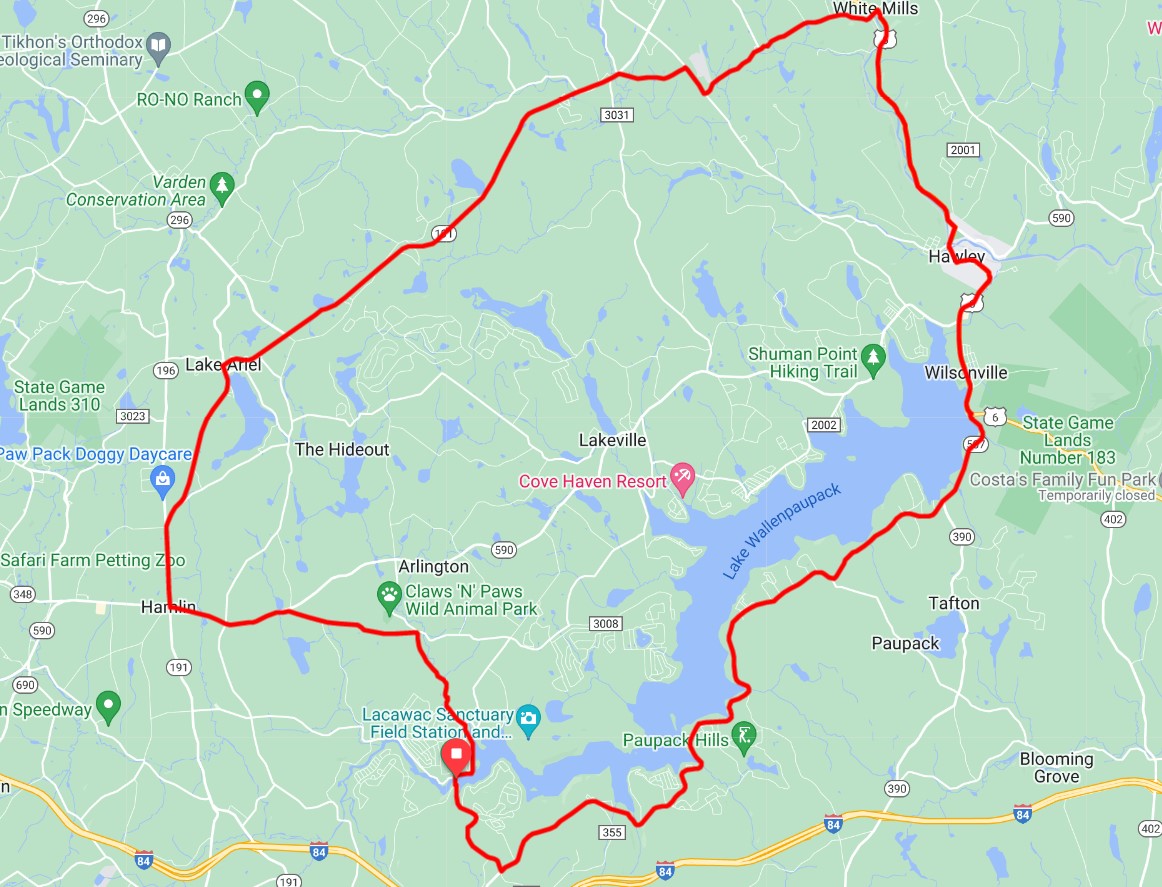
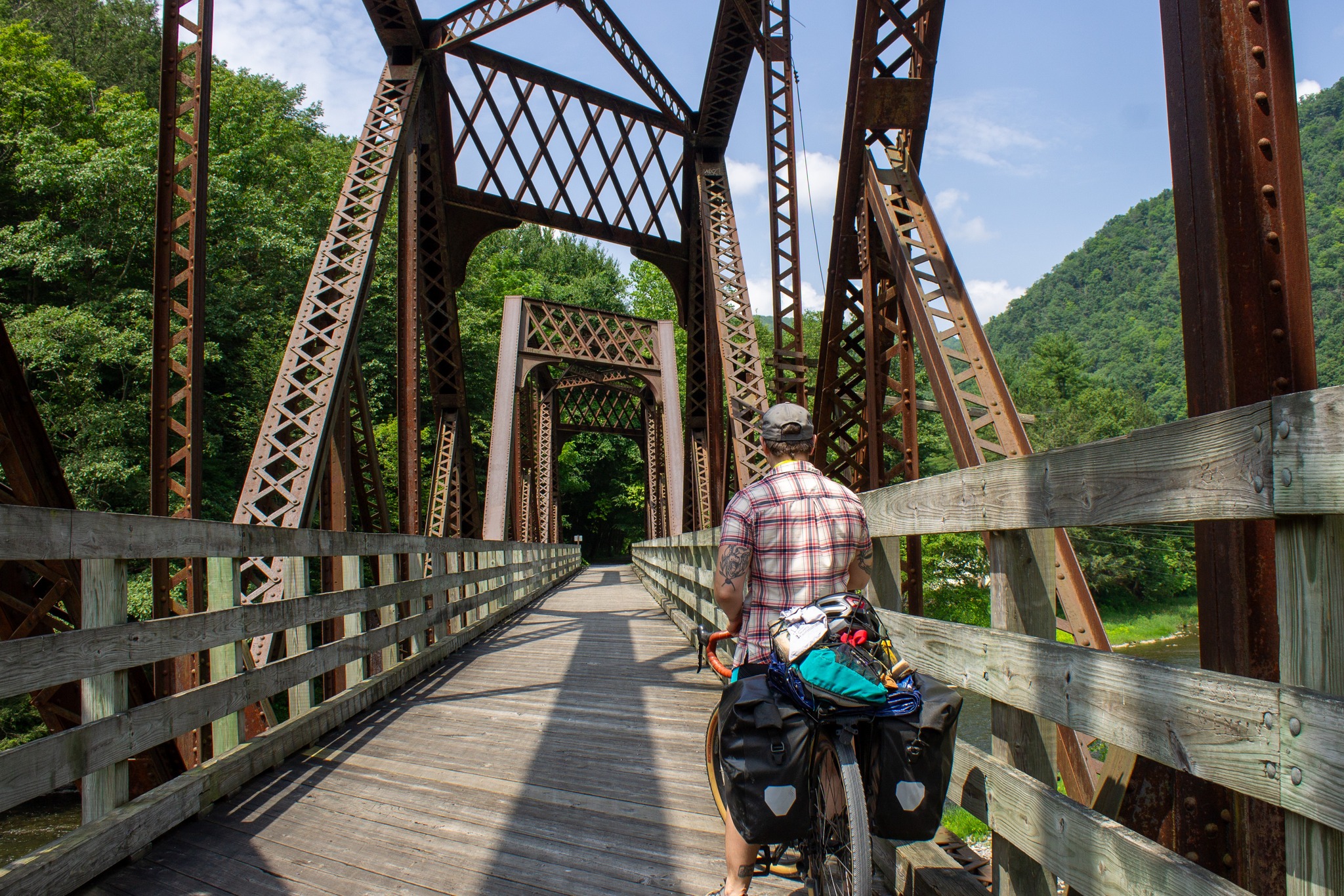
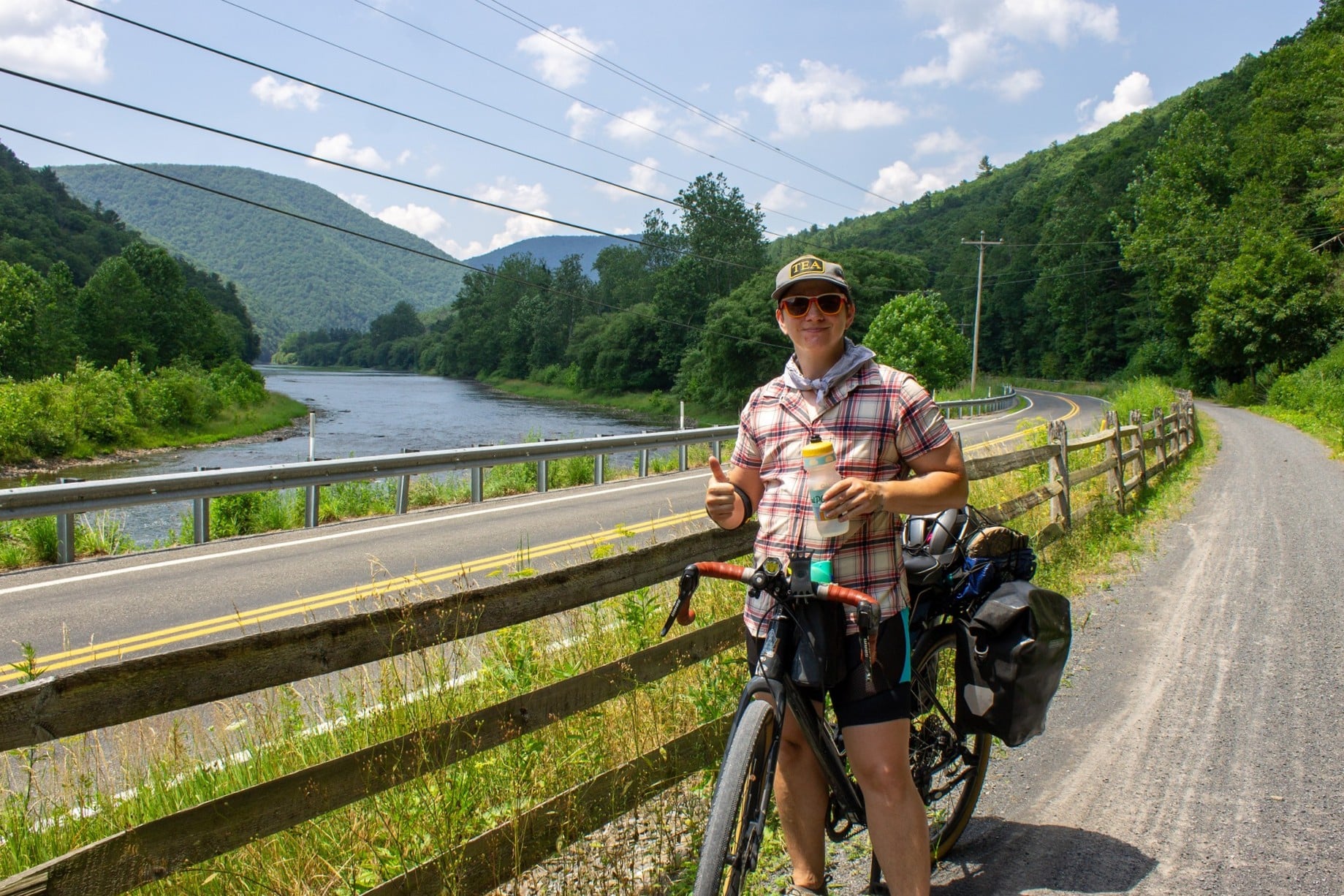
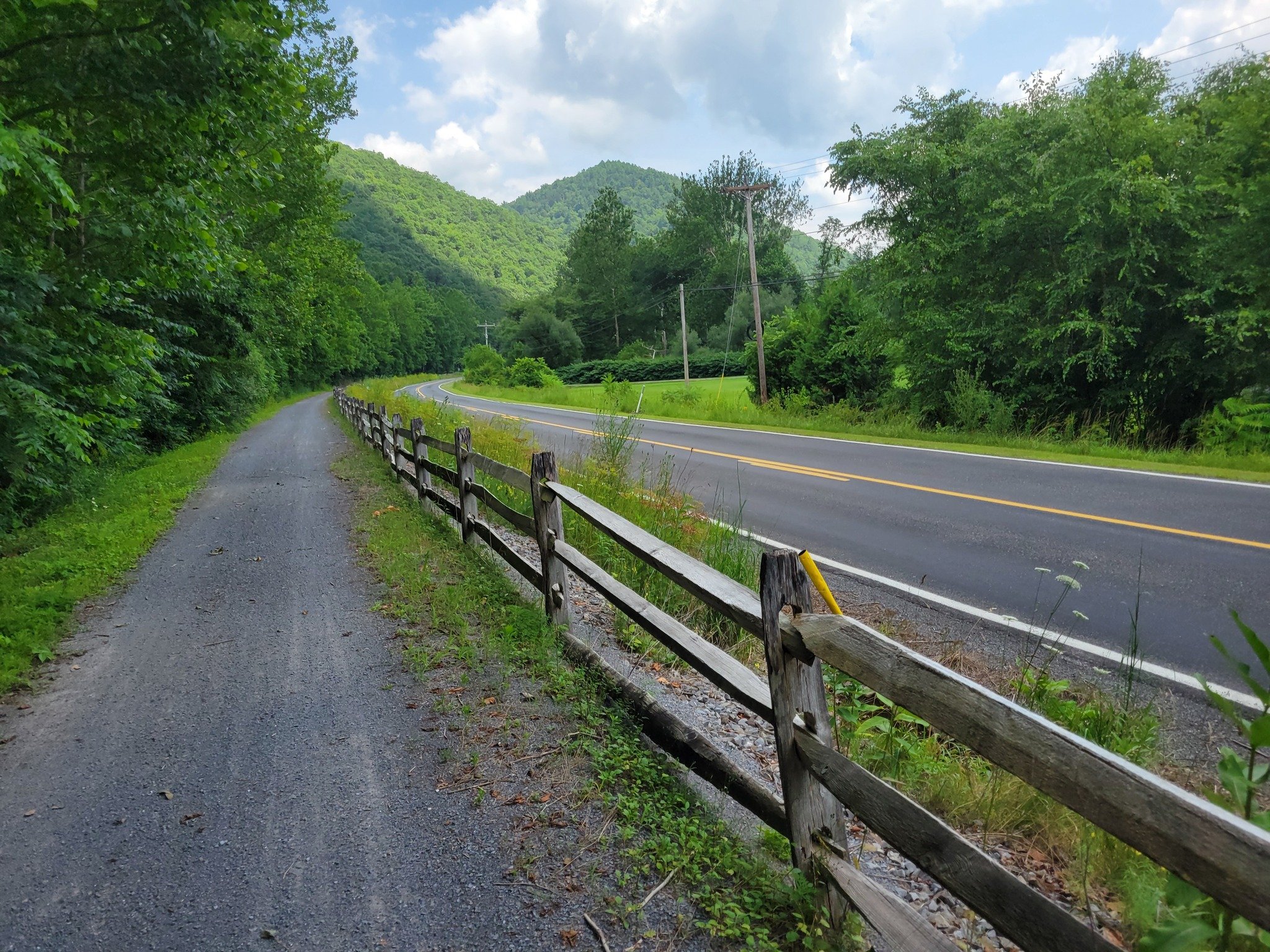
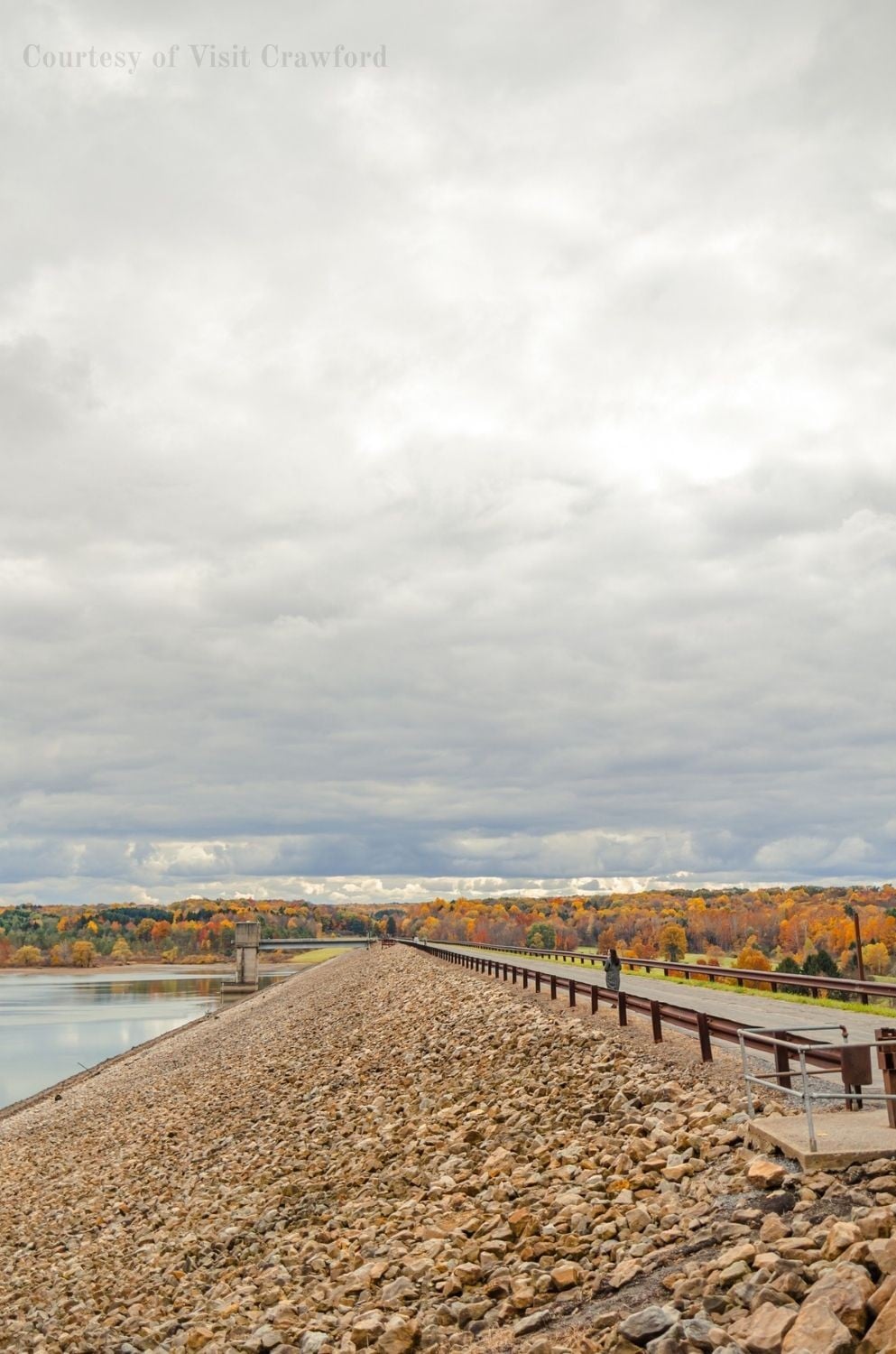
Another 20 Heritage Loops, culminating in the Trans PA Cycle Tour, encourage visitors to slow down, stay longer, and explore each of the Alliance’s Heritage Communities where cyclists can explore everything from Edinboro and Conneaut Lakes, to the rugged beauty of the Allegheny National Forest, Kinzua Bridge State Park, Austin Dam, and the Pine Creek Rail Trail through the Pennsylvania Grand Canyon. In the Endless Mountains, riders can take in sweeping views above the Susquehanna River near Tunkhannock and explore the scenic valleys and stunning overlooks around Wyalusing. Farther east in the Poconos, routes wind around Lake Wallenpaupack, through the charming streets of Hawley and Honesdale, and toward natural landmarks like Raymondskill Falls near Milford. Riders can complete these loops individually or connect them across the full 427 miles of PA Route 6, creating a true cross-state touring experience that highlights the corridor’s natural beauty, heritage attractions, and welcoming communities.
All of the PA Route 6 designed loops are mapped through Ride with GPS for the ultimate user-friendly experience.
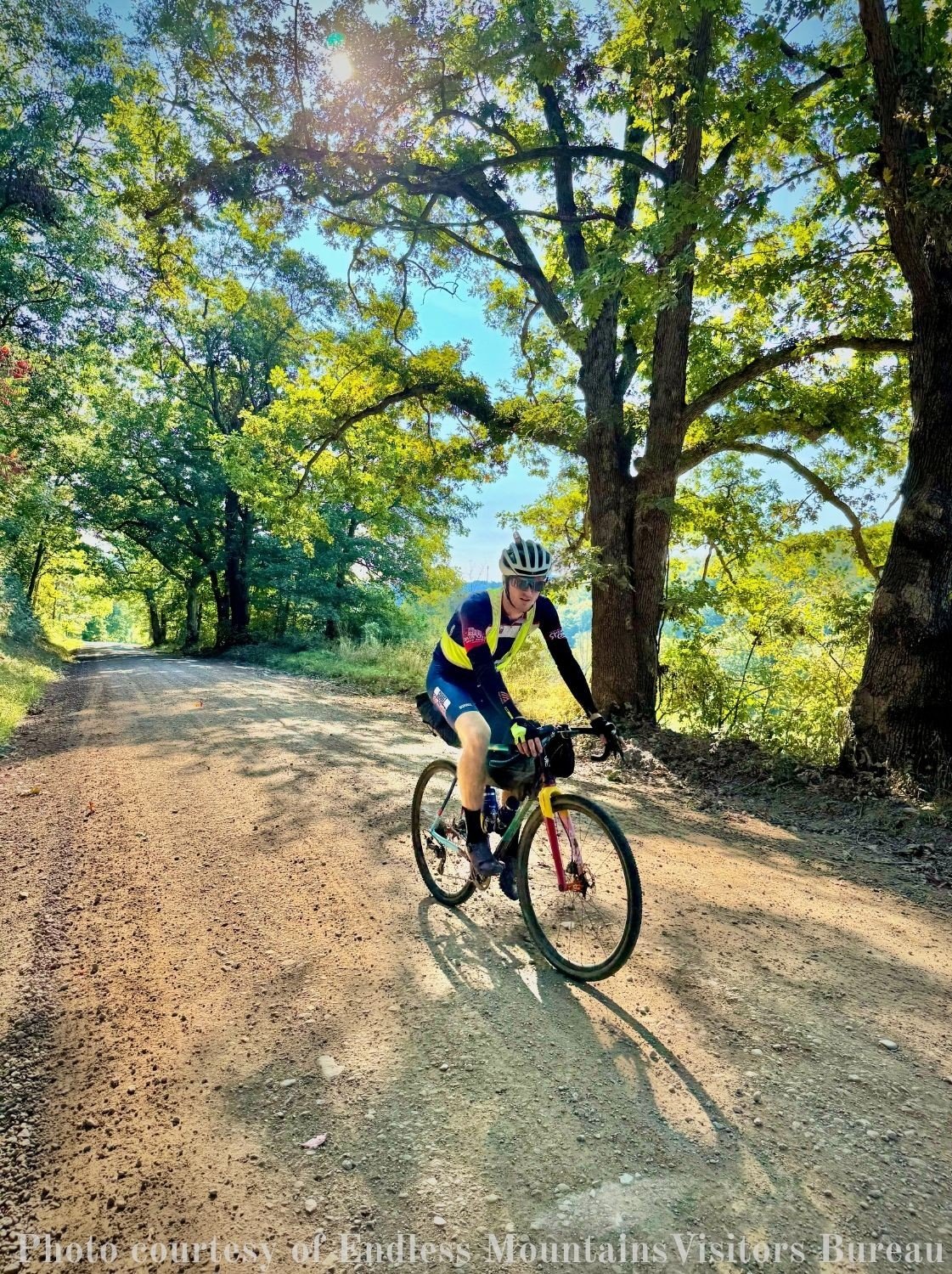
The Alliance is currently working closely with the Pennsylvania Environmental Council and consultant David Landis to further develop cycling opportunities along the PA Route 6 Corridor. Recognizing the rapid growth of gravel riding as a major tourism draw, this initiative focuses on identifying, mapping, and promoting new gravel routes that showcase the region’s extensive network of low-traffic backroads, forest roads, and remote scenic landscapes. These routes are designed to appeal to adventure cyclists seeking longer-distance rides and unique rural experiences while bringing visitors into small communities that may be off traditional tourism paths. Through route development, stakeholder collaboration, and long-term planning, the project aims to position PA Route 6 even more solidly as a premier destination for gravel cycling in Pennsylvania, expanding the corridor’s reach to a new and growing segment of outdoor travelers.
Bike Friendly Business Program:
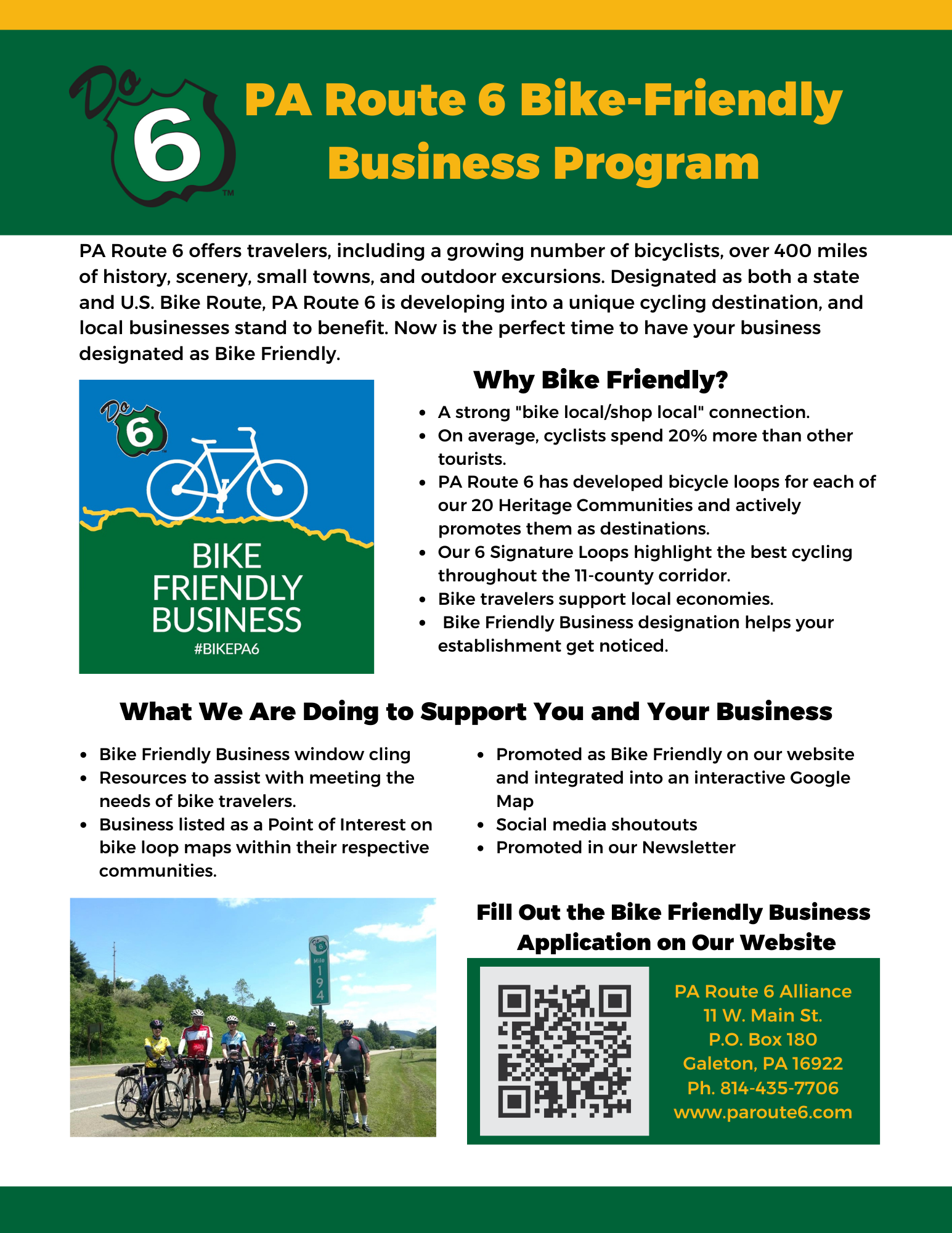
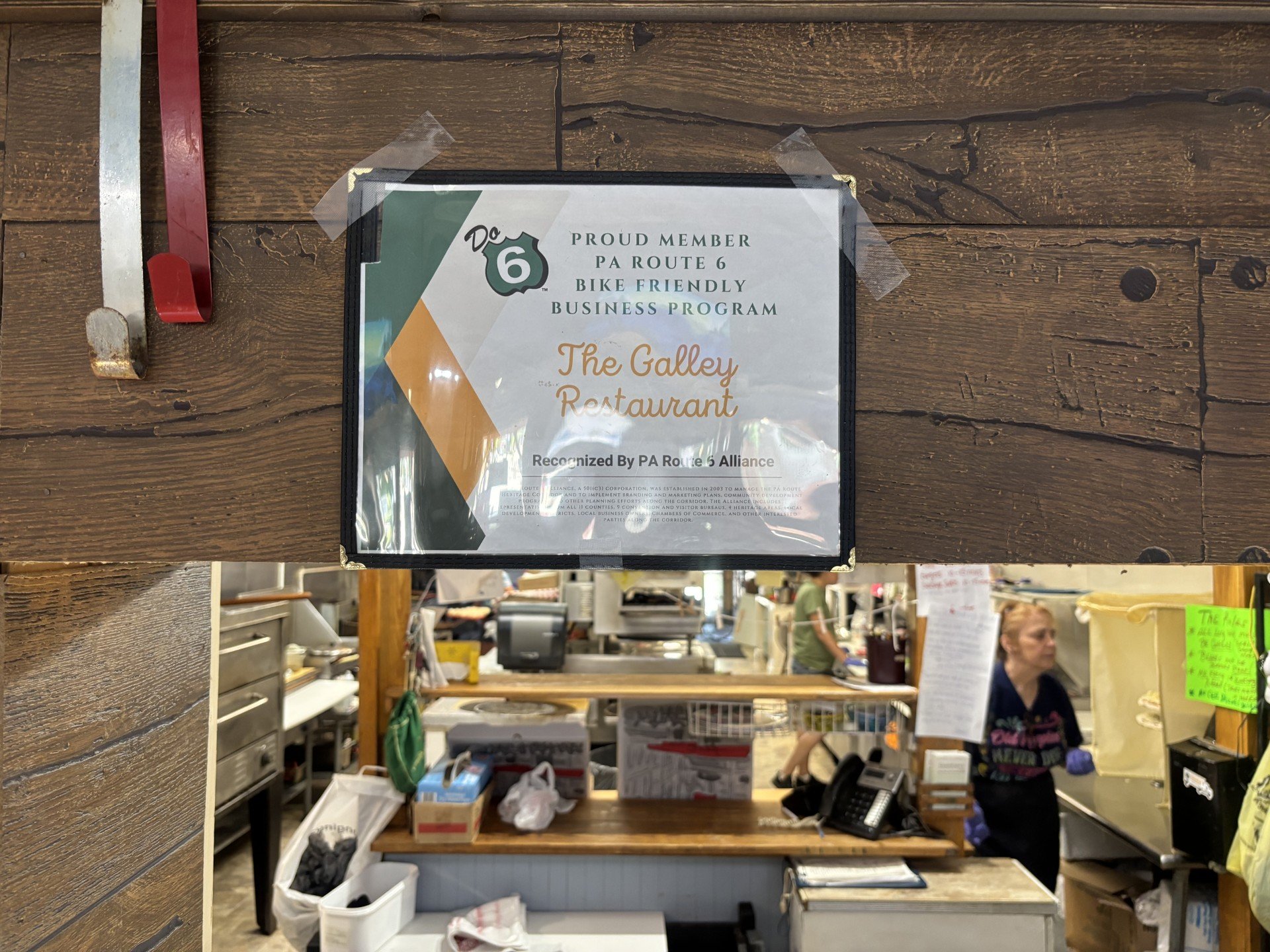

A cornerstone of this effort is the Bike Friendly Business Program, designed to help lodging properties, restaurants, bike shops, retailers, and attractions better serve bicycle travelers while increasing tourism-related spending. Participating Bike Friendly Businesses must be current members of their county’s visitor bureau and provide at least three cyclist-friendly amenities such as bike repair tools, secure bike parking, free water bottle refills, public restrooms, bike maps, Wi-Fi, charging stations, or long-term vehicle parking for multi-day trips. Once approved, businesses receive a “Bike Friendly” designation on the PA Route 6 website, inclusion as points of interest on mapped Ride with GPS loops, and promotional materials such as welcome packets and window clings. Application is a simple process and is rewarding for the business, cyclist, and community economy.
Cycling Infrastructure:
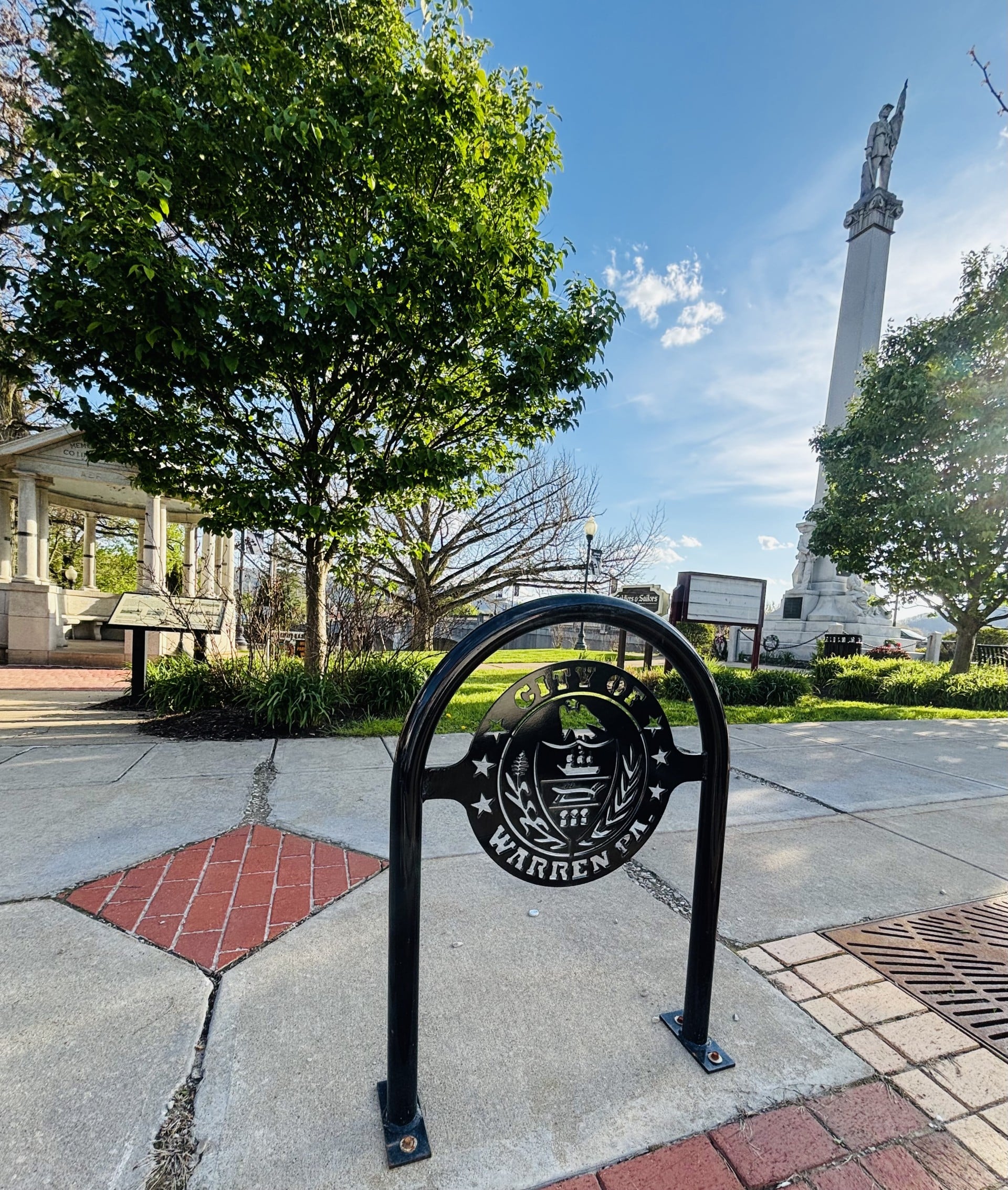
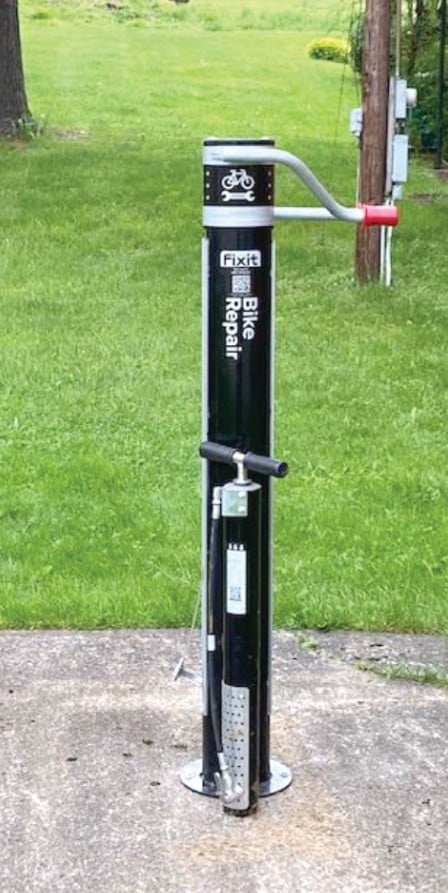
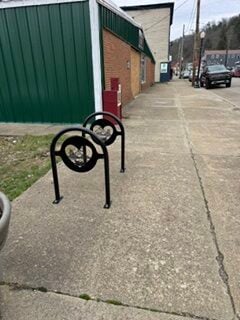
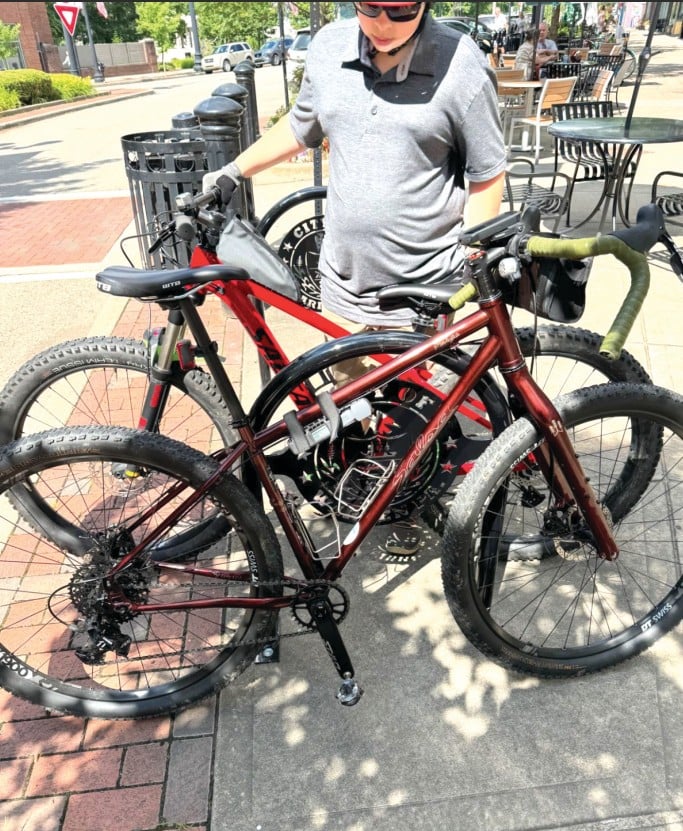
The PA Route 6 Alliance is also advancing on-the-ground cycling infrastructure through a regional bike rack and repair station initiative. This project focuses on installing branded bicycle racks and public repair stations in communities across Warren, McKean, Potter, and Tioga Counties, helping create a more welcoming and practical experience for touring cyclists traveling the corridor. These highly visible amenities not only provide riders with secure parking and basic maintenance access but also reinforce community identity through consistent PA Route 6 branding. The first phase of the project is nearing completion, with installations wrapping up in the aforementioned counties and with plans to expand the effort into Erie, Bradford, and Wyoming Counties in Phase 2, continuing with consultant Andy Georgakis. By investing in these meaningful improvements, the Alliance continues to strengthen the region’s reputation as a bicycle-friendly destination and encourages visitors to stop, explore, and support local businesses.
Education, Planning, & Workshops:
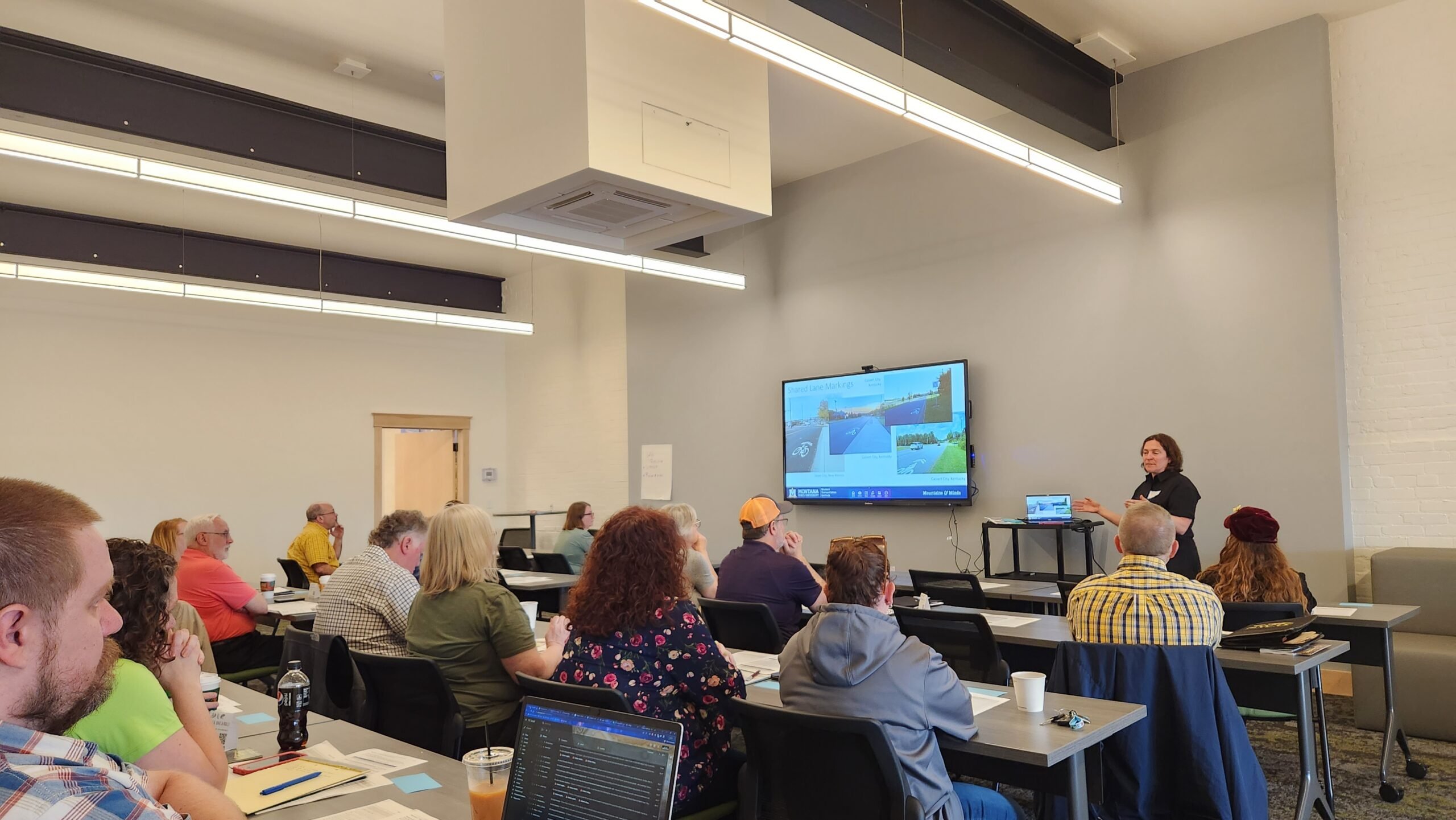
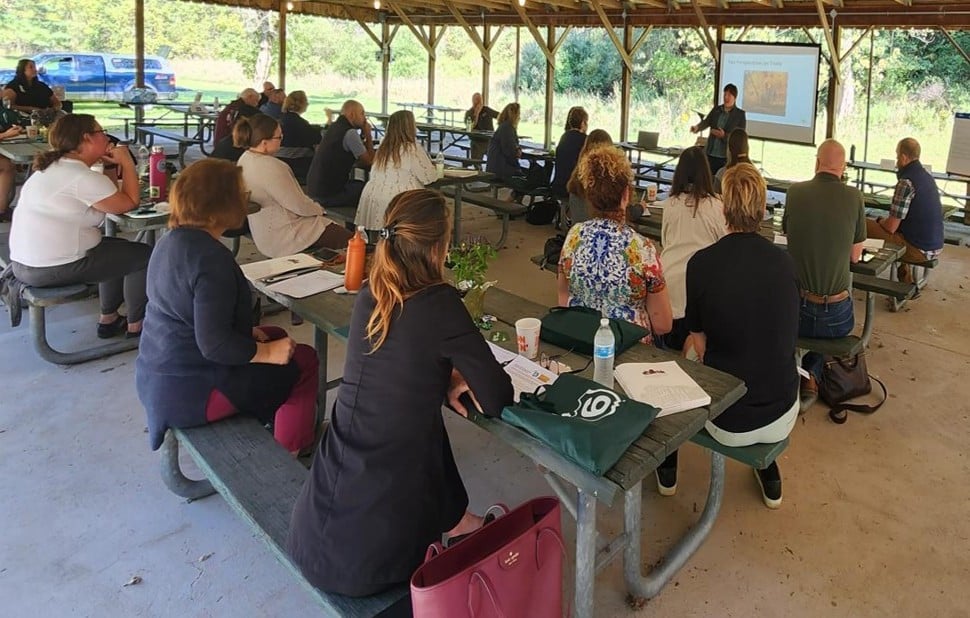
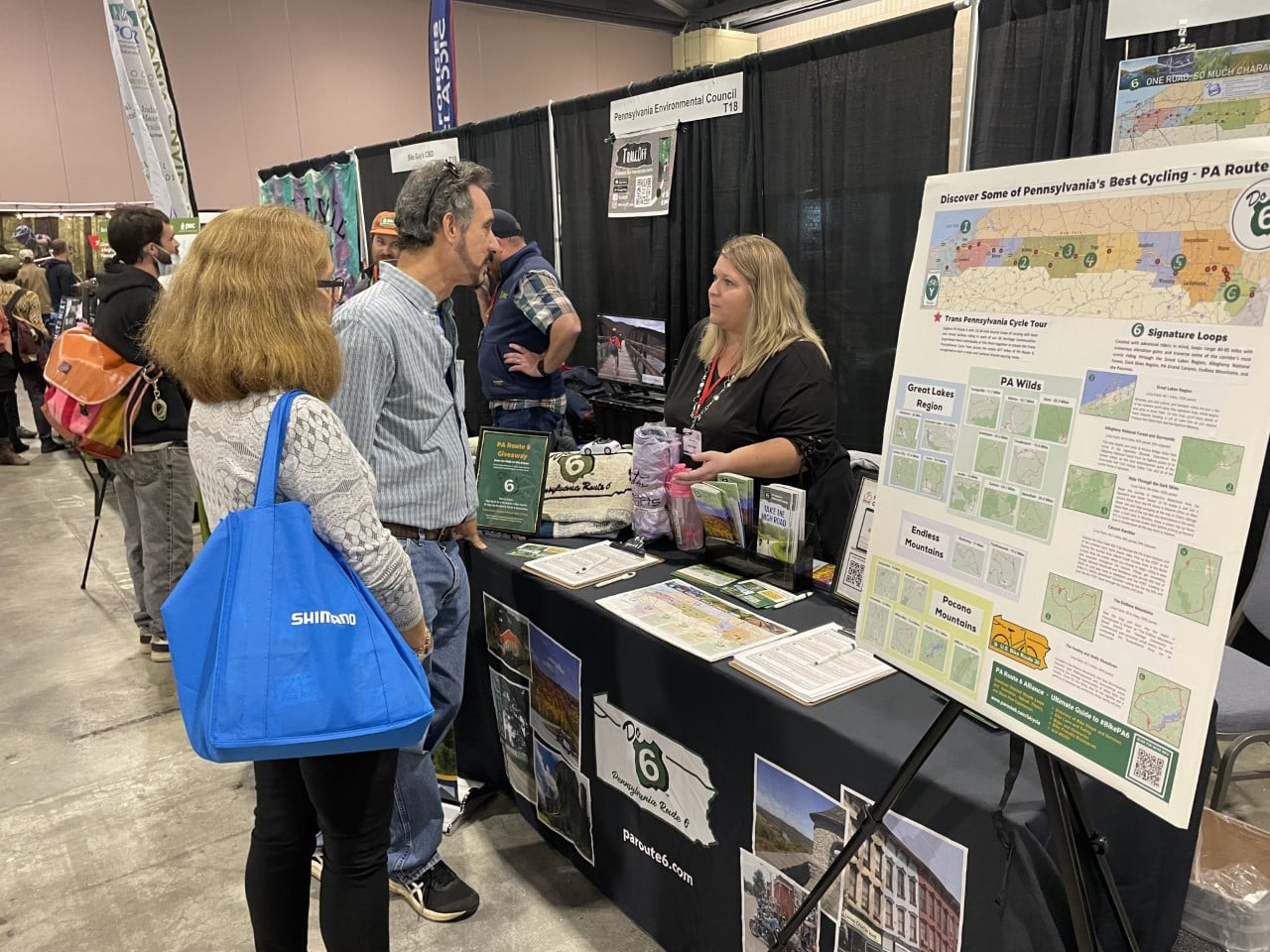
Beyond infrastructure, the Route 6 Alliance has consistently emphasized education and planning. Workshops focused on capturing bicycle tourism have consistently helped communities and business owners understand how cycling can drive economic development, especially in rural heritage towns where travelers often spend more time and money than traditional drive-through visitors. The organization has also participated in statewide efforts such as gravel cycling summits with the Pennsylvania Environmental Council to explore the growing potential of gravel riding tourism along the corridor.
Shifting into Gear
By integrating cycling into broader planning efforts, alongside heritage conservation, downtown revitalization, and tourism development, the PA Route 6 Alliance ensures that bicycling is not treated as a standalone recreation activity, but as a long-term strategy for community vitality, sustainable tourism, and regional economic growth.
The Ultimate Guide to #BikePA6 gives locals, tourists, businesses, and communities necessary tools to stop watching life go by, take the bike by the handlebars, and get the most out of life.
Helpful Links:
Bike Friendly Business Program



Get Social
