Queen Esther and the Battle for Wyoming: Revolutionary War Violence on the Route 6 Corridor
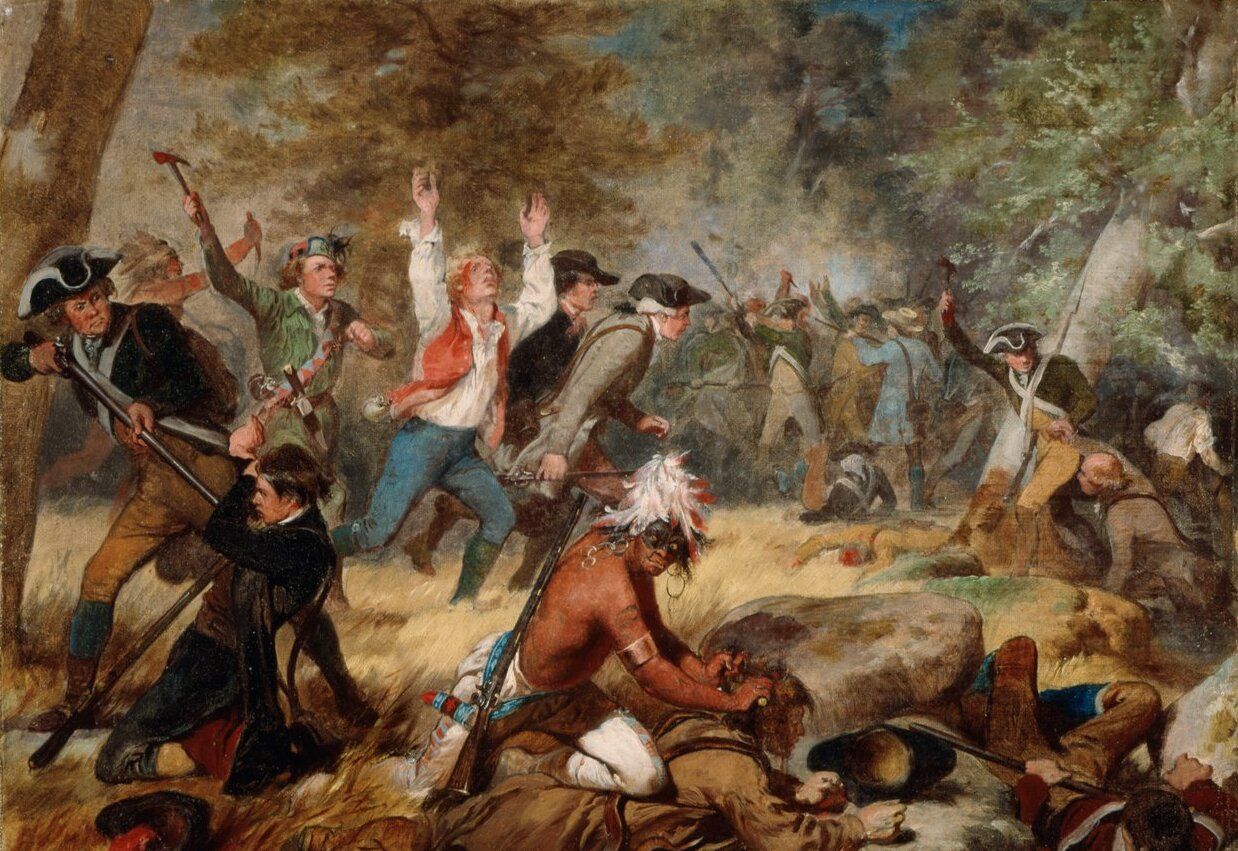
On a quiet summer afternoon, it is hard to picture the farmland along the Susquehanna and Chemung rivers as the site of one of the bloodiest single days of the American Revolution. But in July 1778, the valley near present day Wilkes-Barre and Athens exploded into a battle so brutal it earned its own name apart from the war around it, the Wyoming Massacre. Three intertwined stories, a Native leader caught between two cultures, a doomed frontier militia, and a rebel who tried to carve a fourteenth state out of the wilderness, still echo along the Route 6 corridor today.
A Valley Two Colonies Both Claimed
Long before the first shots of the Revolution, the Wyoming Valley was already a battlefield. Connecticut's 1662 royal charter claimed a strip of land running clear across Pennsylvania, and by the 1750s, Connecticut's Susquehanna Company was selling settlers on farmland it did not legally own. Pennsylvania disagreed, and the resulting skirmishes became known as the Pennamite Wars, a name that stuck to Pennsylvania's settlers, the "Pennamites." Connecticut went so far as to organize the region as its own Westmoreland County, and by 1774 roughly seventeen Yankee settlements dotted the valley. When the Revolution began, the two sides called an uneasy truce to face a common enemy, but the underlying land dispute never went away, and it left the valley bitterly divided exactly when unity mattered most.
Queen Esther Montour, the "Queen" of Tioga Point
A Leader Colonists Couldn't Explain
Esther Montour led a village of about seventy longhouses at Teaoga, the meeting point of the Chemung and Susquehanna rivers near present day Athens. Her grandmother was a French woman taken captive by the Seneca as a girl, and Esther's mixed heritage showed in her appearance and bearing. Contemporaries described her as tall and commanding, dressed richly in imported blue cloth and silver ornaments, a striking figure in a region where few women, Native or colonial, held open authority. Iroquois society was matrilineal, but leadership in war and diplomacy was still typically a man's role. A woman clearly in charge was such an unfamiliar sight to colonial settlers that they assumed she had to be visiting royalty, so they called her a queen and, by extension, called her log home a castle.
Vengeance at the Bloody Rock
Esther's reputation among settlers rests almost entirely on the days following the Battle of Wyoming. After her son was killed in a dispute with a colonist, she is said to have gathered more than a dozen captured militiamen around a large rock and killed them herself. The site, still marked today as Queen Esther's Rock, sometimes called the Bloody Rock, became the foundation of her lasting reputation as the "Butcher of Wyoming."
A Story Still Being Told
It is worth pausing on how little of this comes from Esther herself. Native oral traditions were rarely written down in the 18th century, so almost everything we know about her comes from settlers, soldiers, and missionaries who had every reason to see her as a villain. Other neighbors described her as kind and generous in peacetime. Both things may well be true. Historians still debate how much of the Bloody Rock story is documented fact and how much grew in the retelling, a useful reminder that any single account of the frontier reflects the culture and grief of whoever wrote it down.
The Battle of Wyoming, July 3, 1778
In late June 1778, Major John Butler led roughly 700 British Rangers, Loyalists, and Iroquois warriors into the valley. Colonial defenders, mostly farmers, older men, and boys who had gathered at Forty Fort, chose to march out and meet the invaders in open ground rather than wait for a siege. Colonel Zebulon Butler led about 400 militiamen into position on the afternoon of July 3. According to the Pennsylvania Historical and Museum Commission's account of the battle, the poorly trained defenders were outflanked within about thirty minutes, and their retreat to the fort was cut off. The fighting that followed was less a battle than a rout. Survivors who tried to swim the Susquehanna were killed in the water, and by the next morning the Iroquois were reported to have taken 227 scalps. Only about sixty of the roughly 400 militiamen who marched out that afternoon survived. Word of the massacre spread panic across the northern frontier and helped prompt General Washington to send General John Sullivan on a punitive campaign against Iroquois settlements the following year.
An Oath on a Bloody Rifle: John Franklin's Forty Year Fight
The Hero of Wyoming
John Franklin, a Connecticut native who had settled in the valley before the war, fought at Wyoming and later joined Sullivan's retaliatory expedition, where he suffered a severe shoulder wound at the Battle of Chemung near present day Elmira. Franklin's wartime service, combined with his fierce advocacy for Connecticut land claims, earned him the nickname "the hero of Wyoming." According to local legend, after one Pennamite War skirmish he stood over the body of a slain friend, bloody rifle in hand, and swore he would not lay down his arms until Connecticut settlers received their due.
A Fourteenth State
After the Revolution, a federal panel ruled in the 1782 Decree of Trenton that the valley legally belonged to Pennsylvania. Franklin refused to accept it. He led Yankee resistance in what became known as the second Pennamite War, and when negotiation failed, he proposed something more radical: an entirely new state, independent of both Connecticut and Pennsylvania. Pennsylvania authorities arrested him for treason. As detailed on the Colonel John Franklin historical marker, his supporters retaliated by kidnapping Timothy Pickering, the Commonwealth's local representative, and holding him for nineteen days until they secured a promise that he would petition on the Yankees' behalf.
Outlasting a Gerrymander
Franklin eventually made peace with Pennsylvania rule and spent the 1790s and early 1800s in public office, serving as Sheriff of Luzerne County and later as a state representative. When the legislature tried to redraw district lines specifically to move Franklin's farm out of his own district, the voters of his new district simply elected him anyway the following year.
A Quiet, Sad End
Franklin's later years were harder. Contemporaries described him as consumed by fear of enemies that no longer existed, and he died in poverty, cared for by neighbors who remembered the man who had once held a bloody rifle over a friend's body and refused to back down.
Finding This History Along Route 6 Today
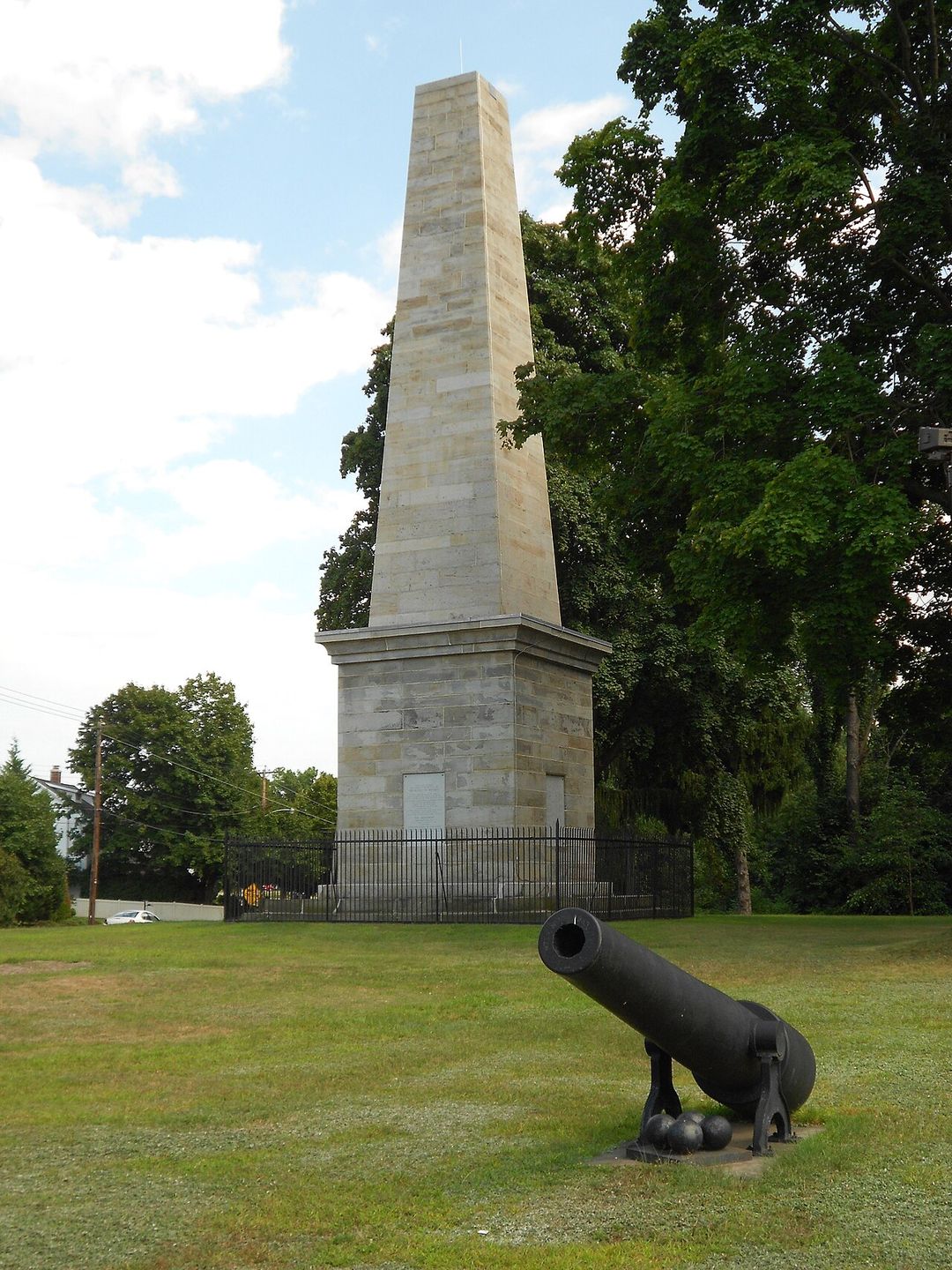
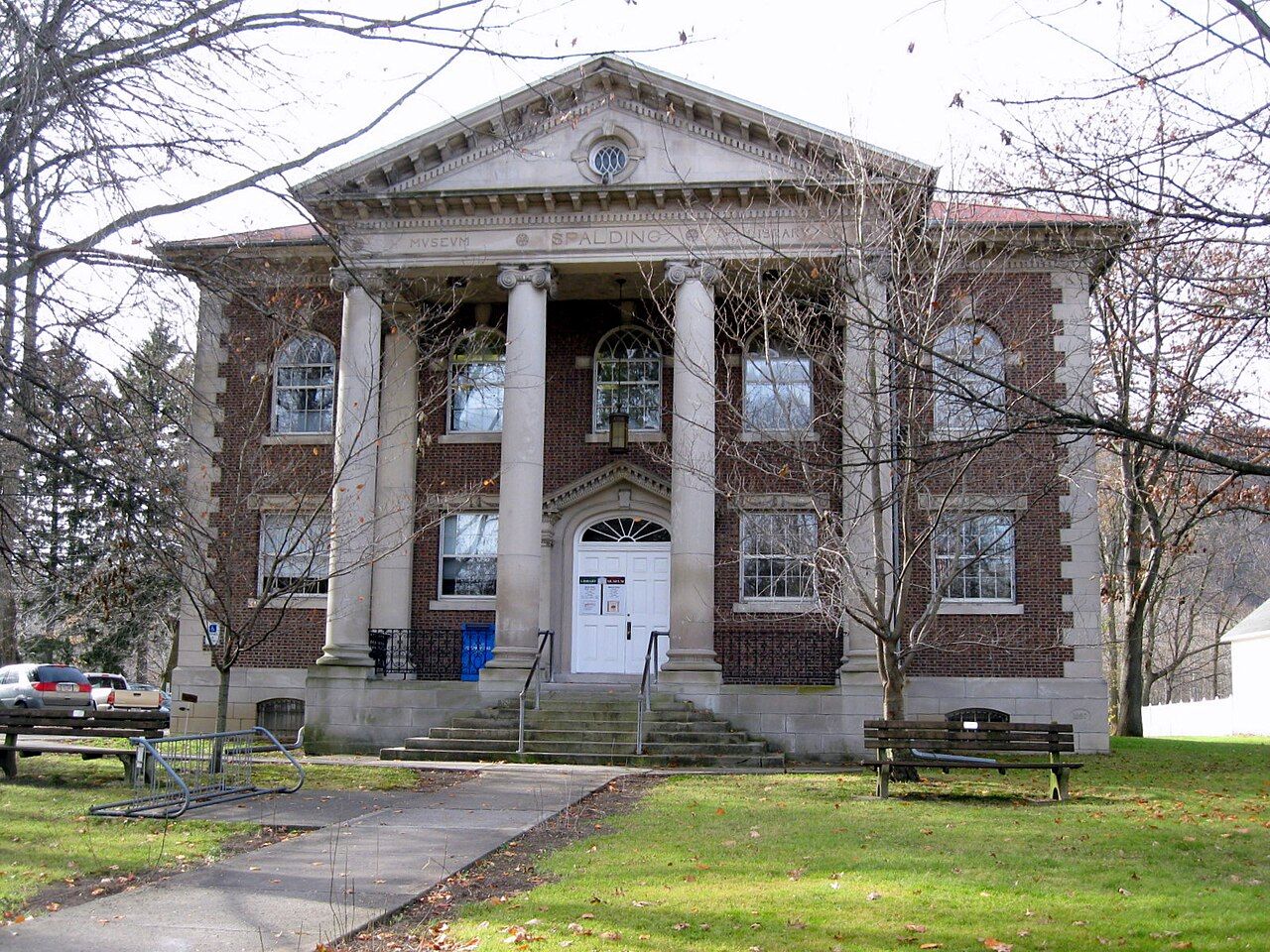
Much of this history is still visible for travelers willing to look. The Tioga Point Museum in Athens interprets the story of Teaoga and Queen Esther's village, just a few miles from where it once stood. A Pennsylvania historical marker for Colonel John Franklin sits along SR 1043 southeast of Athens, near the cemetery where he is believed to be buried. The Wyoming Monument and the site of Forty Fort, a short drive south of the corridor near Wilkes-Barre, mark the battle itself and the mass grave of its victims.
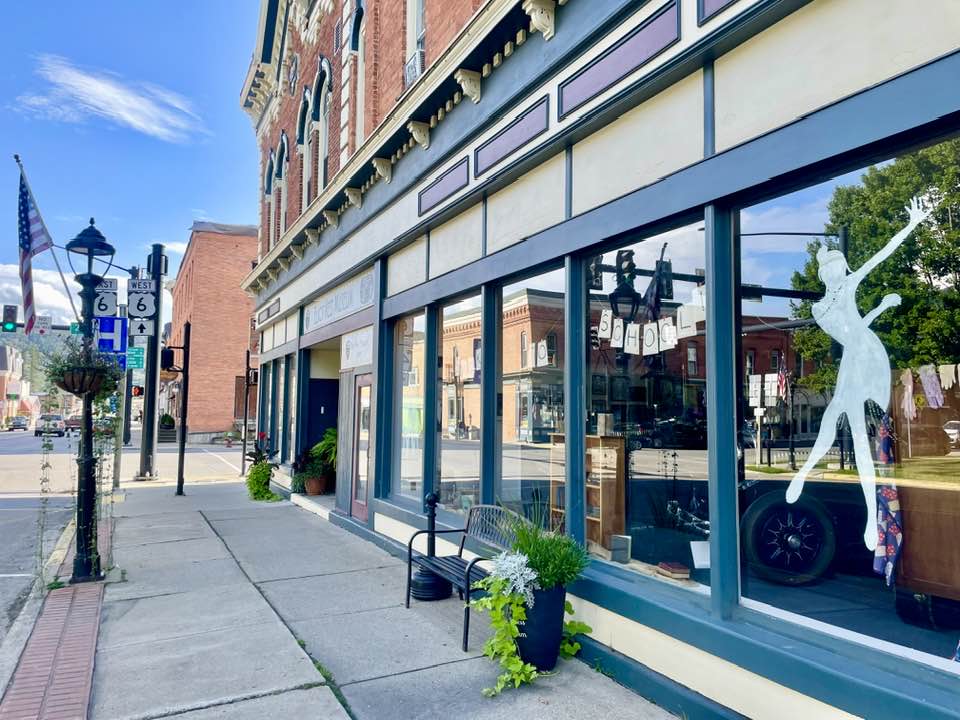
For help planning a visit to this corner of the corridor, including hours for the Bradford County Historical Society, see paroute6.com's Bradford County guide.
Frequently Asked Questions
Who was Queen Esther in Pennsylvania history?
Queen Esther Montour was a Native American leader of French and Seneca descent who led a village near present day Athens, Pennsylvania. She is best remembered, and most disputed, for her alleged role in killing captured militiamen after the Battle of Wyoming in 1778.
What caused the Battle of Wyoming?
The battle grew out of decades of land disputes between Connecticut and Pennsylvania settlers known as the Pennamite Wars. During the Revolution, the Wyoming Valley's Connecticut settlers became a target for British-allied Loyalists and Iroquois warriors seeking to reclaim the region.
Is the Wyoming Massacre the same event as the Battle of Wyoming?
Yes. The Battle of Wyoming refers to the fighting on July 3, 1778, while the Wyoming Massacre describes the killing of captured and fleeing militiamen that followed. The two terms are often used interchangeably.
Can you visit the site of the Battle of Wyoming today?
Yes. The Wyoming Monument and the site of Forty Fort are located near Wilkes-Barre, a short drive south of the Route 6 corridor, and the Tioga Point Museum in Athens interprets the related history of Queen Esther's village.
What happened to John Franklin after the Pennamite Wars?
Franklin eventually accepted Pennsylvania's authority and served in public office, including as Sheriff of Luzerne County. He suffered declining mental health in his final years and died in poverty.
Read More
More Posts from PA Route 6
2026 PA Route 6 Educational Workshop, Annual Meeting, & Do 6 Awards
2026 PA Route 6 Educational Workshop, Annual Meeting, & Do 6 Awards brought us together in Couderspo…
Learn More about 2026 PA Route 6 Educational Workshop, Annual Meeting, & Do 6 Awards

Skip the Interstates: Turn your World Cup Trip into an All-American Road Trip on PA Route 6
Skip the InterstatesTurn your World Cup Trip into an All-American Road Trip on PA Route 6Millions of…

PA Route 6 Wins National “Byways Madness 2025” Competition
The PA Route 6 Alliance is thrilled to announce that Pennsylvania Route 6 has been crowned the natio…
Learn More about PA Route 6 Wins National “Byways Madness 2025” Competition

PA Route 6 Takes the Crown in Ultimate Road Trip Playlist Challenge
Out here on PA Route 6, we’re used to taking the scenic route.
Learn More about PA Route 6 Takes the Crown in Ultimate Road Trip Playlist Challenge

New 2026 PA Route 6 Artisan Trail Map Celebrates “Makers and Landscape: Art Rooted in PA Route 6”
The PA Route 6 Alliance is proud to announce the release of the 2026 PA Route 6 Artisan Trail Map, u…

Vehicle Maintenance Before You Go
Benjamin Franklin once said, “An ounce of prevention is worth a pound of cure, and that’s certainly …
Get Social
