Black Gold and King Coal: How Oil, Coal, and Iron Built Northern Pennsylvania
Three raw materials turned the quiet farm country of northern Pennsylvania into an industrial powerhouse: oil, anthracite coal, and the iron it could smelt. Each began with a single discovery, by a dentist, a hunter, and a farmer's sons, and each transformed entire counties within a generation.
Rock Oil, Snake Medicine
Long before anyone drilled for it, oil seeped naturally to the surface in northwestern Pennsylvania. A French missionary recorded an oil spring near Cuba, New York, just north of McKean County, as early as 1627, calling it "La Fontaine de Bitume." By the early 1800s, "Seneca Oil" was being skimmed from surface seeps and sold as a cure-all liniment, and Samuel Kier, a Pittsburgh-area salt producer who kept finding the smelly stuff contaminating his brine wells, bottled and sold it as medicine before a Philadelphia chemist suggested it might work even better as fuel if it were distilled. Kier is generally credited as the first person to refine oil, though at the time almost no one imagined the industry it would become.
Drilling for "Black Gold": Edwin Drake's Well
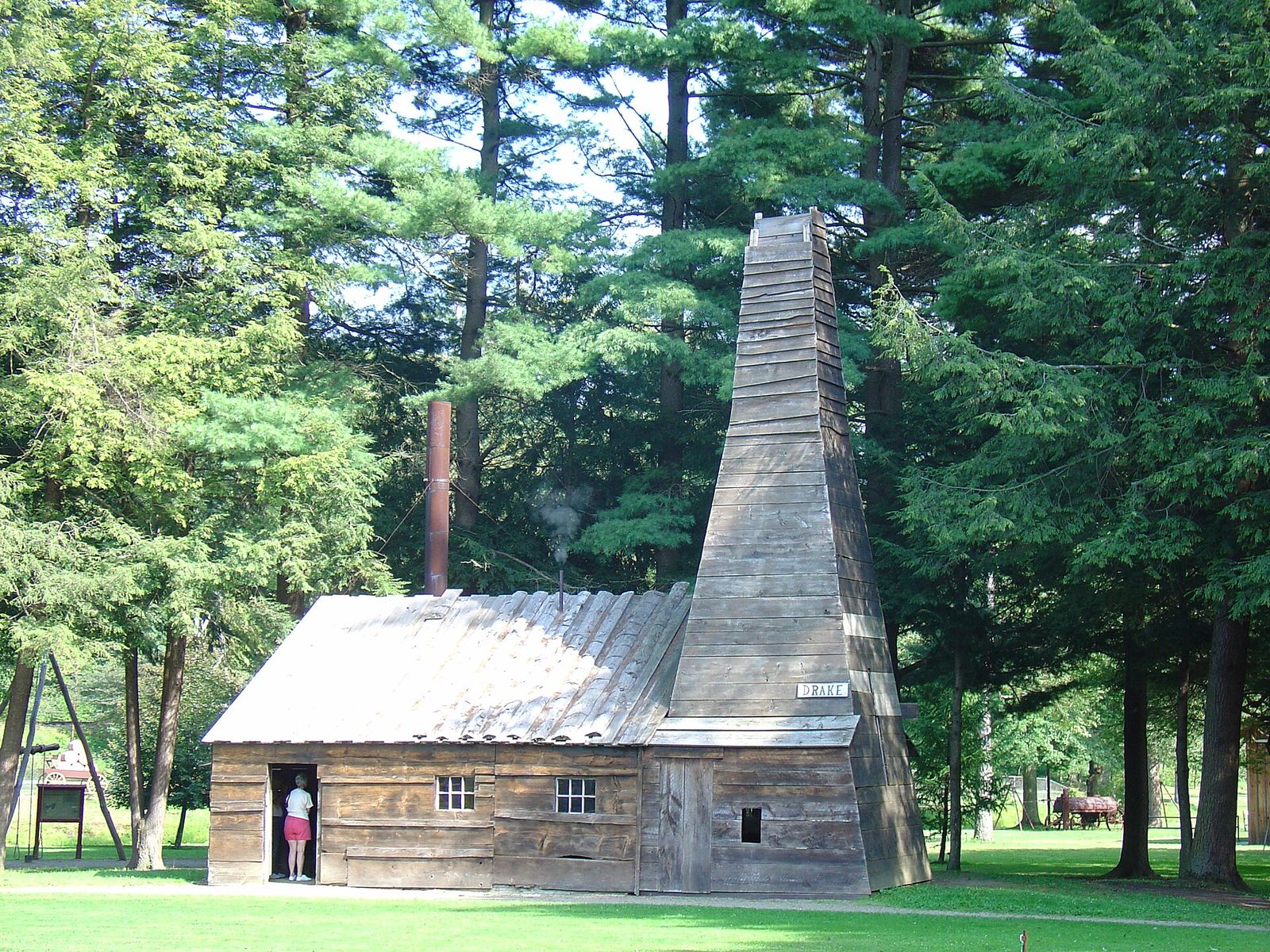
George Bissell, who founded the Pennsylvania Rock-Oil Company in 1854, is said to have noticed an illustration of an artesian well on one of Kier's medicine bottles and realized that drilling, not just skimming surface seeps, was the way to get oil in real quantity. He sent Edwin Drake, a company stockholder with no drilling experience, to Titusville to try it. According to the Drake Well Museum, administered by the Pennsylvania Historical and Museum Commission, Drake and driller William "Uncle Billy" Smith struck oil on August 27, 1859, launching the modern petroleum industry from a well just 69 feet deep. Within a year, prospectors were pouring into the region in what became known as the oil rush.
The World's First Billion-Dollar Oil Field
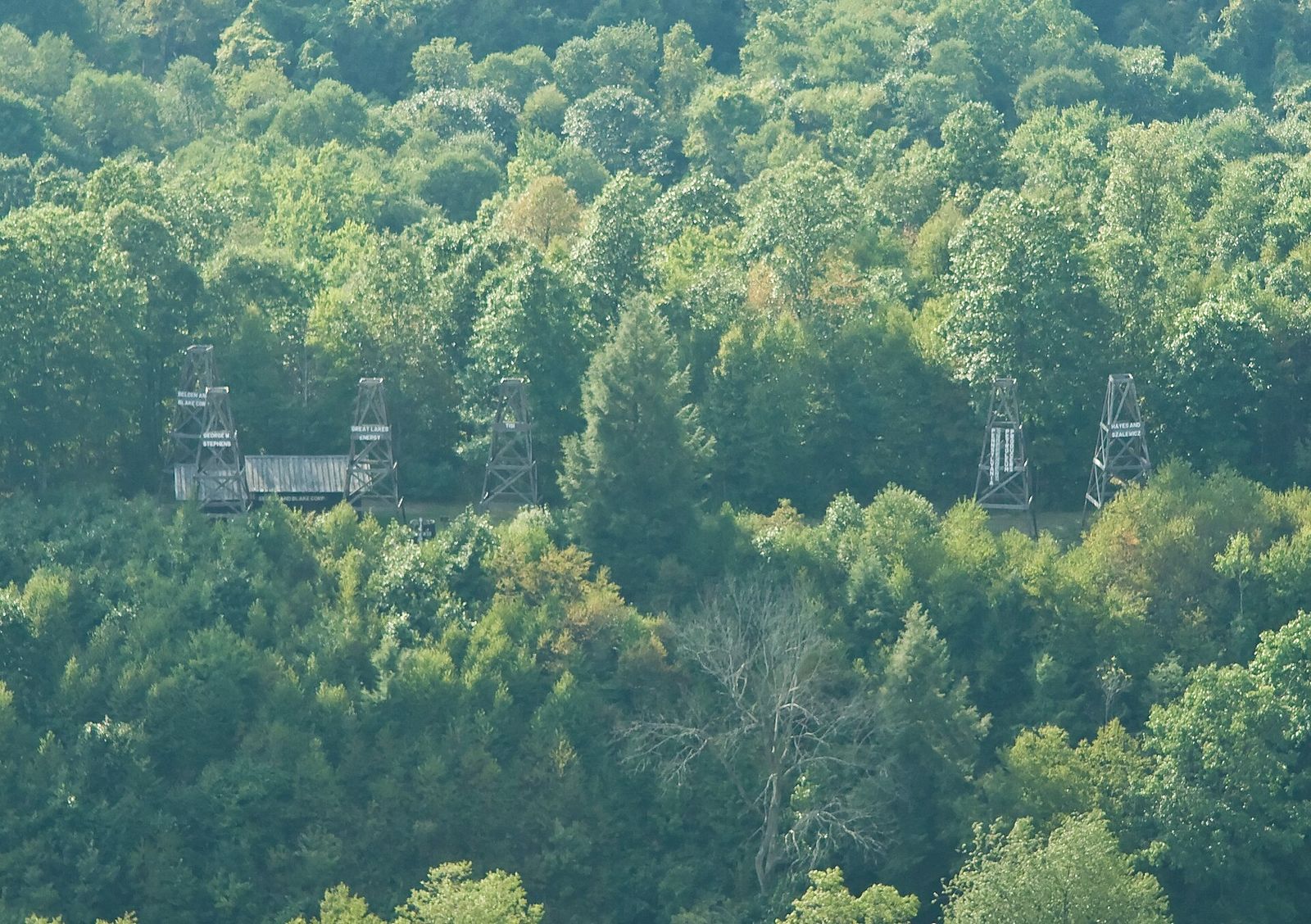
The boom reached its peak in the Bradford Oil District, where by 1880 some 4,000 wells were pulling 50,000 barrels a day out of the ground, and land that had sold for six to ten dollars an acre jumped to five hundred or a thousand dollars within months. Chronicler Ida Tarbell, who grew up in the oil region and later wrote the definitive history of Standard Oil, described the transformation of the area into one of the busiest corners of the globe within just twelve years. The Penn-Brad Oil Museum in Bradford notes that by 1881 this single field, sitting directly on the Route 6 corridor, was producing 83 percent of all the oil pumped in the United States, and it became known as the world's first billion-dollar oil field. Pennsylvania's oil production peaked in 1891 and declined for decades afterward as larger fields were discovered elsewhere, but wells drilled in the Bradford field over a century ago are still producing today.
Anthracite: Pennsylvania's Black Diamond
Northeastern Pennsylvania's anthracite coal, harder and cleaner burning than ordinary bituminous coal, is credited to a hunter named Philip Ginter, who stumbled onto an outcrop on Sharp Mountain near present day Summit Hill in 1791 while searching for food. As detailed on the Philip Ginter historical marker, his discovery, made in what is now Carbon County, led directly to the founding of the Lehigh Coal Mine Company in 1792, the first anthracite company in the country. The industry moved north into the Route 6 corridor itself in 1814, when Philadelphia merchant William Wurtz acquired coal lands and founded the town of Carbondale. His brother Maurice mined the district's first significant shipment, 800 tons, in the winter of 1822, and within a few years the Delaware and Hudson Canal Company had taken control of the mines, drawing waves of Irish and Welsh immigrant miners to the growing town.
Forging Iron in the Lackawanna Valley
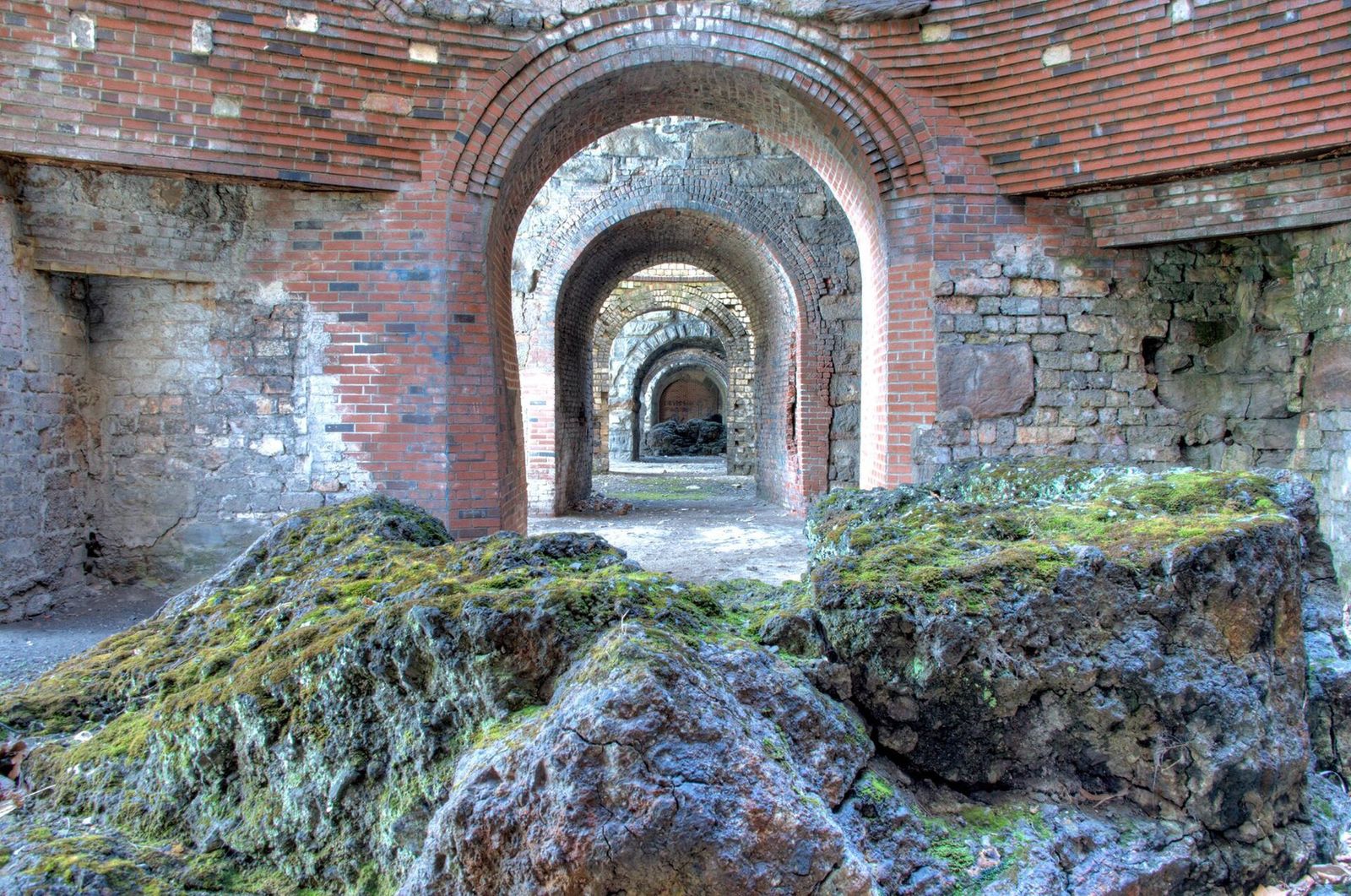
Anthracite's value multiplied once ironmakers learned to smelt with it instead of charcoal. In 1798, brothers Ebenezer and Benjamin Slocum built a small bloomery forge along Roaring Brook near its meeting with the Lackawanna River, in a spot that became known as Slocum Hollow, near present day Scranton. The forge sat idle for over a decade after the Slocums stopped operating it in 1826, until it was revived in 1840 by the firm of Scrantons, Grant and Company, the operation that would eventually give the city its name. After years of financial struggle, the company found its footing producing T-rail for the railroads then spreading across the region, tying Pennsylvania's coal, iron, and rail industries together into a single industrial engine.
Finding This History Along Route 6 Today
The Penn-Brad Oil Museum sits right in Bradford, on the Route 6 corridor itself, with a 72-foot replica drilling rig and tours led by retired oil country veterans. The Drake Well Museum and Park, a short drive south of the corridor near Titusville, preserves the site of the original 1859 well. Toward the corridor's eastern industrial towns, the Anthracite Heritage Museum and the Scranton Iron Furnaces, both administered by the Pennsylvania Historical and Museum Commission, preserve the mining and ironmaking history of the Lackawanna Valley.
Frequently Asked Questions
Where was the first successful oil well in the United States?
Edwin Drake drilled the first successful commercial oil well near Titusville, Pennsylvania, striking oil on August 27, 1859. The site is preserved today as the Drake Well Museum and Park.
What made the Bradford Oil Field so significant?
By 1881, the Bradford Oil Field in McKean County was producing about 83 percent of all oil pumped in the United States, earning it recognition as the world's first billion-dollar oil field. Some wells drilled there in the 19th century are still producing today.
Who discovered anthracite coal in Pennsylvania?
A hunter named Philip Ginter is credited with discovering anthracite on Sharp Mountain near Summit Hill in 1791, leading to the formation of the country's first anthracite mining company the following year.
How did Scranton get its name?
The city takes its name from the firm of Scrantons, Grant and Company, which revived an early iron forge at Slocum Hollow in 1840 and grew it into a major ironmaking operation supplying rail for the region's expanding railroads.
Read More
More Posts from PA Route 6
Black Gold and King Coal: How Oil, Coal, and Iron Built Northern Pennsylvania
Learn More about Black Gold and King Coal: How Oil, Coal, and Iron Built Northern Pennsylvania

Over 100 Leaders Join PA Route 6 Workshop & Awards in Kane
Over 100 Leaders Attend PA Route 6 Alliance 2025 Educational Workshop, Annual Meeting, and “Do 6” Aw…
Learn More about Over 100 Leaders Join PA Route 6 Workshop & Awards in Kane

PA Route 6 Takes the Crown in Ultimate Road Trip Playlist Challenge
Out here on PA Route 6, we’re used to taking the scenic route.
Learn More about PA Route 6 Takes the Crown in Ultimate Road Trip Playlist Challenge

Route 6 Scenic Byway Celebration
4-County Section of U.S.

New 2026 PA Route 6 Artisan Trail Map Celebrates “Makers and Landscape: Art Rooted in PA Route 6”
The PA Route 6 Alliance is proud to announce the release of the 2026 PA Route 6 Artisan Trail Map, u…

Spend Christmas on PA Route 6!
A Classic Christmas in Northern PennsylvaniaPlanning a Christmas vacation in PA?
Get Social
