God’s Country: Wildlife, Lumberjacks, and the Black Forest of Route 6
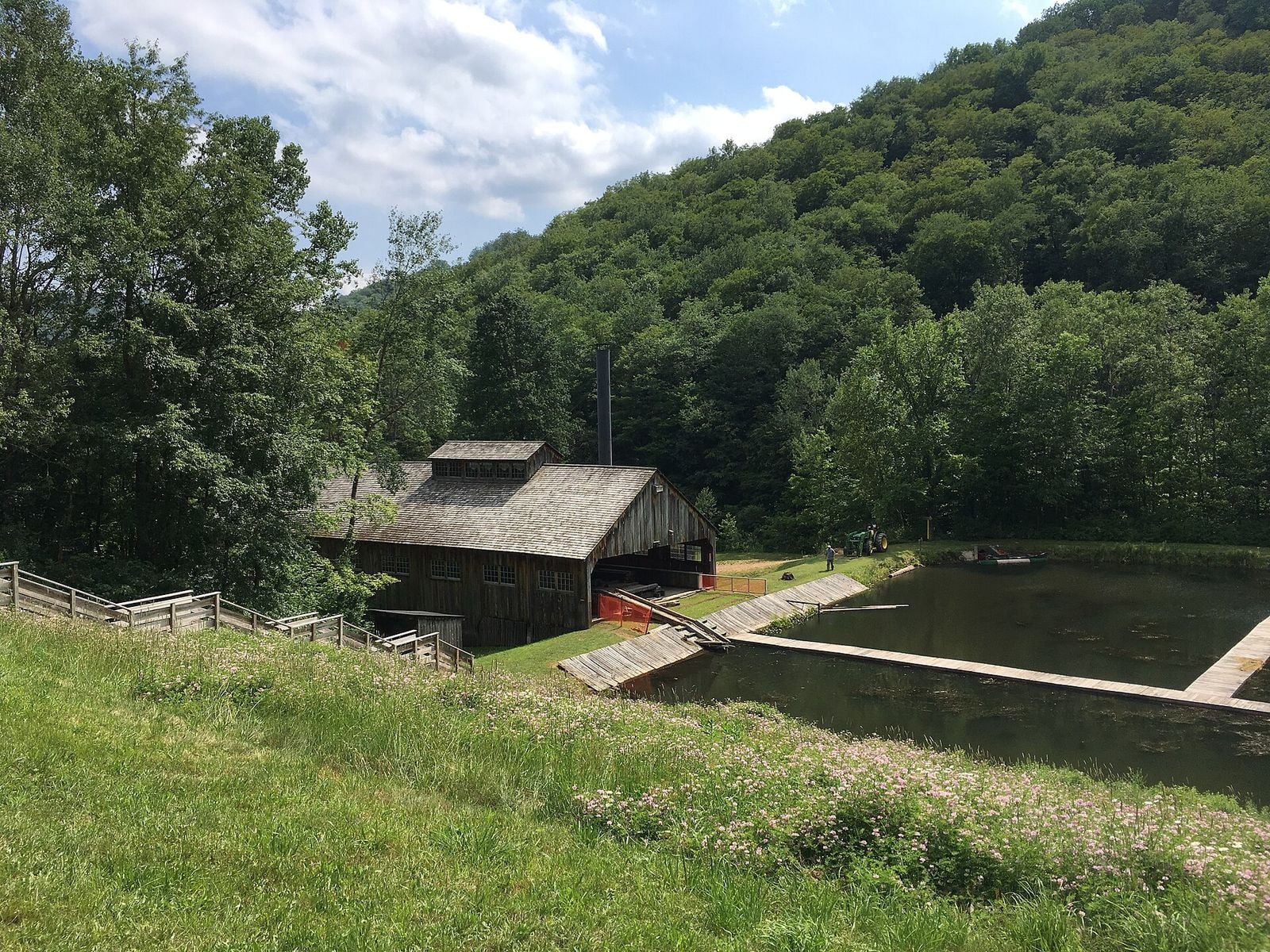
Northern Pennsylvania was the last truly wild corner of the Commonwealth, and the region still carries the nickname "God's Country" today. But the wilderness that draws hikers, hunters, and leaf-peepers to the Route 6 corridor now is not the same forest that stood here two centuries ago. It was cut down almost entirely, then grew back into something new, and the story of how that happened involves lumberjacks, a nearly vanished deer herd, and one of the boldest conservation experiments in American history.
A War Against the Wilderness
Early settlers depended on clearing the forest and controlling its wildlife simply to survive. Wolves and panthers threatened the small herds of sheep and cattle that families relied on for food and fiber, and "circle hunts," organized drives meant to round up and kill off threatening animals, were common through the 18th and 19th centuries. The same westward push of settlement that displaced Native American communities also pushed the region's wildlife into the northwestern corner of the state, concentrating it in the very forests that would soon draw lumbermen, tanners, and oil prospectors.
The Black Forest
At its peak in the mid-19th century, a dense stand of white pine and hemlock known as the Black Forest covered more than a million acres across Potter, Tioga, Lycoming, Clinton, and Cameron counties, an area roughly 40 miles square and so thick that little sunlight reached the ground even at midday. The men who cut it down still found time to sing about it. Lumbermen composed "tramping chants" to pass the long walks between camp and the timber stands, and local verses celebrated the region's beauty even as the industry that employed them was clearing it. One ballad put it simply: travelers could search the country over and find no place to match "good old Potter County." It is worth remembering that the region's tourism appeal was already being sung about more than a century before the first Route 6 travel brochure.
Inside a Logging Camp
Life in a 19th-century lumber camp was hard, dangerous, and, by most accounts, strangely satisfying to the men who lived it. Camps were built of logs chinked with mud and moss, divided into a kitchen and dining room, a bunkroom under the roof, and a "bar-room" where men swapped stories after supper. Meals were heavy and constant, pork, potatoes, beans, pie, and endless coffee, and the work itself ranged from felling trees to guiding logs down slides and "driving" them downstream in the spring floods. The most dangerous job of all belonged to the "jam-breaker," who worked barefoot spikes and a pike lever to find the single key log that, once freed, would break apart an entire logjam and send him riding the resulting surge of logs to shore. Fatal accidents were common enough that one Potter County account from 1890 recorded them almost matter of factly, from a logger crushed against a tree by a runaway log to a mill worker cut in half by a circular saw.
The Deer That Nearly Vanished, Then Nearly Overran the State
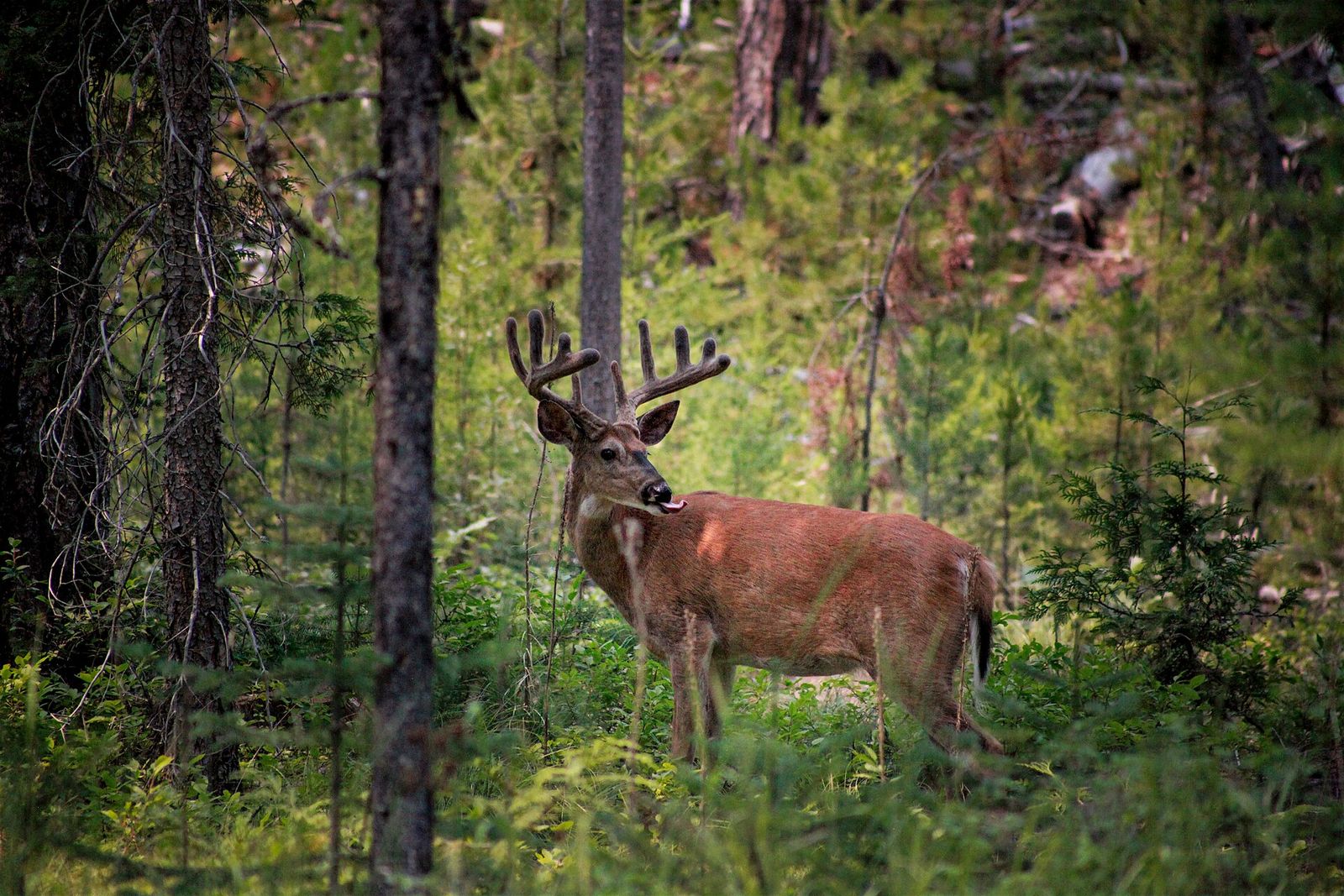
White-tailed deer tell one of the wildest population swings in Pennsylvania history. Uncontrolled hunting and the loss of forest habitat drove deer to near extinction in the Commonwealth by the end of the 1800s, with only a few hundred animals estimated to remain statewide. The Pennsylvania Game Commission, formed in 1895, began restocking the herd from out-of-state sources, and protective hunting laws let the population rebound so successfully that by the 1920s deer were everywhere, wandering into barnyards and orchards across the state. The recovery overshot itself: with natural predators like wolves already eliminated and too little regulated hunting of does, the herd outgrew its food supply, and a series of brutal winters in the 1930s caused mass starvation. An estimated 40,000 deer starved to death in the winter of 1935 to 1936 alone. The Game Commission's ongoing deer management program, controversial with hunters at the time, grew directly out of that crisis.
From Brush Patch to National Forest
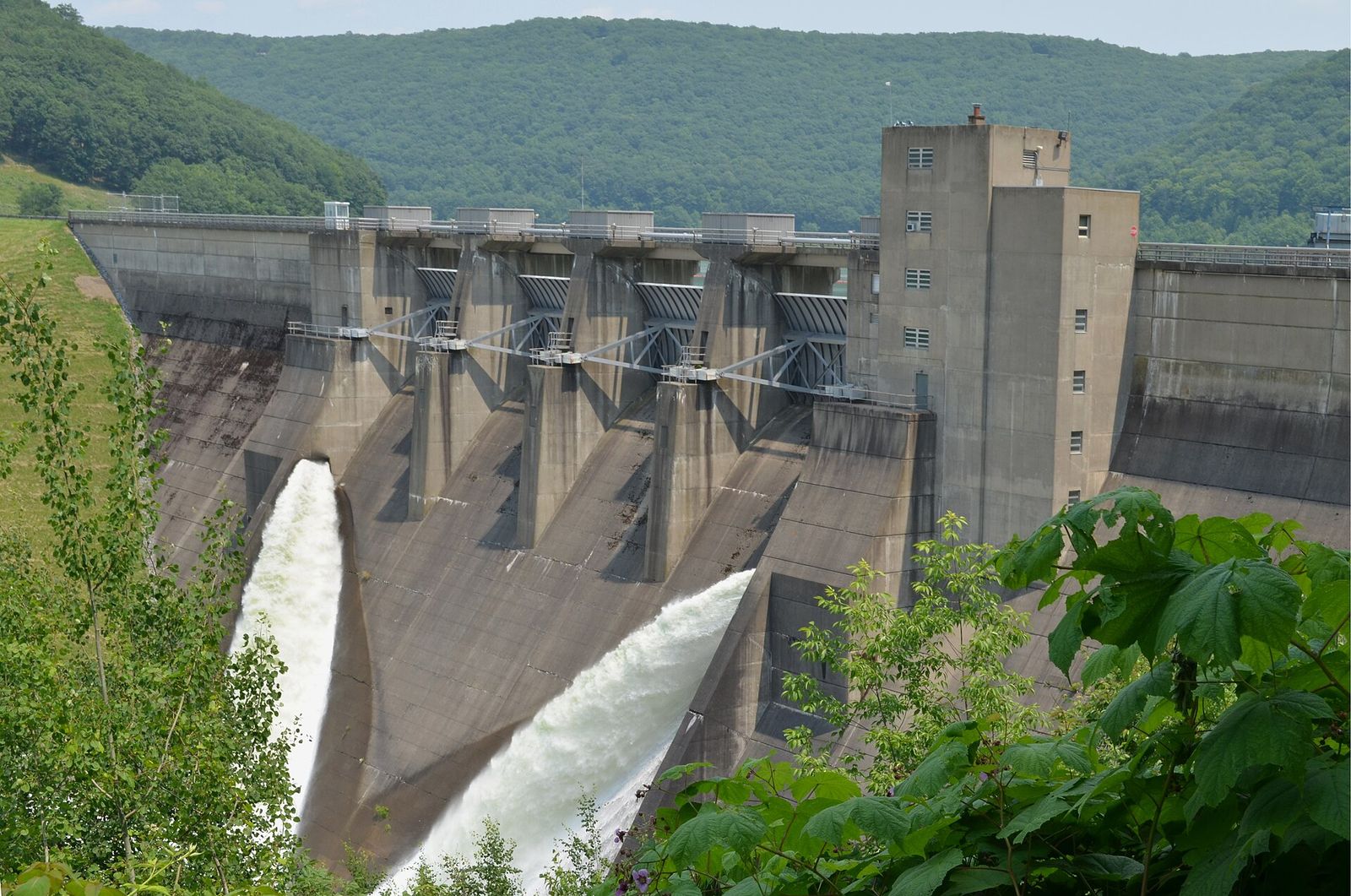
By the early 20th century, the old growth forest was gone, and the cutover land left behind was in such poor shape that residents took to calling it the "Allegheny Brush-patch." In 1923, under Governor Gifford Pinchot, the nation's first professionally trained forester, Pennsylvania's only national forest was established on the Allegheny Plateau. The U.S. Forest Service describes the Allegheny National Forest's guiding philosophy as "the greatest amount of good for the greatest amount of people, in the long run," and over the following decades that management, along with Civilian Conservation Corps labor in the 1930s and the creation of the Kinzua Dam and Allegheny Reservoir in 1965, transformed the brush patch into more than 513,000 acres of hardwood forest and recreation land that now anchors outdoor tourism across the corridor's western counties.
Finding This History Along Route 6 Today
The Pennsylvania Lumber Museum sits directly on Route 6 between Galeton and Coudersport, with a reconstructed logging camp, a Shay locomotive, and a working steam sawmill that runs on select weekends. The Allegheny National Forest spans the corridor's western counties around Marienville, Kane, and Bradford, with the Allegheny Reservoir offering the boating and camping that grew out of the Kinzua Dam project. For a taste of the region's ongoing agricultural heritage, the Crawford County Fair has run every August in Meadville since 1946.
Frequently Asked Questions
What was the Black Forest in Pennsylvania?
The Black Forest was a dense old-growth stand of white pine and hemlock that once covered more than a million acres of north central Pennsylvania, including Potter, Tioga, Lycoming, Clinton, and Cameron counties. It was almost entirely logged off by the early 20th century.
Why did Pennsylvania's deer population crash in the 1930s?
Decades of successful restocking and protective hunting laws let the deer herd grow far beyond what the forest could feed. A series of severe winters caused mass starvation, with an estimated 40,000 deer dying in the winter of 1935 to 1936 alone, prompting the state's first modern deer management programs.
When was the Allegheny National Forest established?
The Allegheny National Forest was established in 1923 on land so depleted by logging that it was nicknamed the "Allegheny Brush-patch." It now covers more than 513,000 acres in northwestern Pennsylvania.
Can you still see old-growth forest along Route 6?
A few small stands of the original old-growth forest survive, most notably at Hearts Content within the Allegheny National Forest, though the vast majority of today's forest grew back after the logging era ended.
Read More
More Posts from PA Route 6

PA Route 6 Alliance 2026 “Do 6” Award Nominations Open
PA Route 6 Alliance Accepting Nominations for 2026 “Do 6” Awards Recognizing outstanding people,…
Learn More about PA Route 6 Alliance 2026 “Do 6” Award Nominations Open
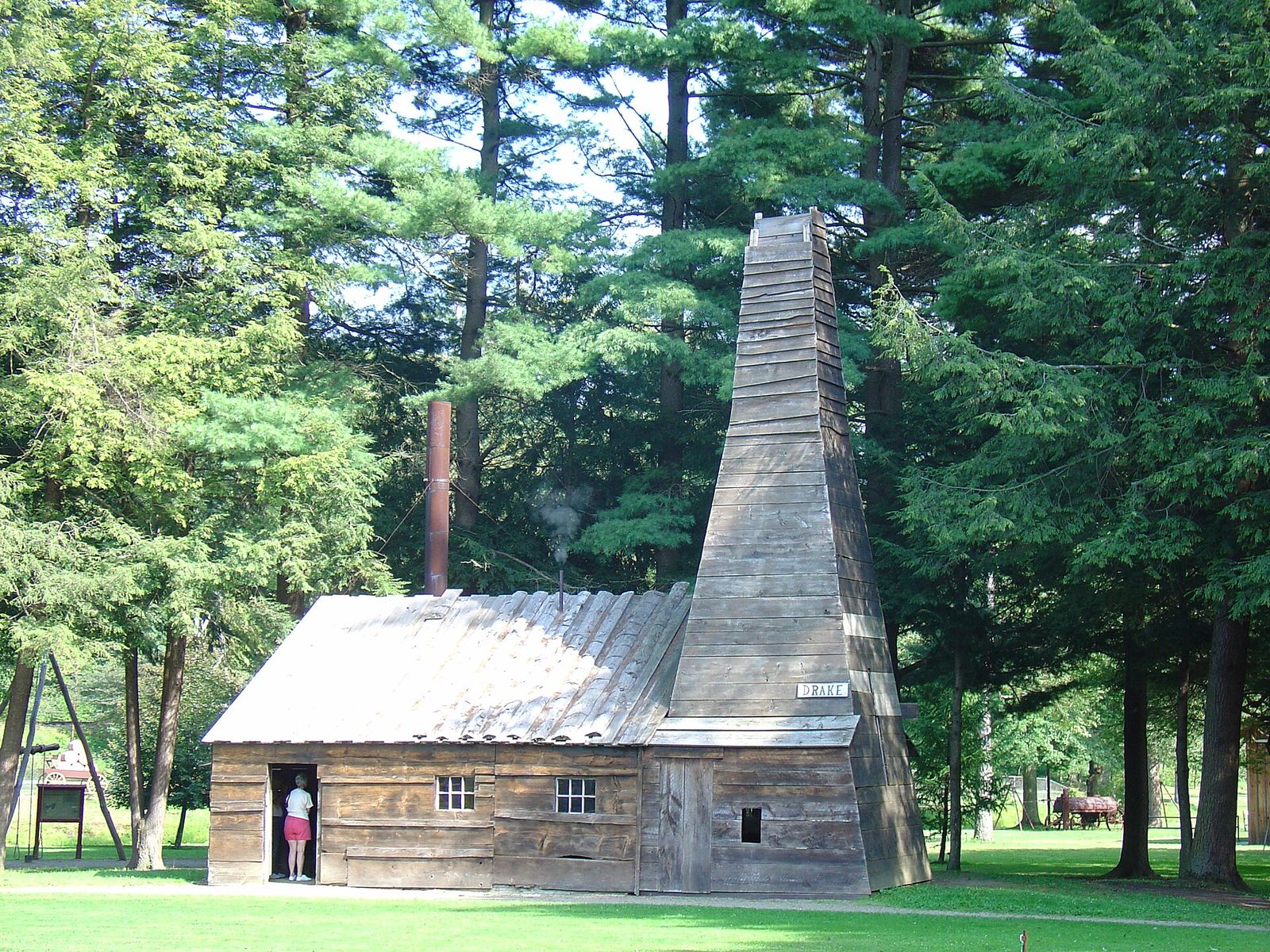
Black Gold and King Coal: How Oil, Coal, and Iron Built Northern Pennsylvania
Learn More about Black Gold and King Coal: How Oil, Coal, and Iron Built Northern Pennsylvania

Meet the Makers: A Weekend on the PA Route 6 Artisan Trail
Explore the PA Route 6 Artisan Trail and plan a weekend road trip filled with local artists, makers,…
Learn More about Meet the Makers: A Weekend on the PA Route 6 Artisan Trail

Honesdale Selected to Join Six Communities Along the PA Route 6 Heritage Corridor as a PA Heart & Soul Community
Honesdale Selected to Join Six Communities Along the PA Route 6 Heritage Corridor as a PA Heart &…

Over 100 Leaders Join PA Route 6 Workshop & Awards in Kane
Over 100 Leaders Attend PA Route 6 Alliance 2025 Educational Workshop, Annual Meeting, and “Do 6” Aw…
Learn More about Over 100 Leaders Join PA Route 6 Workshop & Awards in Kane

PA Route 6 & The EADS Group Meet in Mansfield
PA Route 6 Alliance and The EADS Group met on May 8 & 9, 2024 at the Mansfield Hose Company with Man…
Learn More about PA Route 6 & The EADS Group Meet in Mansfield
Get Social
