Safe Havens

Where America Found Refuge
Safe Havens
As America marks its 250th anniversary, PA Route 6 stands as a living timeline, where America’s past isn’t remembered from afar but experienced in the places where it happened.
Northern Pennsylvania harbored many people displaced by revolution, persecution, and oppression. Slaves followed the Underground Railroad on their path to liberty. Aristocrats escaped the guillotine of the French Revolution. Guys who needed work joined the Civilian Conservation Corps during the Great Depression and built the means to conserve Pennsylvania’s natural places. Confederate prisoners-of-war on their way to prison in Elmira, NY, found comfort when their train wrecked near Shohola.
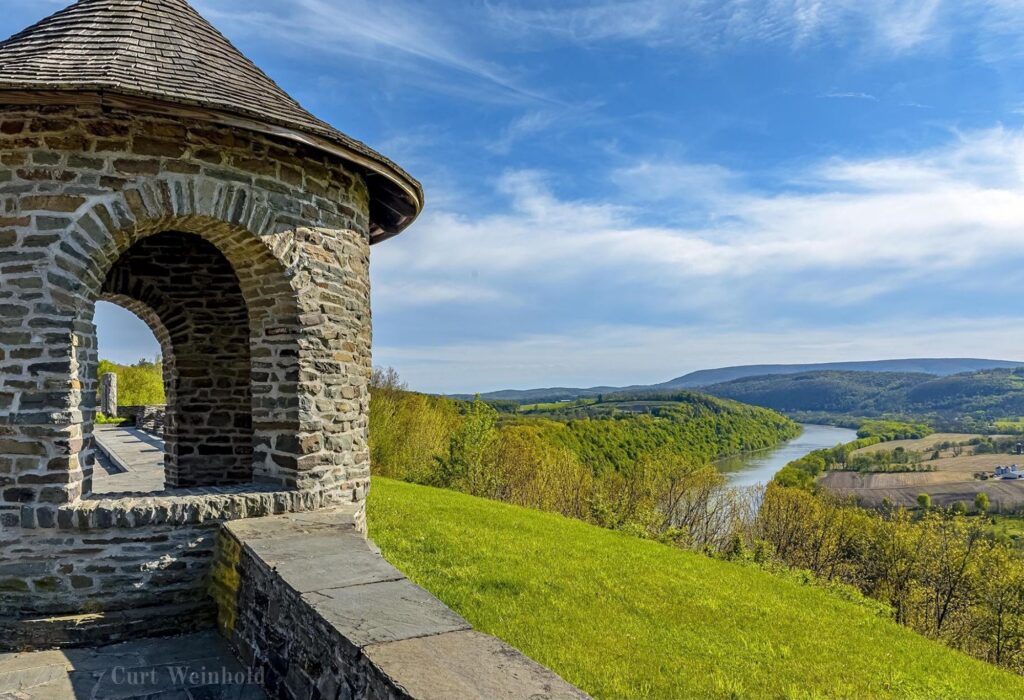
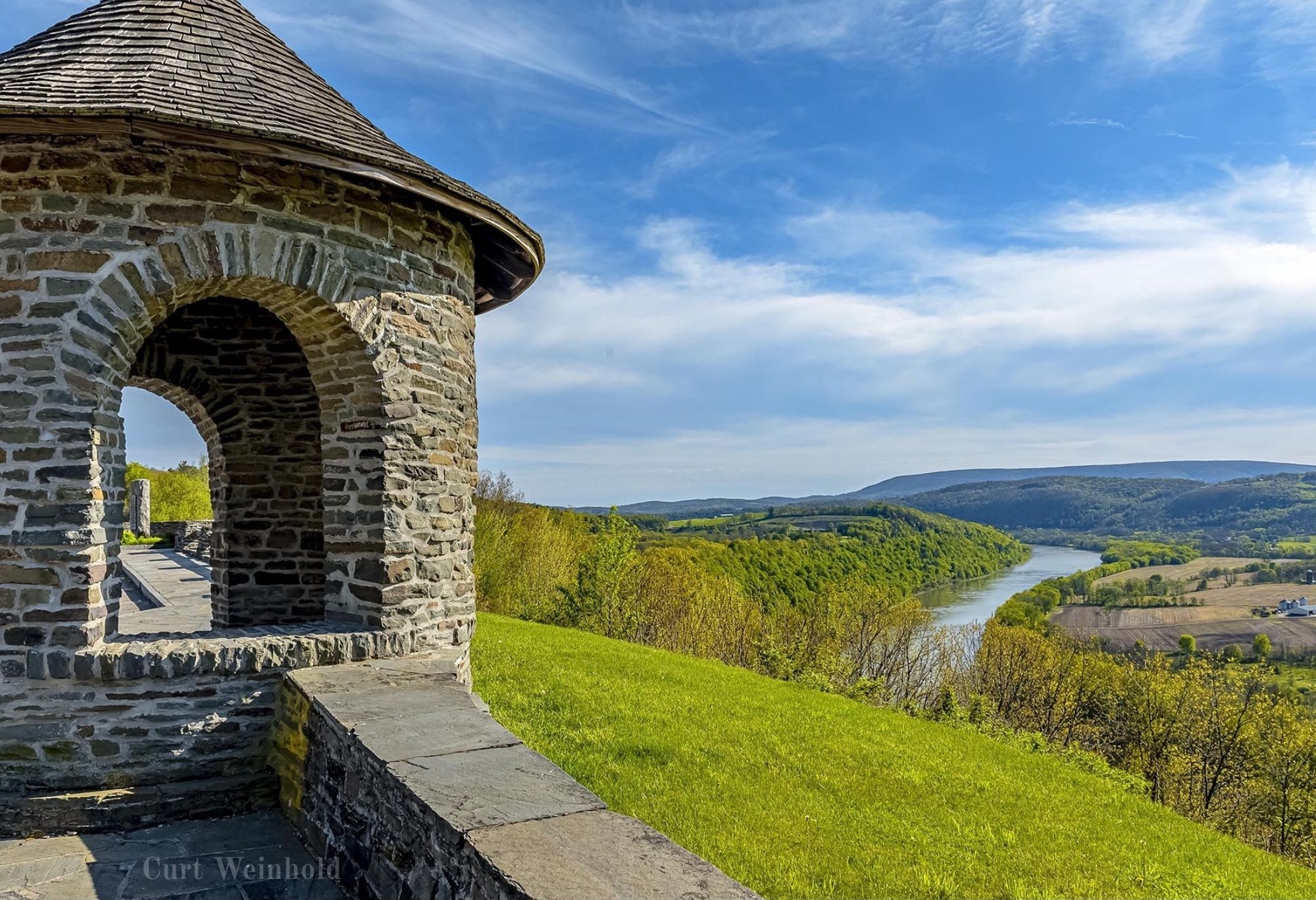
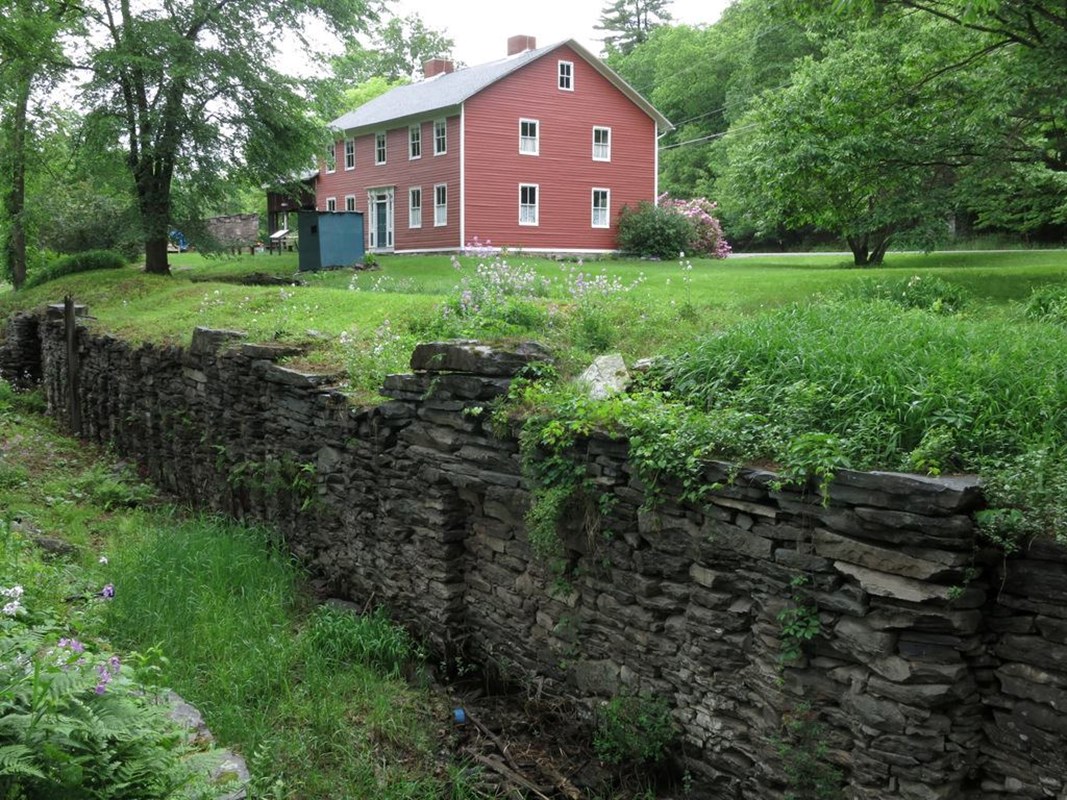
Peace Woven in the Terrain
Stretching across northern Pennsylvania, the PA Route 6 Heritage Corridor is more than a scenic drive. It’s a journey through the places where people once sought safety, second chances, and new beginnings.
As America approaches its 250th anniversary, this landscape becomes a living timeline, inviting travelers to experience history not as distant memories, but as something grounded in real hillsides, riverbanks, and small towns. Here, stories of refuge are woven into the terrain. Freedom seekers once followed hidden routes north toward liberty. European aristocrats fleeing revolution found a quiet place to rebuild their lives. During the Great Depression, young men arrived in search of work and left behind enduring forests, parks, and public spaces. Even in moments of conflict, compassion emerged, offering comfort to those far from home.
Today, visitors can trace these powerful legacies through immersive historic sites, scenic waterways, and expansive public lands that invite exploration. Each stop reveals a different chapter, of courage, resilience, and hope, set against the natural beauty of Pennsylvania’s northern tier. Follow the road, and you’ll discover not only where America found refuge, but where its spirit of perseverance still welcomes travelers today.
Safe Havens Experience Guide
Explore


Experience nature where early America found refuge, one peaceful moment at a time.
Pymatuning State Park: Pymatuning State Park, built by the Civilian Conservation Corps, is one of the Commonwealth’s largest parks, centered around the Pymatuning Reservoir offering boating, fishing, swimming, camping, and wildlife viewing, including a famed spillway “where the ducks walk on the fish.” Linesville, Crawford County.
Hearts Content: Hearts Content Recreation Area preserves one of the region’s last old-growth forests, where Civilian Conservation Corps (CCC) crews built the campground and facilities in 1936, shaping it into a place for public enjoyment and reflection. Today, surrounded by towering 300–400-year-old trees that escaped widespread logging, it offers a quiet natural refuge and renewal within the Allegheny National Forest, inviting visitors to experience solitude and resilience in a once-devastated landscape. Warren, Warren County.
Allegheny National Forest: Pennsylvania’s only National Forest spans more than 500,000 acres of scenic northwestern Pennsylvania, offering miles of hiking and biking trails, tranquil waterways for paddling and fishing, and abundant wildlife habitat. Visitors can explore everything from the reservoir shoreline of the Allegheny River to quiet backcountry vistas, making it a premier destination for year-round outdoor recreation. Warren/McKean Counties.
Bark Shanty CCC Camp: This remote Civilian Conservation Corps camp in Potter County provided a place of refuge during the Great Depression, specifically for African American enrollees in the governmental program. Today, the Lumber Heritage Region is spearheading the Bark Shanty Project, an archaeological effort documenting the camp’s remains, mapping features, and uncovering artifacts to better understand daily life at this segregated CCC site. The site is located in the Susquehannock State Forest. Potter County.
Mill Cove Environmental Area: Mill Cove Environmental Area is a 200-acre outdoor recreation and education site dedicated to conservation, environmental learning, and community use along the scenic Mill Creek Valley. With opportunities for hiking, fishing, paddling, and wildlife viewing, it serves as a welcoming natural retreat where visitors can connect with the landscape while supporting sustainable stewardship and outdoor experiences. Tioga, Tioga County.
PA Grand Canyon: Pennsylvania’s natural wonder can be enjoyed from above and below and stretches over 45 miles with depths of almost 1500 feet. Wellsboro, Tioga County.
Seneca Trail: This historic Native American route was once part of the “Forbidden Trail.” Today, the trail offers 6 miles of peaceful terrain along Bowmans Creek. Eatonville, Wyoming County.
*Locations are listed West to East and can be found on the map above.
Historical Experiences


Experience America’s story where it happened as it unfolds, mile by mile.
Erie Maritime Museum: Dedicated to the region’s naval history, specifically focusing on the War of 1812 and the Battle of Lake Erie. It serves as the home port for the US Brig Niagara, a reconstructed flagship used by Oliver Hazard Perry to defeat the British fleet. The museum features exhibits on the war’s causes, artifacts from the battle, and the USS Michigan/Wolverine. Erie, Erie County.
French Azilum: French refugees, who were loyal to the King and had escaped the horrors of the Revolution, settled along the Susquehanna River. The French refugees, mostly nobility and gentry, had planned to welcome the Queen of France, Marie Antoinette, and her two children had they survived and escaped. Wyalusing, Bradford County.
Destination Freedom- The Underground Railroad Walking Tour: Take an interactive tour exploring the lives of abolitionists and formerly enslaved settlers. Waverly, Lackawanna County.
The Columns Museum: Home to the famed “Lincoln Flag” used to cradle Abraham Lincoln after he was mortally wounded, The Columns Museum preserves a powerful symbol of a nation transformed, connecting visitors to Lincoln’s legacy of emancipation and the United States as a hard-won “safe haven” for those seeking freedom. Milford, Pike County.
*Locations are listed West to East and can be found on the map above.
Wildlife Sanctuaries

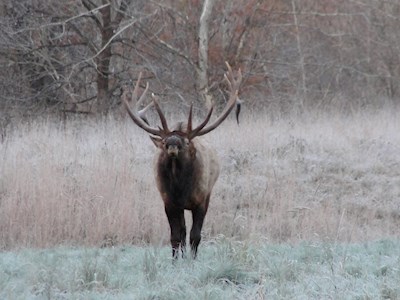
Explore the refuges where America’s wild animals find peaceful sanctuary.
Erie National Wildlife Refuge: A peaceful sanctuary spanning wetlands, forests, and fields, Erie National Wildlife Refuge provides critical habitat for migratory birds and native wildlife while offering visitors a place for quiet reflection, wildlife observation, and connection with nature. Cambridge Springs & Guys Mills, Crawford County.
Linesville State Fish Hatchery: Located near Pymatuning Reservoir, the Linesville State Fish Hatchery nurtures and releases fish to replenish waterways across Pennsylvania, ensuring healthy ecosystems while offering visitors a place to witness conservation in action. Linesville, Crawford County.
Corry State Fish Hatchery: Established in 1876, the Corry State Fish Hatchery is Pennsylvania’s oldest continuously operating hatchery. Here, trout are carefully raised in protected ponds and raceways before being released to sustain healthy waterways across the region. By safeguarding fish during their most vulnerable stages, the hatchery not only supports conservation and recreation but also reflects a legacy of stewardship that ensures aquatic life can thrive for generations to come. Corry, Erie County.
Allegheny National Fish Hatchery: Nestled along the Allegheny River below Kinzua Dam, this national fish hatchery is where lake trout and bloaters are carefully raised and protected before being released to restore and sustain Great Lakes ecosystems. Through its conservation mission, the hatchery safeguards vulnerable species and supports the long-term health of aquatic habitats, ensuring these native fish and the traditions they support can thrive for generations to come. Warren, Warren County.
Oswayo State Fish Hatchery: Trout are carefully nurtured in spring-fed raceways and ponds, shielded during their earliest and most vulnerable stages of life. From this secure environment, hundreds of thousands of fish are raised and released each year to sustain Pennsylvania’s waterways, ensuring healthy ecosystems while continuing a legacy of conservation rooted in protection and renewal. Coudersport, Potter County.
Wildlife Center at Sinnemahoning State Park: Step inside this immersive wildlife center featuring interactive exhibits, interpretive displays, and a panoramic observation area where visitors can learn about and often spot elk, black bears, bald eagles, and other iconic Pennsylvania species in their natural habitat. Austin, Potter County.
Lacawac Sanctuary: Serving as a nature preserve, environmental education center, and biological field station, Lacawac Sanctuary protects a glacial lake and surrounding forests while fostering scientific research, hands-on learning, and a deeper appreciation for the region’s ecological heritage. Lake Ariel, Wayne County.
Dorflinger-Suydam Wildlife Sanctuary: Blending natural beauty with cultural heritage, this 600-acre sanctuary invites visitors to explore wooded trails, historic landscapes, and outdoor arts programming in a serene setting that reflects both conservation and creativity. White Mills, Pike County.
*Locations are listed West to East and can be found on the map above.
Historical Markers


Follow the road as it reveals the stories written across the land, one marker at a time.
Cynthia Catlin Miller: Prominent antislavery leader from an abolitionist family, she founded the Female Assisting Society and the Ladies’ Fugitive Aid Society. Her home here, the Miller Mansion, was a refuge for freedom seekers on the Underground Railroad, and her organizations provided them with food and clothing. She and her son Franklin hosted Frederick Douglass and other abolitionists when they came to speak at the Sugar Grove Convention of 1854. Sugar Grove, Warren County.
Medbury Place: Smethport’s early and continued involvement in the Underground Railroad has been documented repeatedly as an important depot for transportation of fugitive slaves on their journey to Canada. Two abolitionists consistently mentioned are Smethport hotel keeper David Young and businessman Nelson Medbury. Smethport, Potter County.
Wyalusing Path: An Indian path from Wyalusing on the North Branch of the Susquehanna, ran down Muncy Creek to the West Branch. Christian Indians, led by the Moravian Bishop Ettwien, came west over this path in 1772 to found a “City of Peace” on the Beaver River. Wyalusing, Bradford County.
Wyalusing: Named for an early town of the Munsee Delawares, which occupied the flats south of the present town. In 1760 Munsees under Papoonhank welcomed Post here, on his way toward a great Indian council beyond Allegheny River. Wyalusing, Bradford County.
Friedenshuetten: Moravian mission founded at Wyalusing Indian town by David Zeisberger in 1763. It served as a model for subsequent Indian missions. It was abandoned in 1772, when pastors Ettwein and Roth led some 200 Indians to the mission of Friedenstadt on the Beaver River near Ohio. Wyalusing, Bradford County.
Civil War Prison Train Wreck: On July 15, 1864, an Erie Railroad train carrying 833 Confederate prisoners and 128 Union guards to the prison camp at Elmira, N.Y., collided with a coal train between Shohola and Lackawaxen. About 48 prisoners and 17 guards were killed. Survivors, both injured and uninjured, were brought to Shohola where they were generously cared for by residents of the village. Shohola, Pike County.
*Locations are listed West to East and can be found on the map above.
Get Social
