Amazing Prospects
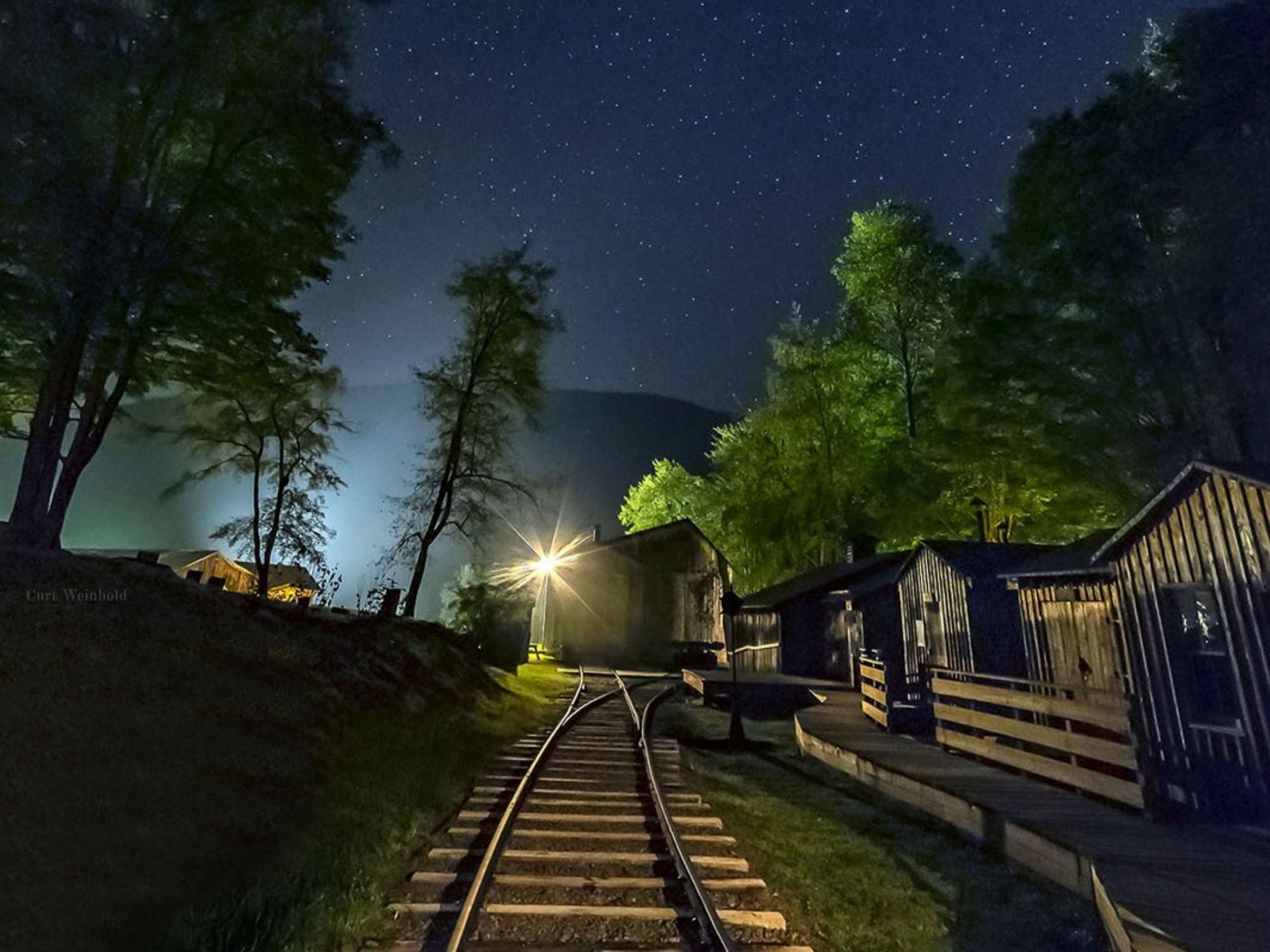
Where Land Fueled the American Story
Amazing Prospects
As America marks its 250th anniversary, PA Route 6 stands as a living timeline, where America’s past isn’t remembered from afar but experienced in the places where it happened.
Adaptation. This basic principle is essential to the survival of biological species, business enterprise or industrial development. As environments, needs and demands change, those that can meet the challenges will survive while others become obsolete. The natural resources of timber, oil, gas, coal, water, wildlife, scenic beauty, and others have provided a way of life for centuries, and continue to be the source of both recreation and enterprise.
America’s Story Rising from the Ground
PA Route 6 reads like a landscape-sized biography: one written in timber, stone, water, and steel. Here, the nation’s story rises directly from the ground. The same hills that once echoed with axes and steam-whistles now welcome travelers eager to trace how natural resources shaped a country.
This corridor reveals a powerful truth: communities that adapted thrived. Forests became lumber for growing cities. Coal and oil lit homes and powered factories. Iron and steel leapt from furnaces into rails, bridges, and skylines. Glassworks transformed sand and fire into objects of beauty and utility. Farms stitched valleys and markets together, feeding both towns and innovation. Along winding rivers and early rail lines, raw materials moved outward while ideas and opportunity flowed in. Not every boomtown survived. Some mills have faded to foundations, and certain industries exist now only in memory. Yet their legacy remains etched into the terrain, in preserved structures, interpretive sites, and vibrant small towns that continue to reinvent themselves.
Traveling PA Route 6 today means exploring more than scenery. It means standing where ambition once sparked revolutions in energy, transportation, and manufacturing. It is a journey through resilience and reinvention, an open invitation to discover how the land itself fueled the American story.
Amazing Prospects Experience Guide
Agriculture


The PA Route 6 Heritage Corridor has long been a vital artery for American agriculture, linking fertile valleys, farms, and markets across northern Pennsylvania. The corridor passes through regions known for dairy, grain, and fruit production, allowing farmers to transport their goods efficiently to local towns and major cities. Historic markets, roadside stands, and agricultural fairs along the route highlight the region’s role in sustaining rural economies and promoting innovations in farming techniques. Early agricultural pioneers along Route 6 adopted mechanized equipment and improved crop rotation methods, setting standards that influenced farming nationwide. The corridor also connects small towns where family farms have been preserved for generations, demonstrating the integration of agriculture, community, and commerce. By facilitating the movement of goods, knowledge, and labor, the PA Route 6 Heritage Corridor helped shape both local and national agricultural practices, preserving Pennsylvania’s reputation as a productive and resilient farming region.
Wilder Museum of Warren County History: Among its other exhibits, the Wilder Museum of Warren County History highlights the region’s agricultural roots where visitors can see an authentic 1860s covered wagon alongside a collection of historic farm tools that reflect everyday rural life including a dog treadmill. Together, these artifacts illustrate the labor, innovation, and self-sufficiency that shaped Warren County’s farming communities and their connection to Pennsylvania’s broader agricultural heritage. Irvine, Warren County.
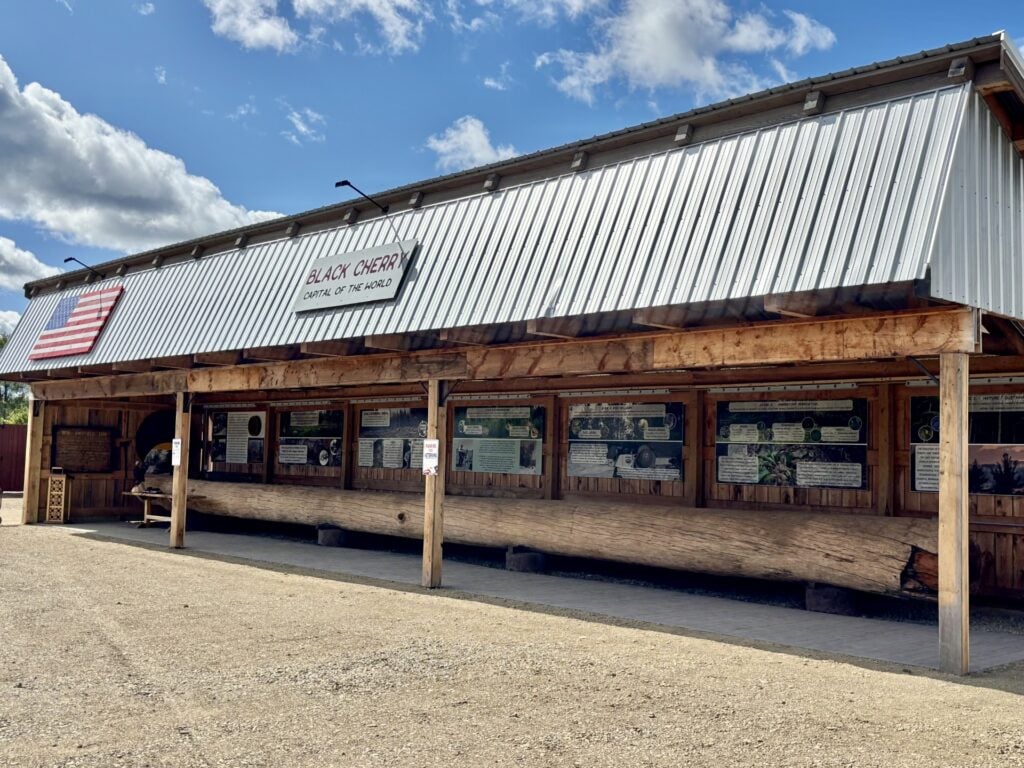
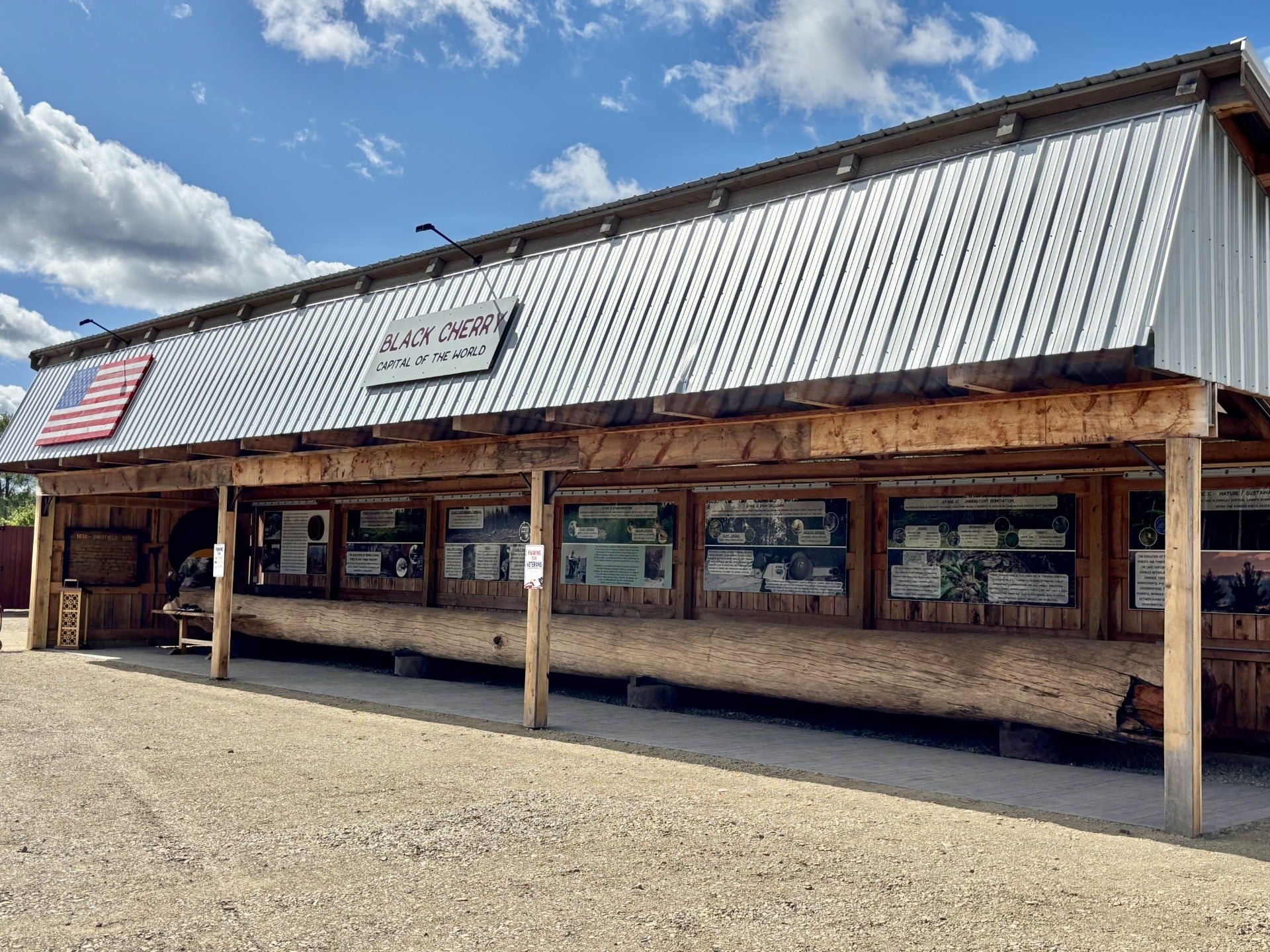
Wilds Sonshine Factory: The Wilds Sonshine Factory is a one-of-a-kind tourism destination that blends craft distilling with agriculture, producing its signature “Sonshine” spirits from locally grown sunflower seeds while celebrating the region’s farming heritage. Visitors can tour the facility’s agricultural education center and exhibits to learn how agriculture, timber, and natural resources shape the region, making it both an engaging attraction and a showcase of local industry. Home of the World’s longest tabletop made from a single piece of wood and the Lumber Heritage Region’s Black Cherry Capital of the World exhibit. Kane, McKean County.
PA Lumber Museum: The Pennsylvania Lumber Museum preserves and interprets the state’s historic lumbering industry and forest heritage through indoor and outdoor exhibits, a recreated lumber camp, working sawmill, logging equipment, and educational programs that explore how timber harvesting shaped Pennsylvania’s economy, culture, and environment. Ulysses, Potter County.
Heritage Village & Farm Museum: The Heritage Village and Farm Museum is a seasonal tourism destination that celebrates over 200 years of local agricultural heritage, featuring an extensive collection of rare farm implements, tools, and artifacts alongside historic village buildings like an 1822 inn, sugar shack, schoolhouse, and carriage house. Troy, Bradford County.
*Locations are listed West to East and can be found on the map above.
Coal


The PA Route 6 Heritage Corridor played a central role in the growth of the American coal industry, connecting key mining towns and facilitating the nation’s industrial expansion. In Carbondale, one of the first anthracite coal regions in the United States, mining operations fueled local economies and supplied the railroads that powered early industry. Further along the corridor, Blossburg Coal became synonymous with bituminous coal production, supporting steel mills and energy needs nationwide. Entrepreneurs like John Magee advanced mining technology and organized labor practices, helping transform coal from a regional resource into a national commodity. The corridor’s rail and river connections allowed coal to move efficiently to industrial centers, linking Pennsylvania’s rich deposits to growing markets. By uniting these communities, the PA Route 6 Corridor not only shaped the economic landscape of northeastern Pennsylvania but also cemented the state’s reputation as a cornerstone of America’s coal-driven industrial era.
John Magee Bust: The bust of John Magee on the historical marker in Wellsboro, PA, commemorates the founder of the Fall Brook Coal Company, honoring his role in developing coal mining and associated railroads that significantly shaped the region’s coal industry and economic growth in the 19th century. Wellsboro, Tioga County.
Pennsylvania Anthracite Heritage Museum: The Pennsylvania Anthracite Heritage Museum is a hands-on destination that interprets and presents the history of hard coal mining, related industries, and the immigrant communities that shaped northeastern Pennsylvania’s industrial culture through diverse exhibits and educational programs. Scranton, Lackawanna County.
Lackawanna Coal Mine Tour: The Lackawanna Coal Mine Tour is a unique tourism attraction where visitors descend about 300 feet into a restored anthracite coal mine to walk through historic underground tunnels and learn firsthand from guides about the lives, tools, and challenges of the workers who powered the region’s industrial growth. Scranton, Lackawanna County.
Wayne County Historical Society: The Wayne County Historical Society Museum preserves and interprets the region’s coal history by showcasing how the Delaware & Hudson Gravity Railroad and Canal system transported anthracite coal from northeastern Pennsylvania’s mines, with exhibits on early rail and industrial development tied to the coal industry. Honesdale, Wayne County.
*Locations are listed West to East and can be found on the map above.
Engineering


A trip along the PA Route 6 Heritage Corridor offers a fascinating journey through American engineering history, showcasing feats of innovation and ambition. The Kinzua Dam demonstrates mid-20th-century expertise in flood control and hydroelectric power, while the nearby Kinzua Viaduct, once the world’s tallest railroad bridge, highlights 19th-century steel construction ingenuity. Travelers can also explore the Roebling Bridge, an early example of wire-cable suspension engineering that influenced bridges nationwide, and the massive Tunkhannock Viaduct, a monumental concrete railroad trestle that exemplifies early 20th-century mastery of reinforced concrete. Driving or biking the corridor allows visitors to see how terrain, materials, and engineering solutions combined to overcome Pennsylvania’s challenging landscape. This route not only offers breathtaking views but also a tangible timeline of American structural engineering, making it an inspiring experience for engineers, students, and history enthusiasts alike.
Kinzua Dam: The Kinzua Dam is a major engineering landmark managed by the U.S. Army Corps of Engineers that combines massive earth- and concrete-fill construction with flood control, water management, and hydroelectric generation, showcasing mid-20th-century civil engineering designed to control the Allegheny River and create the Allegheny Reservoir. Warren, Warren County.
Kinzua Bridge: The Kinzua Bridge (Kinzua Viaduct) was an extraordinary feat of civil engineering when completed in 1882. At 301 feet tall and over 2,000 feet long it was the highest and longest railroad bridge in the world, later rebuilt in steel to support heavier trains and now remembered as an iconic landmark of innovative 19th-century structural design and construction. The structure was partially destroyed by a tornado in 2003. What remains standing is now the Kinzua Skywalk, overlooking the breathtaking Kinzua Gorge and the wreckage below. Mount Jewett, McKean County.
Tunkhannock Viaduct: The Tunkhannock Viaduct (also known as the Nicholson Bridge) is a monumental feat of early-20th-century civil engineering. Upon its completion in 1915, it was the largest reinforced concrete railroad bridge in the world, spanning 2,375 feet and towering about 240 feet above the creek to carry double tracks across the valley as part of a major railroad realignment project. Nicholson, Wyoming County.
Roebling Aqueduct Bridge: The Roebling Bridge is a remarkable example of early suspension engineering. Designed and built under the supervision of John A. Roebling in 1847 as one of the Delaware & Hudson Canal’s suspension aqueducts, it is the oldest existing wire-cable suspension bridge in the United States and showcases pioneering techniques in cable design and structural engineering that prefigured Roebling’s later work on the Brooklyn Bridge. Lackawaxen, Wayne County.
*Locations are listed West to East and can be found on the map above.
Furniture
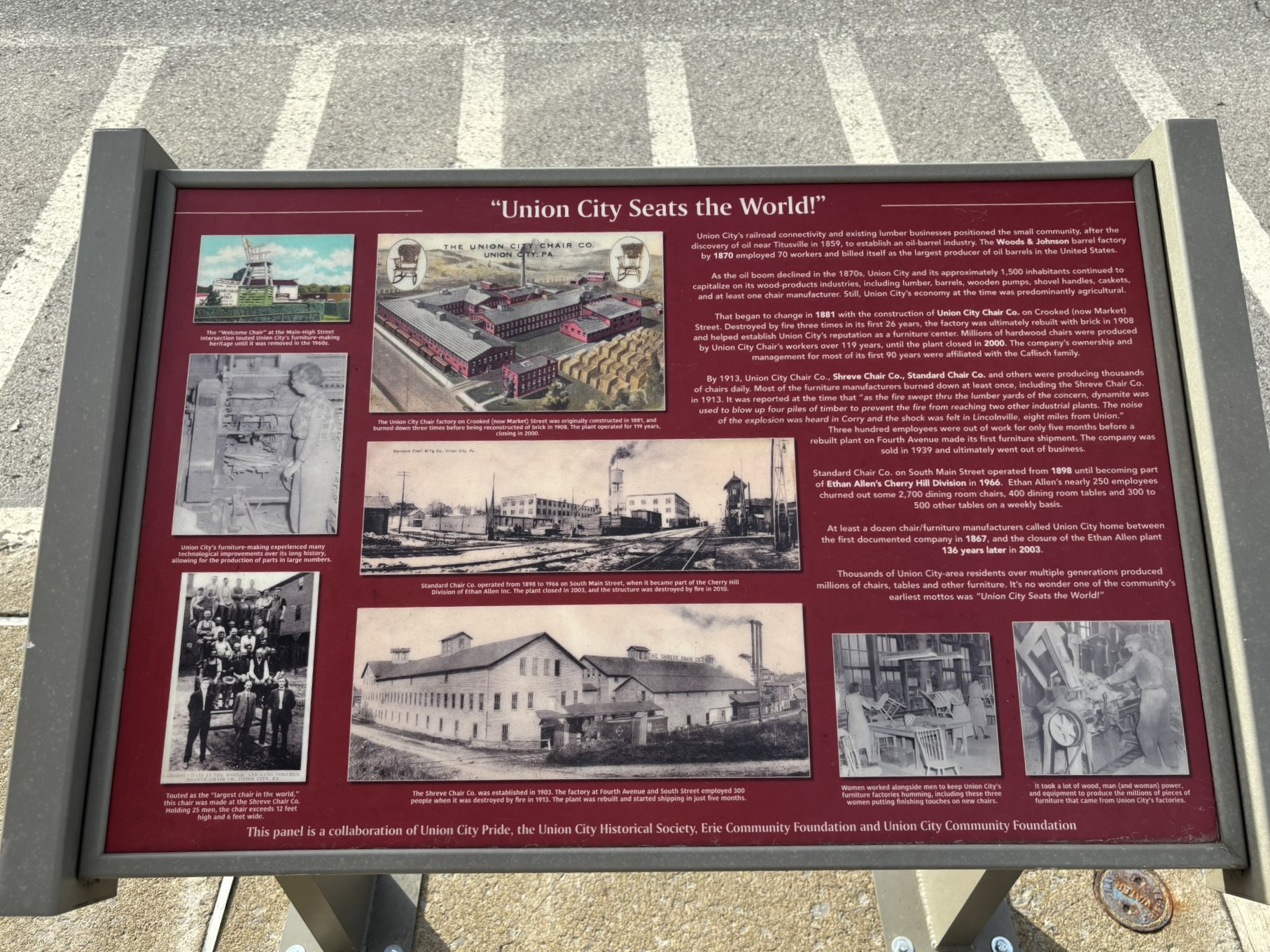
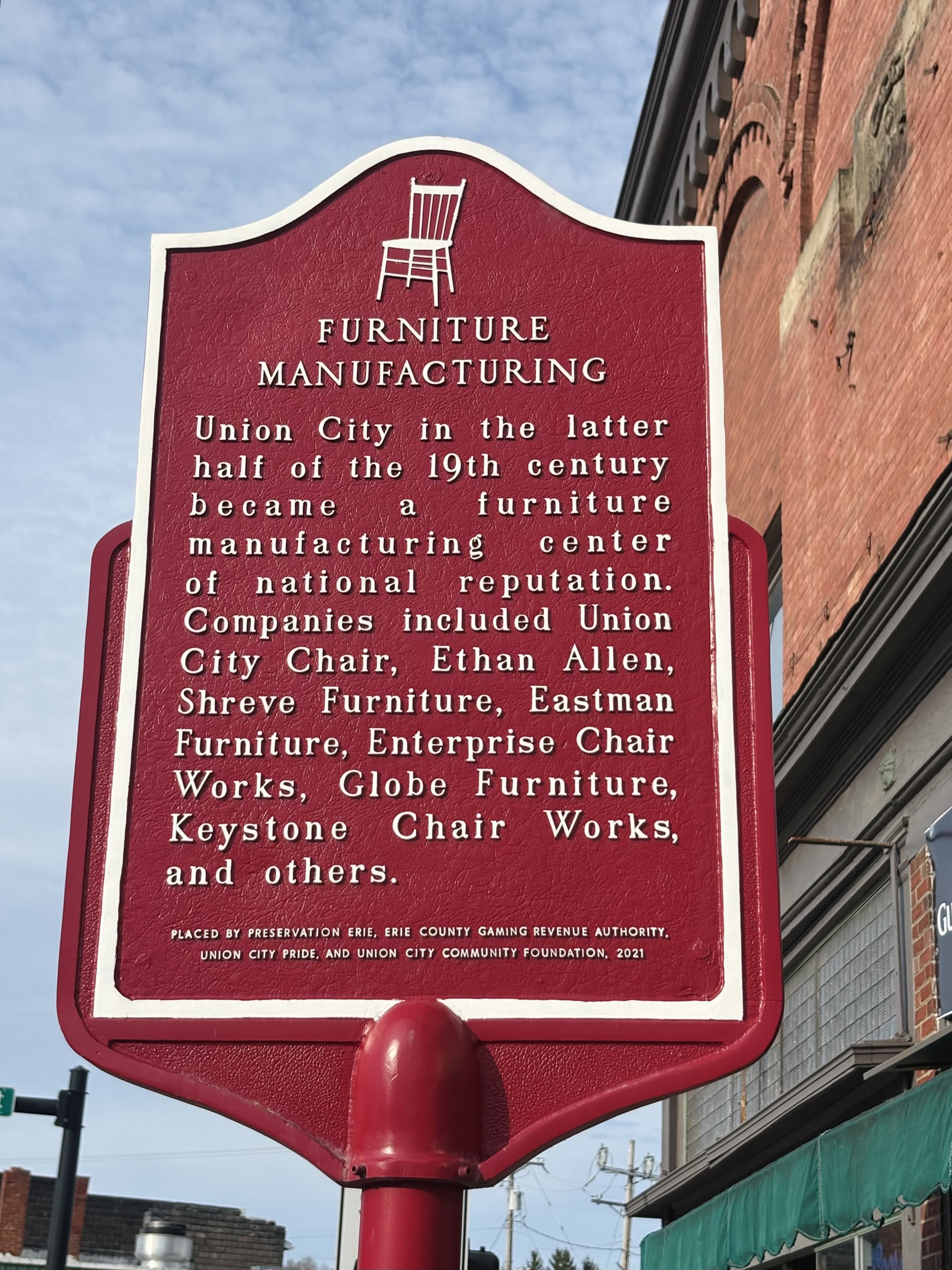
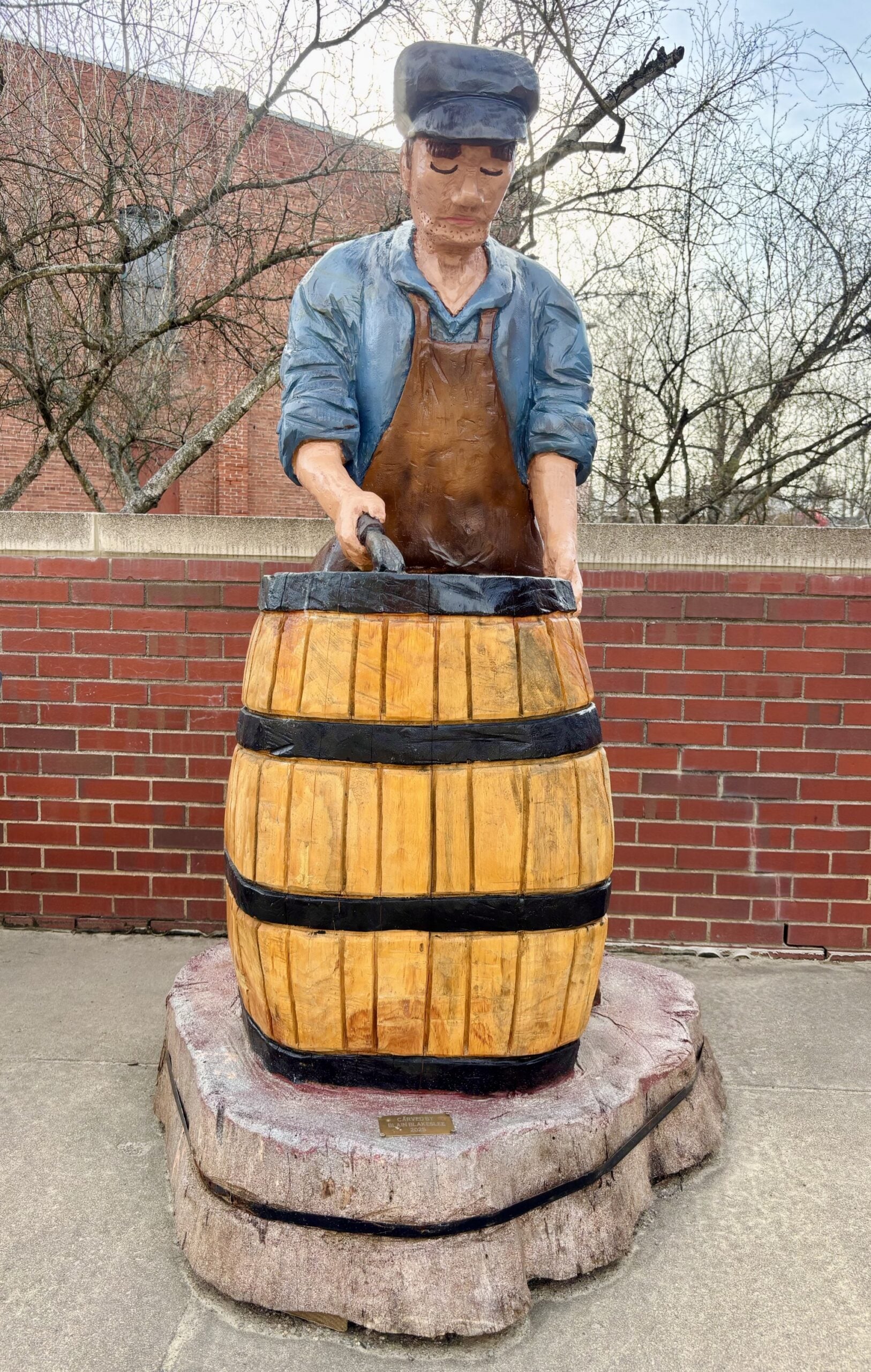
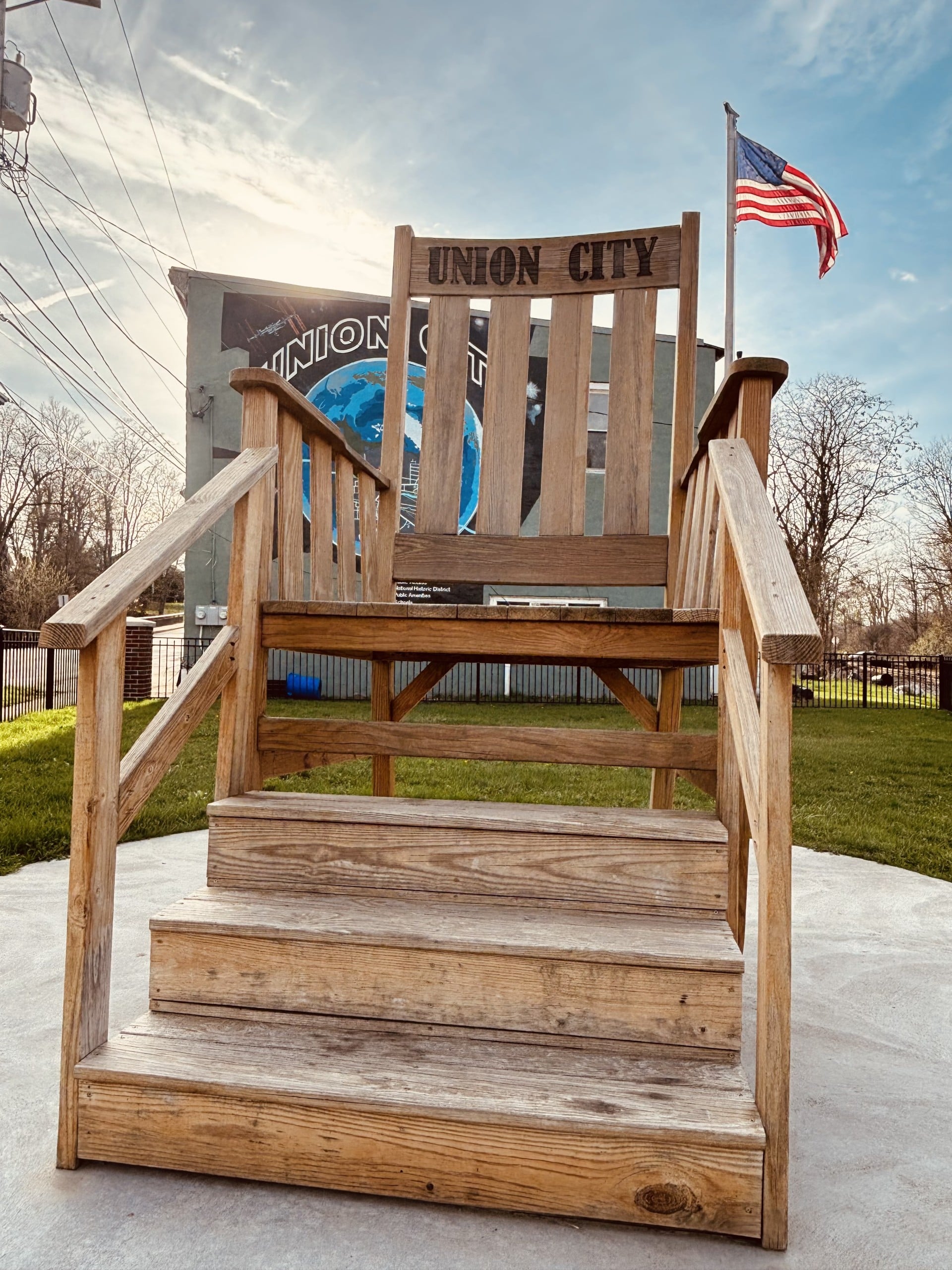
Along Pennsylvania Route 6, furniture manufacturing grew directly from the region’s vast forests, where abundant lumber fueled mills, barrel-making, and eventually thriving furniture factories. Nowhere was this more evident than in Union City, once known as the “chair capital of the world,” where woodworking industries shaped both the local economy and identity. Across the corridor, sites like the Hagen History Center and Baldwin-Reynolds House Museum preserve finely crafted interiors that reflect how furniture evolved from practical handmade pieces to ornate Victorian designs. In Warren County, collections at the Wilder Museum and Warren County Historical Society highlight how locally made furnishings fit into everyday life, while institutions like the Bradford County Historical Society and Lackawanna Historical Society showcase the craftsmanship and cultural importance of furniture across northern Pennsylvania. Together, these communities tell the story of a region where timber, industry, and artistry combined to leave a lasting imprint on American furniture-making traditions.
Hagen History Center: Hagen History Center offers visitors a rare look inside a fully furnished 1891 Victorian mansion, where ornate woodwork, decorative interiors, and period rooms showcase how late 19th-century furniture was crafted, displayed, and used in an upper-class American home. Erie, Erie County.
Union City: The borough of Union City has been called the “chair capital of the world,” highlighting a rich industrial past where woodworking and manufacturing shaped the community. Visitors can explore the historic downtown and interpretive elements that reflect how early mills, barrel-making, and furniture factories evolved into a thriving wood products industry. Union City, Erie County.
Baldwin-Reynolds House Museum: The Baldwin-Reynolds House Museum offers a glimpse into mid-19th-century life through its furnished Greek Revival mansion, where original family pieces and period furnishings illustrate how furniture evolved from handcrafted forms to more refined Victorian-era interiors. Meadville, Crawford County.
Wilder Museum: The Wilder Museum of Warren County History invites visitors to explore more than 20 exhibits and over 4,000 artifacts, including furnishings from the historic Irvine-Newbold Estate and a dedicated furniture display that highlights how locally made pieces fit into everyday life. Housed in a former school building, the museum’s immersive rooms, from early industry to Victorian-era exhibits, help tell the story of Warren County through its material culture, including furniture and household goods. Irvine, Warren County.
Warren County Historical Society: Guests are invited to tour the Struthers-Wetmore-Schimmelfeng House, an 1870s Second Empire–style mansion with richly detailed architecture, period rooms, and exhibits that recreate spaces like Victorian parlors and 19th-century stores. Warren, Warren County.
Bradford County Historical Society: The Bradford County Historical Society in Towanda preserves one of the region’s strongest collections of early American furniture, including locally made cupboards, chests, and household pieces tied to 19th-century cabinetmakers. Exhibits throughout the historic campus highlight the craftsmanship, materials, and everyday use of furniture in the Susquehanna River Valley, offering a direct connection to the county’s rich woodworking tradition. Towanda, Bradford County.
Lackawanna Historical Society: The beautifully preserved Catlin House, a 1912 Tudor Revival mansion, boasts original furnishings, walnut woodwork, and richly detailed interiors showcase upper-class life in the late 19th and early 20th centuries. Period rooms and rotating exhibits highlight how furniture, architecture, and decorative arts came together to reflect the region’s industrial-era wealth and craftsmanship. Scranton, Lackawanna County.
Everhart Museum: The Everhart Museum of Natural History, Science & Art in Scranton, set within Nay Aug Park, features a diverse collection that includes American folk art and decorative arts such as furniture, offering insight into craftsmanship and everyday life across different cultures and time periods. Its galleries blend art, history, and material culture, helping connect regional heritage with broader design traditions. Scranton, Lackawanna County.
*Locations are listed West to East and can be found on the map above.
Glass


The PA Route 6 Heritage Corridor was pivotal in shaping the American glass industry, linking towns that became hubs of innovation and craftsmanship. The Dorflinger Glass Works set standards for fine cut glass in the 19th century, while JS O’Conner in Wellsboro contributed to both utilitarian and decorative glass production. In Coudersport and Port Allegany, abundant natural gas and timber fueled furnaces, earning the region the nickname the “Glass Manufacturing Capital of the World.” These towns produced everything from elegant tableware to industrial glass, shaping local economies and America’s reputation for high-quality glass. The corridor’s transportation routes allowed raw materials and finished products to flow efficiently, cementing its role as a backbone of the nation’s glass heritage and linking multiple centers of innovation along PA Route 6.
Serenity Glass Park: The Serenity Glass Park is a public artisan park that celebrates the town’s long history in glass manufacturing, especially its legacy as a center for glass block production, through sparkling glass block structures, sculptures, and artwork that pay homage to the region’s industrial glass heritage. Port Allegany, McKean County.
Wellsboro Glass Historical Association: The Wellsboro Glass Historical Association preserves and interprets the local story of glass manufacturing in Wellsboro, highlighting the invention and use of ribbon machines that revolutionized light bulb and ornament production and showcasing the town’s important contributions to 20th‑century glass history through artifacts, exhibits, and a museum space. Wellsboro, Tioga County.
Corning Glass Bulb Flag: The Corning Glass Bulb Flag is a historic glass‑related artifact created in 1946 by the local Corning Glass Works plant. The giant American flag made from 1,438 glass Christmas bulbs that commemorates the town’s role in mid‑20th‑century glass production and honors returning World War II veterans can be seen in the lobby of the historic Penn Wells Hotel. Wellsboro, Tioga County.
Wayne County Historical Society: The Wayne County Historical Society Museum features a permanent gallery called Wayne County’s Glass: Window Panes to White House Crystal, showcasing nearly 200 glass pieces produced in the county from the 1820s through the 1980s, along with tools, photographs, and stories that trace the region’s rich history in glass manufacturing and decoration. Honesdale, Wayne County.
Dorflinger Glass Museum: The Dorflinger Glass Museum preserves and celebrates the history of American glassmaking by showcasing one of the nation’s largest collections of fine cut, engraved, etched, gilded, and enameled crystal produced by the historic Dorflinger Glass Works, which made luxury lead crystal tableware from the mid‑1800s that graced White House and Gilded Age tables. White Mills, Wayne County.
Glass-wine.bar.kitchen: Glass—wine.bar.kitchen is a restaurant and wine bar located inside Ledges Hotel in the Pocono Mountains, where guests can enjoy panoramic views of the river gorge and waterfalls from the dining room and outdoor decks. The space also reflects the site’s industrial past, with décor inspired by the historic O’Connor Glass Factory, including original mold prints and architectural details. Hawley, Wayne County.
*Locations are listed West to East and can be found on the map above.
Iron/Steel

The Pennsylvania Route 6 Heritage Corridor was a vital corridor for the growth of the American iron and steel industry, connecting natural resource sites, ironworks, and fabrication centers across northern Pennsylvania. The Lackawanna Iron Company was a major producer of high-quality iron that supplied rails, bridges, and industrial machinery nationwide, while Struthers Wells manufactured steel pipe and tubular products essential for energy and construction projects. Nearby, the Pittsburgh-Des Moines Steel Company contributed most of the steel to the Gateway Arch. The corridor’s access to raw materials, water power, and rail transport enabled these industries to thrive, linking mines, furnaces, and fabrication facilities to national markets. Today, PA Route 6 travelers can explore historic iron furnace ruins, steel fabrication sites, and interpretive exhibits that illustrate how northern Pennsylvania’s iron and steel enterprises helped shape American’s industrial infrastructure and engineering legacy.
Gateway Arch Mini Replicas: The mini replica of the Gateway Arch in front of the Warren County Visitors Bureau and another in front of the Warren County Chamber of Business & Industry celebrate the city’s important role in steel history by commemorating the roughly 280 boilermakers at the Pittsburgh‑Des Moines Steel Plant who fabricated the stainless steel sections for the real Gateway Arch highlighting local steel fabrication skills and the regional contribution to one of America’s most iconic stainless‑steel engineering landmarks. Warren, Warren County.
Scranton Iron Furnaces: The Scranton Iron Furnaces at the Pennsylvania Anthracite Heritage Museum preserve the towering stone remains of four 19th‑century blast furnaces from the Lackawanna Iron & Steel Company, once the largest iron producer in the United States, and interpret the region’s pioneering role in early industrial iron making that fueled railroads and the nation’s industrial revolution. Scranton, Lackawanna County.
*Locations are listed West to East and can be found on the map above.
Lumber


The Pennsylvania Route 6 Heritage Corridor was a critical artery in the development of the American lumber industry, connecting vast forested lands, sawmills, and timber towns across northern Pennsylvania. The Allegheny National Forest, established to protect and manage timber resources, preserves the legacy of logging and forest conservation, while the Civilian Conservation Corps (CCC) in the 1930s helped reforest lands and build infrastructure that supported sustainable timber use. Along PA Route 6, historic lumber operations such as the Central Pennsylvania Lumber Company and other regional sawmills transported timber and wood products to markets via rivers, railroads, and roads, fueling local economies and shaping communities. Today, the Pennsylvania Lumber Museum, located on Route 6 highlights this history. Visitors traveling the corridor can explore historic mills, restored equipment, and forested landscapes that showcase the enduring impact of the lumber industry on Pennsylvania’s economic and cultural development.
Wilder Museum of Warren County History: The Wilder Museum of Warren County History in Irvine, PA interprets the region’s past with exhibits spanning local industries including lumber, lumber rafting, the Civilian Conservation Corps, and furniture manufacturing, showcasing artifacts and stories that reflect the central role timbering and related activities played in Warren County’s economic and cultural development. Irvine, Warren County.
Allegheny National Forest: Pennsylvania’s only National Forest spans more than 500,000 acres of scenic northwestern Pennsylvania, offering miles of hiking and biking trails, tranquil waterways for paddling and fishing, and abundant wildlife habitat. Visitors can explore everything from the reservoir shoreline of the Allegheny River to quiet backcountry vistas, making it a premier destination for year-round outdoor recreation. Warren/McKean Counties.
Wilds Sonshine Factory: The Wilds Sonshine Factory is a one-of-a-kind tourism destination that blends craft distilling with agriculture, producing its signature “Sonshine” spirits from locally grown sunflower seeds while celebrating the region’s farming heritage. Visitors can tour the facility’s agricultural education center and exhibits to learn how agriculture, timber, and natural resources shape the region, making it both an engaging attraction and a showcase of local industry. Home of the World’s longest tabletop made from a single piece of wood and the Lumber Heritage Region’s Black Cherry Capital of the World exhibit. Kane, McKean County.
PA Lumber Museum: The Pennsylvania Lumber Museum preserves and interprets the state’s historic lumbering industry and forest heritage through indoor and outdoor exhibits, a recreated lumber camp, working sawmill, logging equipment, and educational programs that explore how timber harvesting shaped Pennsylvania’s economy, culture, and environment. Ulysses, Potter County.
Grey Towers National Historic Site: Grey Towers National Historic Site is significant to lumber history as the childhood home of Gifford Pinchot, founder of the US Forest Service, whose early experiences with 19th‑century logging inspired his pioneering work in sustainable forestry. Visitors can tour the historic mansion, explore walking trails through the surrounding forests, and learn about conservation and the region’s lumber legacy through interactive exhibits and educational programs. Milford, Pike County.
Lumber Heritage Region: The Lumber Heritage Region in northwest and north‑central Pennsylvania is a state‑designated heritage area that highlights the state’s rich lumber history, from early logging and pioneer sawmills to forest conservation, while promoting tourism by inviting visitors to explore its 4.2 million acres of forests, trails, historic sites, museums, small towns, outdoor recreation, and cultural attractions tied to the lumber industry’s legacy.
*Locations are listed West to East and can be found on the map above.
Oil


The Pennsylvania Route 6 Heritage Corridor was instrumental in the birth and growth of the American oil industry, connecting key sites that shaped petroleum production and distribution. In Titusville, PA, Drake Well marked the world’s first oil well in 1859, sparking the global petroleum boom and establishing the region as the cradle of the U.S. oil industry. Along the corridor, towns like Tidioute became early centers of oil production, while companies such as Tidewater Pipe facilitated the transport and refinement of crude, linking local wells to broader markets. The Bradford Oil Field, known for its high-grade petroleum, further exemplifies the corridor’s industrial significance, attracting investment, labor, and technological innovation. Today, PA Route 6 visitors can explore museums, historical markers, and restored oilfield structures that illustrate the corridor’s pivotal role in energy history, showcasing how northern Pennsylvania’s natural resources and transport networks fueled the rise of modern American industry.
Drake Well Museum & Park: The Drake Well Museum and Park interprets the birthplace of the modern petroleum industry where Edwin Drake struck the first successful commercial oil well in 1859, preserving artifacts, exhibits, and a replica of the original engine house that tell the story of oil’s rise from a regional resource to a global enterprise. Visitors can explore indoor and outdoor exhibits, see working historic oil field machinery, stroll trails, bike along Oil Creek, and learn about the evolution of drilling and petroleum’s impact on energy and society. Titusville, Crawford County.
Tidioute Marker: Tidioute, PA played a key role in early American oil history when it became the site of one of the world’s first flowing oil wells in 1860, sparking a local boom that drew prospectors and drove rapid growth as oil was discovered and shipped from the Allegheny River region. Tidioute, Warren County.
Cherry Grove Mystery Well: The Cherry Grove Mystery Well was an 1882 oil discovery that initially flowed astonishing amounts of crude and, when its output became known, sent shock waves through early petroleum markets by driving prices down and sparking a local boom of derricks and oilfield activity. Today the site and its replica are celebrated by the community as a key chapter in early U.S. oil history and draw visitors during heritage events like Cherry Grove Old Home and Community Day. Cherry Grove, Warren County.
Penn Brad Oil Museum: The Penn Brad Oil Museum preserves and interprets the boom‑era history of the Bradford Oil Field, dubbed the world’s first billion‑dollar oil field for producing the world’s highest‑grade petroleum, through exhibits of historic drilling equipment, artifacts, guided tours by industry veterans, and displays that tell the story of oil’s impact on the region and wider industry. Visitors can explore indoor and outdoor exhibits, see a classic oil lease house and historic machinery, and learn about early drilling technologies and oilfield life that helped shape American petroleum history. Bradford, McKean County.
*Locations are listed West to East and can be found on the map above.
Paper


The Pennsylvania Route 6 Heritage Corridor played a central role in the growth of the American paper industry by linking towns and waterways that powered mills and supported pulp and paper manufacturing from the 19th century onward. Along the corridor, the Bayless Pulp and Paper Mill in Austin, PA, once a major producer of paper products, relied on the nearby Austin Dam for water power. Tragically, a catastrophic failure of the dam in 1911 flooded the mill and much of the town, killing dozens and leaving a lasting mark on industrial history. Other mills along the corridor leveraged the region’s abundant forests, rivers, and transport routes to produce paper for local and national markets, shaping both the economy and daily life of north-central Pennsylvania communities. Today, visitors can explore the ruins, interpretive trails, and memorials that highlight the technological, environmental, and human stories behind the region’s paper-making legacy, illustrating how PA Route 6 served as a corridor of industrial innovation and resource-based industry.
Austin Dam Memorial Park: The Austin Dam (also known as the Bayless Paper Mill Dam) played a significant role in regional paper industry history as the massive concrete structure was built in 1909 to supply water for the Bayless Pulp and Paper Mill, a major local employer, before its catastrophic failure in 1911 flooded the valley, destroyed the mill and much of the town, and killed at least 78 people, marking one of Pennsylvania’s worst industrial disasters, now interpreted at the adjacent memorial park. Visitors today can view the towering dam ruins, reflect on this chapter of pulp and paper heritage, and enjoy hiking, picnicking, and other outdoor recreation in the historic park setting. Austin, Potter County.
Bayless Pulp & Paper Mill: The Bayless Paper Mill was a major early‑20th‑century pulp and paper manufacturing operation whose fortunes were dramatically tied to the Bayless Pulp and Paper Company Dam (also known as the Austin Dam), built to supply water for production. Its catastrophic failure in 1911 flooded the mill and town, and, although the mill was rebuilt, it ultimately closed after a fire in 1944, leaving behind ruins that reflect its role in the region’s paper industry history. Visitors today can explore the dam’s remnants and interpretive trails at Austin Dam Memorial Park that link the mill ruins with the story of industrial ambition, disaster, and the evolution of paper making in north‑central Pennsylvania. Austin, Potter County.
Railroad


The Pennsylvania Route 6 Heritage Corridor was a vital artery in the development of the American railroad industry, linking a network of rail lines and historic sites that showcase the region’s pivotal role in early rail transportation. Along the corridor, the Tioga Central Railroad and Tionesta Valley Railroad served local logging and industrial needs, while the Delaware & Hudson Railroad and the Dunkirk, Allegheny Valley & Pittsburgh Railroad connected coal, lumber, and manufactured goods to regional and national markets. The Gravity Railroad and related canals illustrate early hybrid transport systems that preceded and complemented rail expansion. Today, heritage sites like Steamtown National Historic Park and preserved depots, trestles, and bridges allow visitors to experience the technological and logistical innovations that shaped the nation’s industrial growth. Collectively, the PA Route 6 Heritage Corridor demonstrates how railroads transformed commerce, communities, and industry across northern Pennsylvania, preserving both engineering feats and the cultural history of American railroading.
Oil Creek & Titusville Railroad: The Oil Creek & Titusville Railroad is a heritage railroad that preserves an important chapter of American railroad history by operating over 19th‑century tracks originally built to serve the burgeoning oil region, allowing visitors to ride vintage cars through scenic Oil Creek Valley, an area deeply tied to the early petroleum and rail transportation boom. It offers educational excursions that trace the development of regional rail freight and passenger service, connecting railroad history with the story of how railroads helped shape the nation’s industrial growth. Titusville, Crawford County.
Climax Steam Engine: The Climax steam engine preserved by the Corry Area Historical Society represents an important chapter in railroad history as a type of geared steam locomotive built locally by the Climax Manufacturing Company (1888–1930) that was designed to haul heavy timber and industrial loads over rough, steep tracks where traditional locomotives struggled, showcasing early specialized steam technology used on logging and short line railroads. Corry, Erie County.
Sheffield Depot: The Sheffield Depot is a preserved 19th‑century railroad station that once served as the hub for narrow‑gauge logging lines like the Tionesta Valley Railway and later the Sheffield & Tionesta system, playing a vital role in transporting lumber, freight, and passengers during the region’s industrial boom. Today it operates as a heritage museum where visitors can explore railroad artifacts, historic timetables, and exhibits that tell the story of railroads’ impact on local transportation and industry. Open by appointment. Sheffield, Warren County.
Kane Depot: The Kane Depot is an historic 1871 Pennsylvania Railroad station that played a key role in the arrival of rail service to the region, supporting passenger travel and freight that helped drive local economic growth during the railroad era. Today it’s preserved as a museum and heritage site where visitors can explore restored rooms, railroad exhibits, and learn about the impact of railroads on community development in northwestern Pennsylvania. Kane, McKean County.
Kinzua Bridge State Park: The Kinzua Bridge was one of the most remarkable railroad structures of its time. Originally completed in 1882 as the tallest and longest railroad viaduct in the world to carry freight and passenger trains across Kinzua Creek, it later hosted excursion trains before partial collapse in 2003. Today stands as a historic railroad landmark with a dramatic skywalk and exhibits interpreting its role in rail transportation history. Mount Jewett, McKean County.
Nicholson Station: The Nicholson Station is an historic 1849 Delaware, Lackawanna & Western (DL&W) Railroad depot that served as an early hub for freight, passengers, and even the local post office, helping connect the community to larger rail networks and playing a key role in regional transportation history. Today, it has been restored as the Nicholson Tourism Center where visitors can explore exhibits and learn about the station’s impact on rail development and local heritage. Nicholson, Wyoming County.
Tunkhannock Viaduct: The Tunkhannock Viaduct (also called the Nicholson Bridge) is a monumental early‑20th‑century railroad structure built by the Delaware, Lackawanna, & Western Railroad that spans 2,375 feet and rises 240 feet above Tunkhannock Creek, significantly shortening the mainline and improving freight and passenger rail travel in the Northeast when it opened in 1915. Its status as one of the largest concrete railroad bridges in the world and its continued use for rail traffic underscore its lasting importance in American railroad history and engineering. Nicholson, Wyoming County.
Steamtown National Historic Site: Steamtown National Historic Site preserves and interprets the history of American steam railroading on the former Delaware, Lackawanna, & Western Railroad yard, showcasing historic steam locomotives, rolling stock, a roundhouse, turntable, and exhibits that highlight how railroads shaped industry, commerce, and communities. Visitors can explore museum collections, walk through restored rail yard facilities, experience interactive exhibits about railroad technology and culture, and (seasonally) ride heritage trains to immerse themselves in the era of steam rail travel. Scranton, Lackawanna County.
D&H Canal Park at Lock 31: D&H Canal Park at Lock 31 preserves a surviving section of the Delaware & Hudson Canal, a major 19th‑century transport route for anthracite coal that preceded rail dominance, and interprets the shift in transportation history when railroads ultimately supplanted canals as the primary means of moving coal and goods across the region. Visitors can walk the historic towpath, see Lock 31 and the Daniels Farmhouse, and learn how early industrial transport systems laid the groundwork for later railroad expansion. Hawley, Wayne County.
Stourbridge Line: The Stourbridge Line in northeastern Pennsylvania is an historic shortline railroad that runs over former 19th‑century Erie Railroad and Delaware & Hudson trackage between Honesdale and Lackawaxen, preserving part of the region’s early rail heritage tied to coal transport and America’s first steam locomotive era. Today it offers scenic tourist excursions and railbike experiences through the Lackawaxen River Valley while connecting riders with the pivotal development of railroads in northern Pennsylvania’s industrial history. Honesdale, Wayne County.
Wayne County Historical Society: The Wayne County Historical Society Museum highlights the region’s pivotal place in early American railroad history by featuring a full‑size replica of the Stourbridge Lion, the first locomotive to run on commercial track in the United States, and exhibits about the Delaware & Hudson Gravity Railroad and canal era that helped usher in rail transportation. Visitors can explore the Stourbridge Lion exhibit alongside other historical displays that illustrate how railroads and related technologies shaped local industry and commerce. Honesdale, Wayne County.
*Locations are listed West to East and can be found on the map above.
Textiles


The Pennsylvania Route 6 Heritage Corridor played an important role in the American textile industry by linking a series of towns and industrial sites that were home to mills and related operations pivotal to textile production from the 19th into the 20th century. Along PA Route 6, communities supported Erie’s silk and textile makers, the Meadville woolen mills that spun and wove local woolen products for regional markets and also had early impact in women’s corsets, and historic industrial sites such as the Hawley Silk Mill, once a major silk producer employing hundreds and now preserved as a landmark, all of which reflect how the corridor fostered manufacturing, powered by local water resources and transportation access, and helped knit together Pennsylvania’s textile heritage with its social and economic development.
Wilder Museum of Warren County History: The Wilder Museum of Warren County History showcases more than 4,000 artifacts across multiple exhibit rooms, including an impressive textile collection highlighted in the “Era Gone By” Room, where 1800s wedding dresses, children’s clothing, and women’s dresses offer a vivid glimpse into everyday life of the past. Its military wing further enriches this story through textile-based history, featuring uniforms from the Civil War through Desert Storm and a Revolutionary War replica coat, while other period garments such as nurses’ attire, scouting uniforms, and accessories are found throughout the museum. Irvine, Warren County.
Bradford County Historical Society: The Bradford County Historical Society brings local history to life through an extensive collection of artifacts spanning from early settlement to modern times, housed within a historic former jail and complemented by a research library. Among its diverse exhibits, textiles play a meaningful role, with displays of clothing and fabric-based artifacts helping illustrate everyday life, craftsmanship, and community traditions across generations. Towanda, Bradford County.
Home Textile Tool Museum: The Home Textile Tool Museum celebrates early American textile history by interpreting rural home cloth production with an extensive collection of 19th‑century spinning wheels, looms, and other hand tools used for carding, spinning, weaving, and dyeing, and invites visitors to learn about and even try traditional textile‑making techniques. The museum’s historic buildings and hands‑on demonstrations bring to life how households once produced fabric and fiber goods long before industrial textile mills dominated production. Rome, Bradford County.
Hawley Silk Mill: The Hawley Silk Mill played a key role in textile history as one of northern Pennsylvania’s major silk manufacturing centers in the late 19th and early 20th centuries, originally producing silk thread and cloth and employing hundreds of workers in the booming textile industry. Today, visitors can explore the historic National Historic Landmark building’s revitalized space filled with boutiques, eateries, wellness studios, event venues, and cultural attractions that celebrate both its industrial past and vibrant community present. Hawley, Pike County.
*Locations are listed West to East and can be found on the map above.
Get Social
