Creative Genius
Where American Inspiration Was Born
Creative Genius
As America marks its 250th anniversary, PA Route 6 stands as a living timeline, where America’s past isn’t remembered from afar but experienced in the places where it happened.
The stories of ideas and achievements are powerful. They inspire us to be better. The life of a Hall-of-Fame pitcher Christy Mathewson, the songs of Stephen Foster, the vocation of Gifford Pinchot, the glassmaking art of Christian Dorflinger, or the vision of French immigrants or escaping slaves to find a new start. For more than two centuries, an ingenious transportation network has evolved to support commerce, industry, and recreation on water, across the land, and through the air. The creativity of artists and visionaries is celebrated in stories both epic and transformational.
Discover How Big Ideas Often Spring from Small Towns
PA Route 6 reveals a different kind of landmark, its people. This is a corridor where imagination took root and talent reached far beyond the northern Pennsylvania hills.
Here, a farm boy grew into Hall-of-Fame pitcher Christy Mathewson, embodying sportsmanship in a rough-and-tumble era. A young lyricist, Stephen Foster, found melodies that would echo across generations. Conservation pioneer Gifford Pinchot helped shape the future of America’s forests, while master glass-maker Christian Dorflinger transformed molten sand into crystal fit for the White House. Inventors refined oil, engineered locomotives, and even perfected the zipper. Small ideas grew into big possibilities and changed daily life in lasting ways. Philosophers penned groundbreaking theories. Architects designed libraries and cultural landmarks before shaping iconic skylines. Journalists challenged powerful interests. Musicians, authors, and performers carried hometown inspiration onto national stages. Even abolitionists, immigrants, and reformers found new beginnings here, adding their courage to the American narrative.
Today, visitors can stand where these stories began, inside restored theaters, beside preserved locomotives, within art centers and historic homes. Traveling PA Route 6 is a journey into the birthplace of creativity itself, an invitation to discover how big ideas often spring from small towns and how northern Pennsylvania helped inspire a nation.
Creative Genius Experience Guide
Tourist Experiences


Experience America’s story where it happened as it unfolds, mile by mile.
PennDOT Road Sign Sculpture Garden: The PennDOT Road Sign Sculpture Garden consists of a whimsical 1200-foot-long public art piece made entirely out of old Pennsylvania Department of Transportation (PennDOT) road signs located along the roadside fence outside PennDOT’s Crawford County offices. Meadville, Crawford County. (6N)
Mount Hope: Baldwin Reynolds House: Home of Supreme Court Justice Henry Baldwin, now a museum. Meadville, Crawford County.
Climax Locomotive: The Corry Area Historical Society displays a refurbished Climax Engine, one of the 1,050 geared locomotives manufactured in the town between the 1880s and 1930s. Corry, Erie County.
Tarbell House: Childhood home of Ida Tarbell, notable female investigative journalist. Titusville, Crawford County.
Warren Public Library: The Warren Public Library was designed by Warren architect Charles D. Wetmore, who went on to also design NYC Grand Central Terminal, the Biltmore Hotel, and other prestigious landmarks. Warren, Warren County.
Struthers Library Theatre: the 18th oldest operating theatre in the US. Warren, Warren County.
Olmsted Manor: Former estate of George Olmsted, owner of J.G. Curtis Leather Company and Long Island Lighting Co., now a retreat center. Ludlow, McKean County.
Kinzua Bridge: The Kinzua Bridge (Kinzua Viaduct) was an extraordinary feat of civil engineering when completed in 1882. At 301 feet tall and over 2,000 feet long it was the highest and longest railroad bridge in the world. Mount Jewett, McKean County.
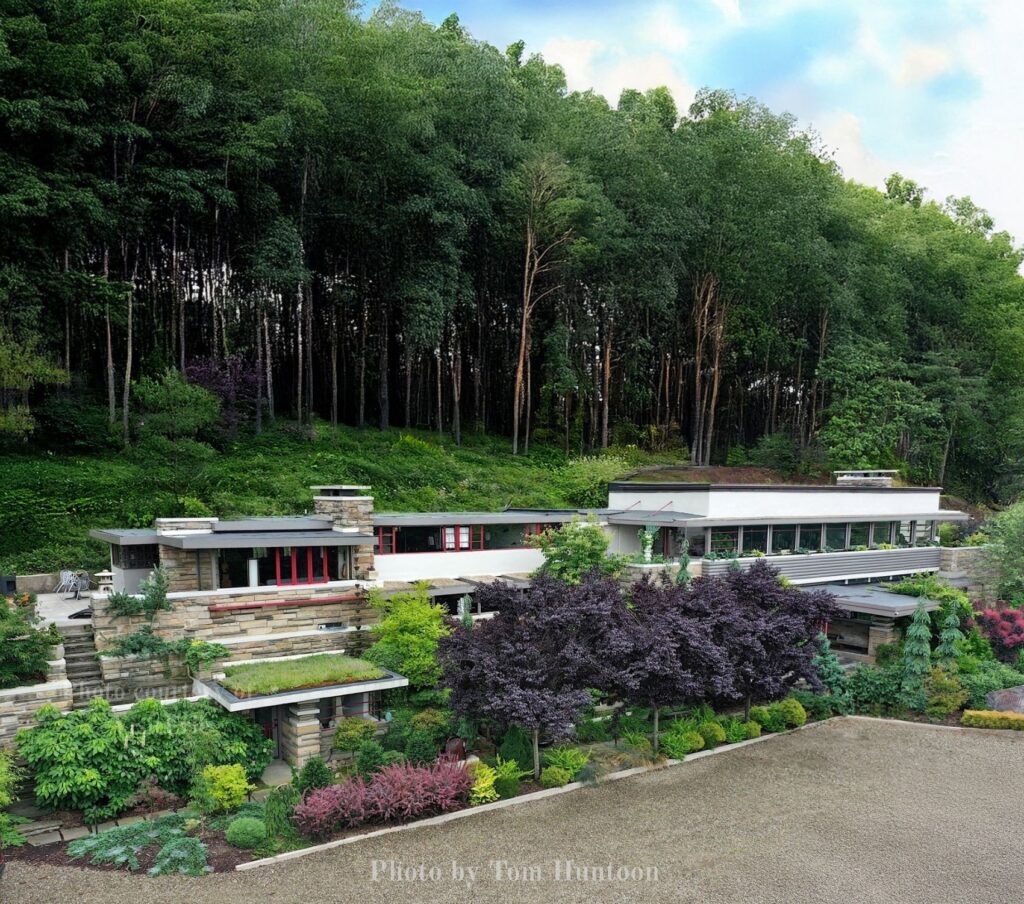
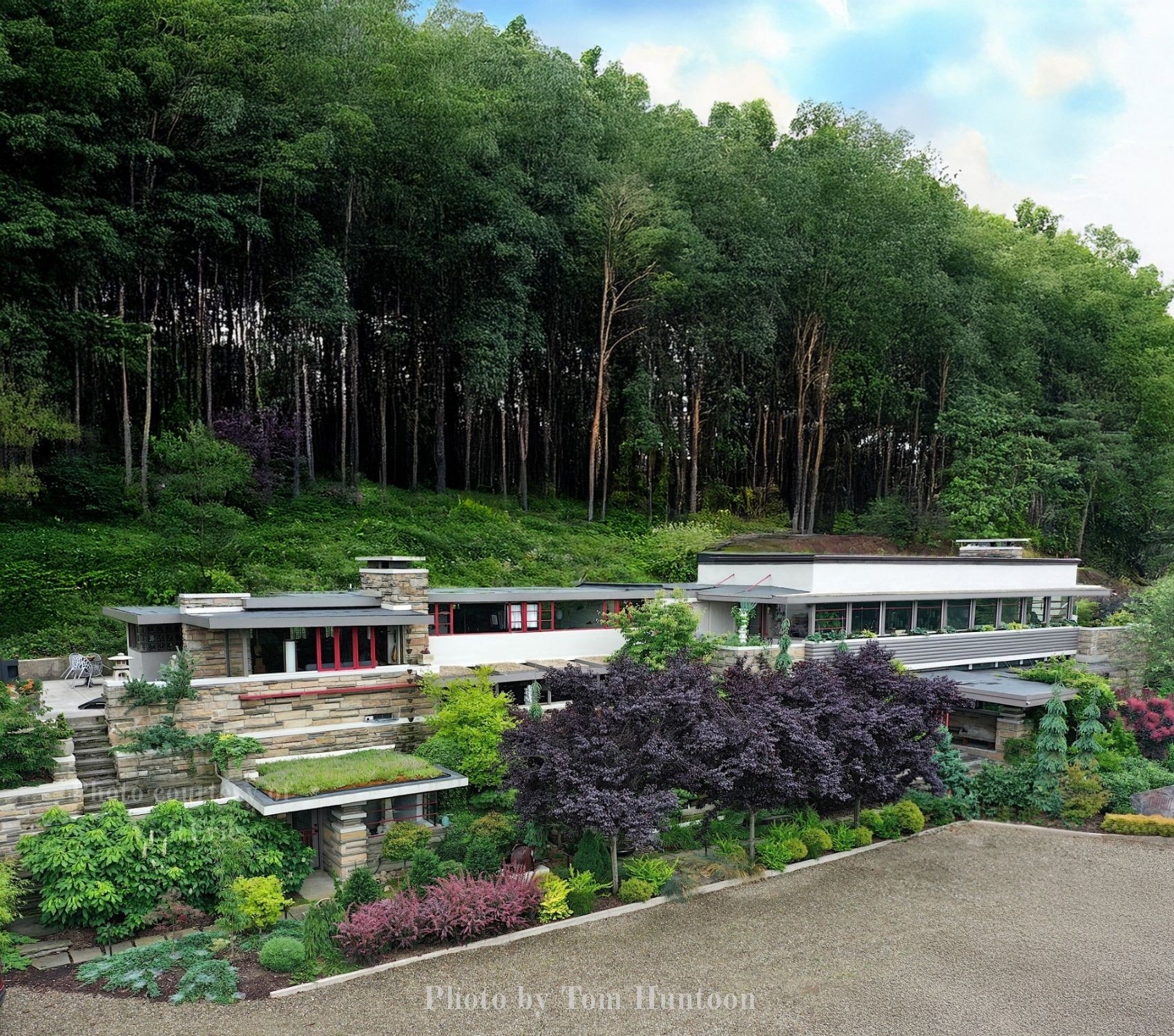
Lynn Hall: Stay at the Historic Lynn Hall designed by renowned architect Walter J. Hall, reminiscent of Frank Lloyd Wright. Port Allegany, McKean County.
Gmeiner Art & Cultural Center: Renowned art and cultural center. Wellsboro, Tioga County.
Smythe Park Gate House: Site of the world’s first night football game.
Dietrich Theatre: Built in 1936 as a modern theatre of the times. Tunkhannock, Wyoming County.
Tunkhannock Viaduct: Largest poured concrete bridge in the world lauded as “one of the true wonders of the world” upon its construction in 1915. Nicholson, Wyoming County.
Scranton Cultural Center: Enjoy shows in the grandiose cultural center originally built as a Masonic Temple. Scranton, Lackawanna County.
Everhart Museum: Natural history, science, and art museum founded by Dr. Isaiah Fawkes Everhart. Scranton, Lackawanna County.
Wayne County Historical Society: Home of the Stourbridge Lion replica. Honesdale, Wayne County.
The Columns Museum: Home of the Lincoln Flag, stained with President Lincoln’s blood. Milford, Pike County.
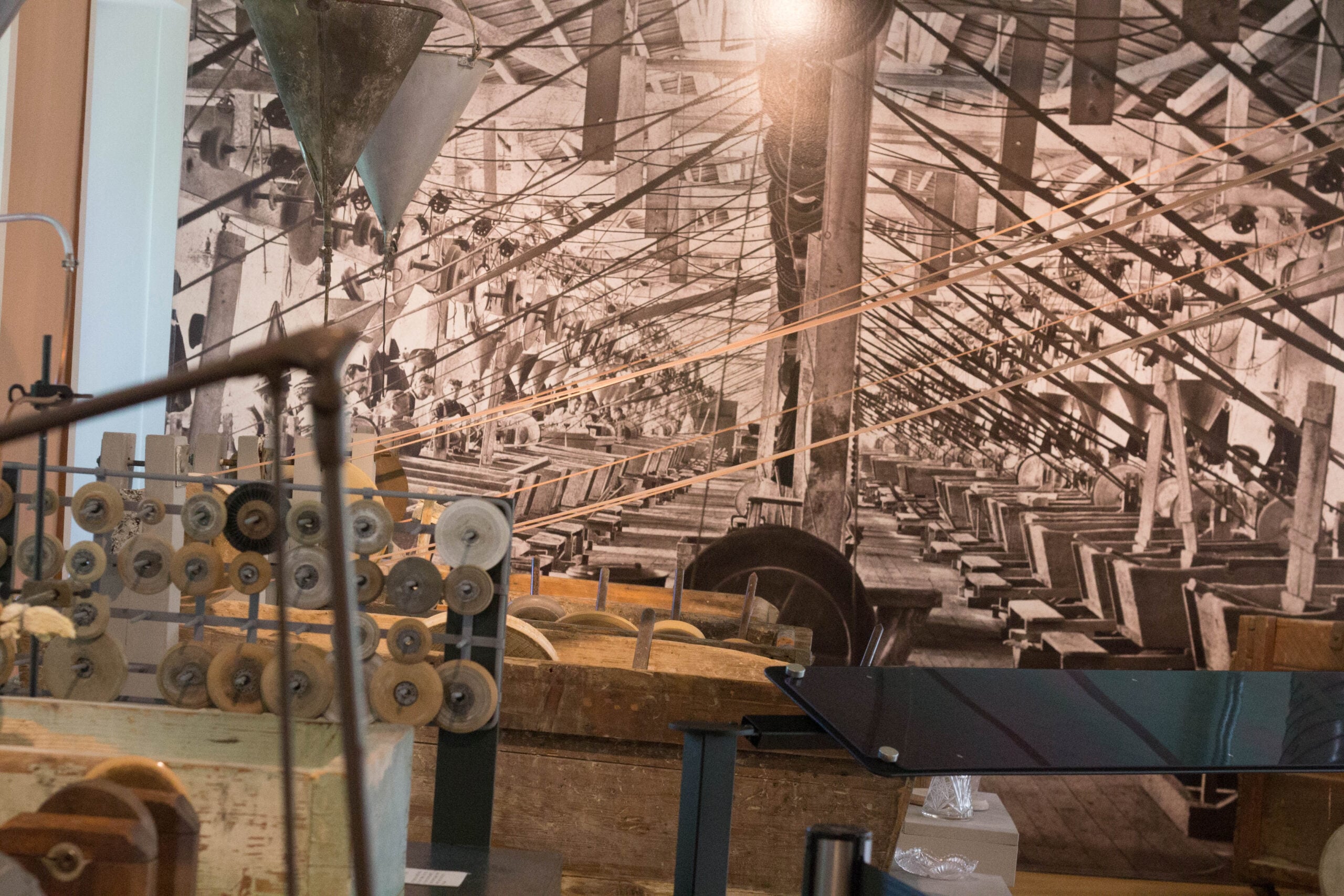
Dorflinger Glass Museum: The Dorflinger Glass Museum preserves and celebrates the history of American glassmaking by showcasing one of the nation’s largest collections of fine cut, engraved, etched, gilded, and enameled crystal produced by the historic Dorflinger Glass Works, which made luxury lead crystal tableware from the mid‑1800s that graced White House and Gilded Age tables. White Mills, Wayne County.
Zane Grey Museum: Visit the former home of famed western author Zane Grey. Lackawaxen, Wayne County.
Grey Towers National Historic Site: Former home of Gifford Pinchot, founder of the US Forest Service, now a National Historic Site. Milford, Pike County.
*Locations are listed West to East and can be found on the map above.
Historic Locations
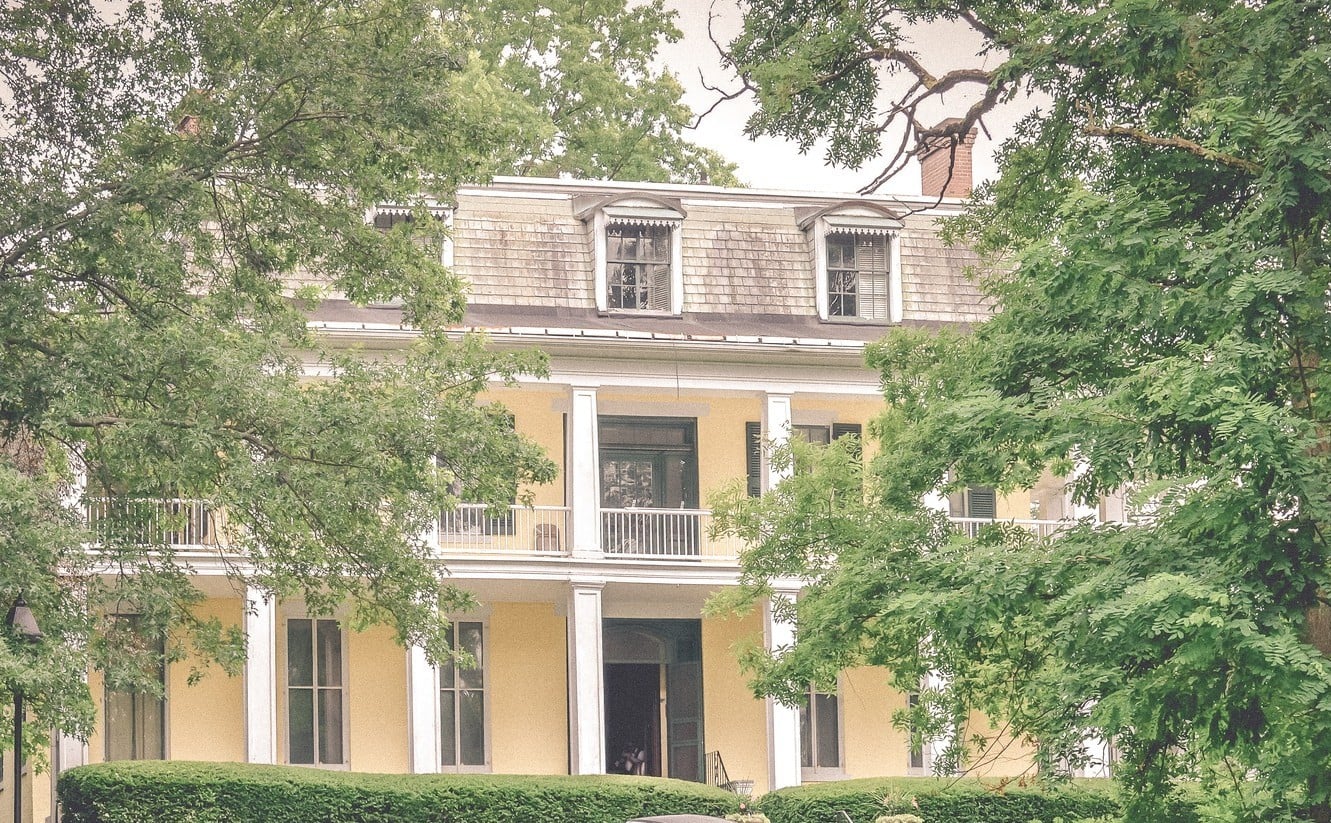


Discover where America’s stories live on, written right into the landscape.
Spirella Corsette Company: Where some of the first American corsets were made. The business has been closed for many years. Meadville, Crawford County.
Talon Company: Where the zipper was invented! The business has been closed for many years. Meadville, Crawford County.
Mount Hope: Baldwin Reynolds House: Home of Supreme Court Justice Henry Baldwin, now a museum. Meadville, Crawford County.
Pittsburgh Des Moines: Where the majority of the steel for the Gateway Arch was fabricated. The business closed long ago, and the building that held the factory is now part of United Refining. Warren, Warren County.
Smethport Specialty: Where the famous Wooly Willy toy was originally produced! The business has been closed for many years. Smethport, McKean County.
Henry Hamlin House: Former home of Henry Hamlin, once the wealthiest private banker in the US. The home is a private residence. Click the link for a guide to a Smethport Mansion District Walking Tour! Smethport, McKean County.
*Locations are listed West to East and can be found on the map above.
Historical Markers
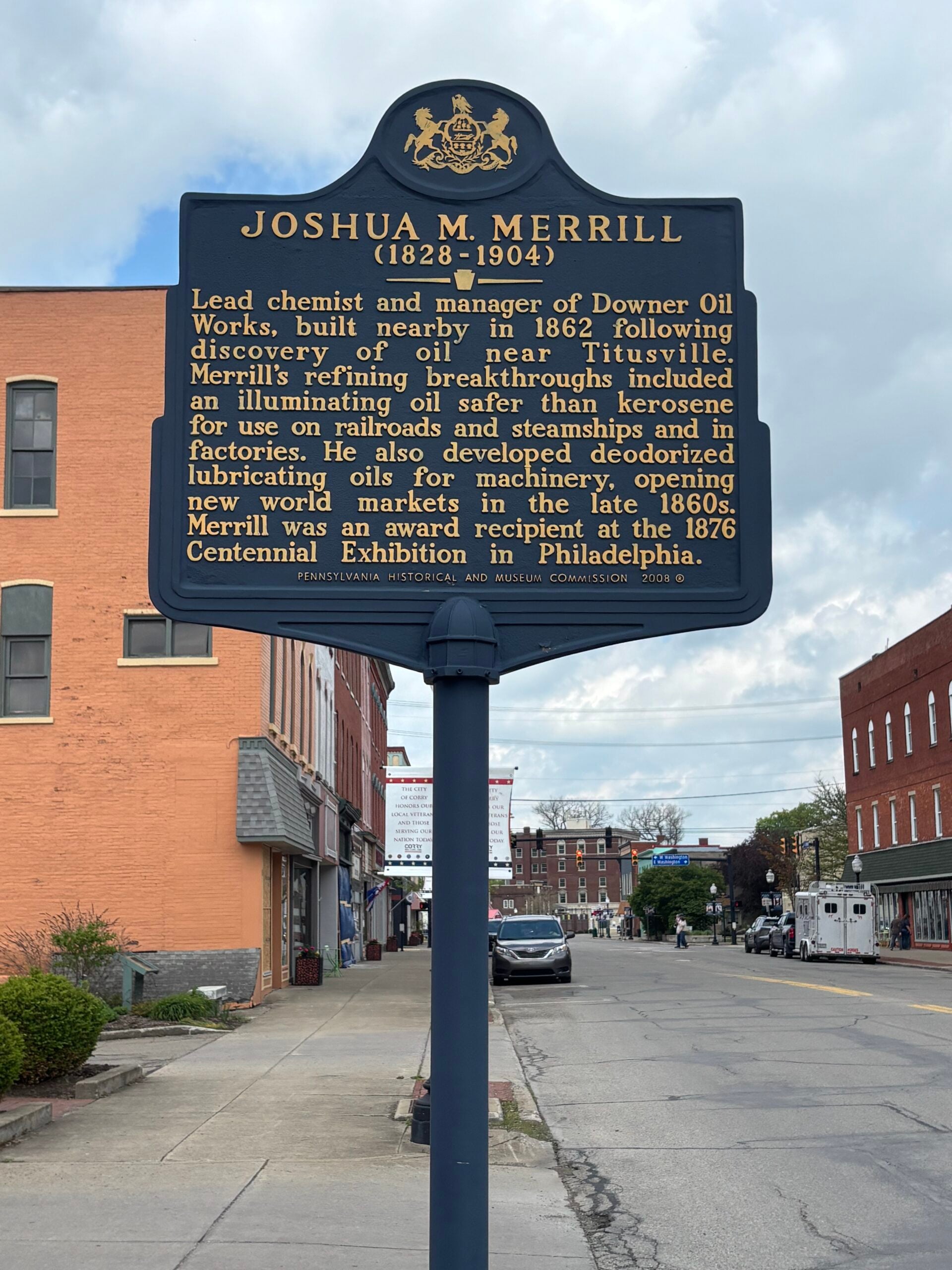
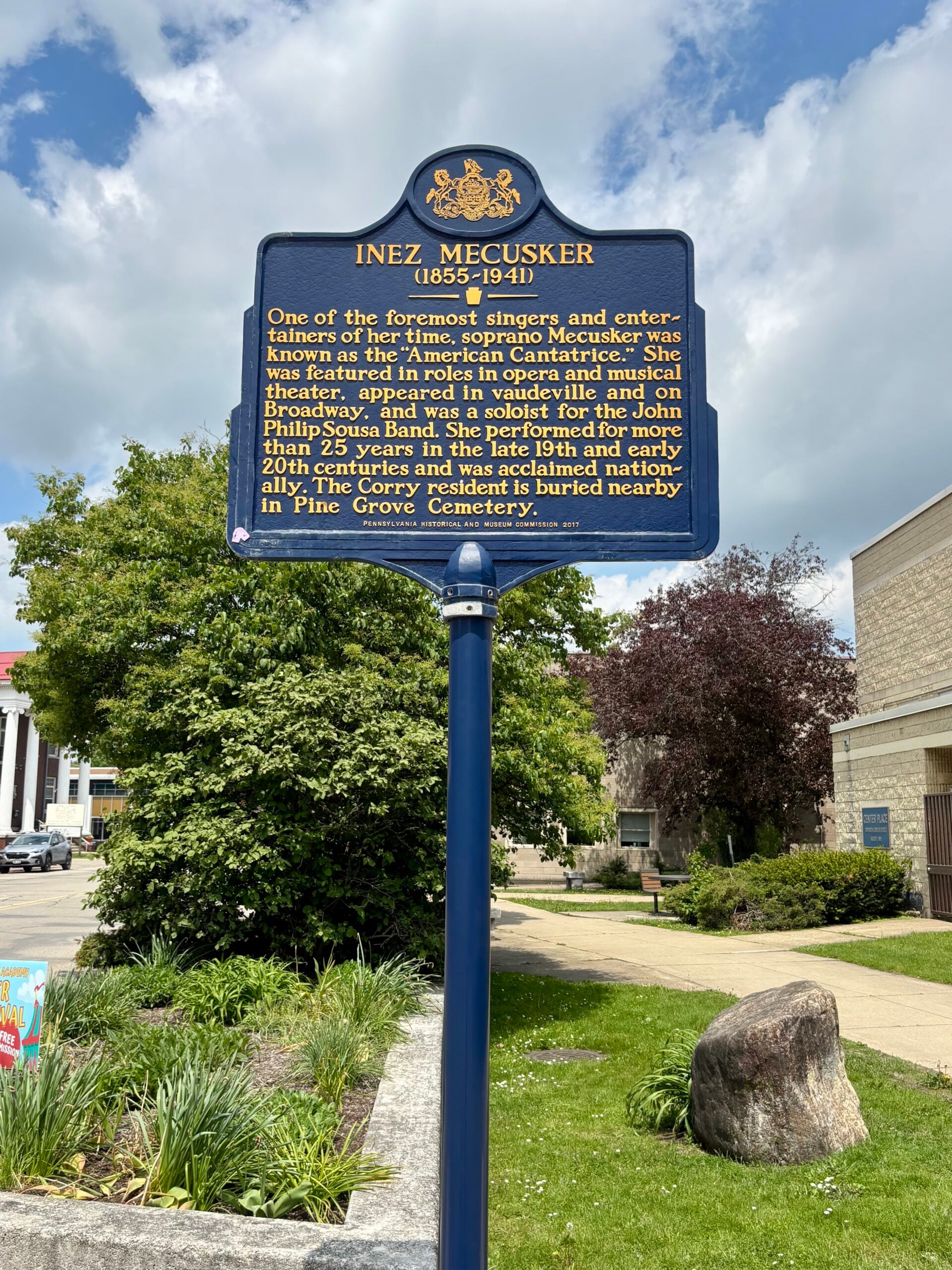


Follow the road as it reveals the stories written across the land, one marker at a time.
Joshua Merrill: Lead chemist and manager of Downer Oil Works, built nearby in 1862 following discovery of oil near Titusville. Merrill’s refining breakthroughs included an illuminating oil safer than kerosene for use on railroads and steamships and in factories. He also developed deodorized lubricating oils for machinery, opening new world markets in the late 1860s. Merrill was an award recipient at the 1876 Centennial Exhibition in Philadelphia. Corry, Erie County.
Inez Mecusker: One of the foremost singers and entertainers of her time, soprano Mecusker was known as the “American Cantatrice.” She was featured in roles in opera and musical theater, appeared in vaudeville and on Broadway, and was a soloist for the John Philip Sousa Band. She performed for more than 25 years in the late 19th and early 20th centuries and was acclaimed nationally. The Corry resident is buried nearby in Pine Grove Cemetery. Corry, Erie County.
Robert H. Jackson: Lawyer & jurist. Chief U.S. prosecutor, Nuremberg war crimes trials in Germany after World War II. Associate Justice, U.S. Supreme Court, 1941-54; noted for his defense of civil liberties. Served in President Franklin D. Roosevelt’s administration starting in 1934; U.S. Solicitor General, 1938-39, & Attorney General, 1940-41. Jackson was born on the family farm here in Spring Creek. Spring Creek, Warren County.
Dr. McCleery Wolf Farm: A medical doctor by profession, McCleery established a wolf park nearby to breed and care for lobo wolves, a subspecies of gray wolf. Subject to a 1920s elimination program, this wolf was saved from extinction through his efforts. The park served as an education center for scientists and the public. Descendants of this pack survive in Montana and are the only bloodline of an animal that played a major role in western US ecology, history, and lore. Kane, McKean County.
Camptown Races: Stephen Foster’s title for the well-known song is said to have been taken from nearby Camptown. Foster’s residence at Towanda and Athens may have created the association. Wyalusing, Bradford County.
Walter B. Tewksbury: Winner of five medals in track & field, 1900 Olympic Games in Paris (two gold, two silver, one bronze). Co-holder, world record, 100 – meter dash, 1900. Member, National Track & Field Hall of Fame and Pennsylvania Sports Hall of Fame. At the University of Pennsylvania, intercollegiate champion, 100 & 220- yard dashes, 1898 & 1899; graduated, D.D.S., 1899. Practiced dentistry, coached track & field, and was active in the Tunkhannock community. Tunkhannock, Wyoming County.
Christy Mathewson: The famed baseball pitcher was born in Factoryville. Attended Keystone Academy, 1895-98; Bucknell University, 1898-1901. He was with the New York Giants, 1900-26, and Cincinnati Reds, 1916-18; pitched 373 winning games, achieving a National League record. Served overseas in World War I. One of the first five players in the Hall of Fame (1936), he was seen as a gentleman in a rough-and-tumble baseball era. Factoryville, Lackawanna County.
Winter Wonderland: Lyricist Richard “Dick” Smith (1901-1935) wrote the song “Winter Wonderland” in 1934 while being treated for tuberculosis in Scranton. Recorded by dozens of popular singers, it became one of the most memorable and beloved songs of the holiday season. Smith’s family lived here at 922 Church Street, and the song was inspired by his boyhood memories of playing across the street in Central Park. He passed away from TB shortly after the song was released. Honesdale, Wayne County.
Charles S. Peirce: The noted philosopher, logician, scientist and founder of pragmatism lived in this house from 1887 until his death in 1914. America’s most original philosopher and greatest logician, a great part of his work was written here. Milford, Pike County.
*Locations are listed West to East and can be found on the map above.
People

Travel the road that became the page for America’s stories, one life at a time.
Ray Caldwell: Professional baseball player most known for having been struck by lightning while on the mound and continued to pitch the rest of the game. Born in Corydon, Warren County.
John Chapman, AKA “Johnny Appleseed”: The first recorded orchard of American folk legend John Chapman, better known as Johnny Appleseed, was near Youngsville, Warren County.
Chief Cornplanter: Seneca Chief Cornplanter rose to prominence as a war chief allied with the British during the American Revolution before becoming a key diplomat who worked with the United States to secure peace and protect his people’s future. Warren County.
Father Francis Craft: Father Francis Craft was a Catholic missionary priest who devoted his life to serving Native American communities in the late nineteenth century, notably ministering to the Sioux and advocating for their welfare and religious life on the frontier. Pike County.
Christian Dorflinger: The Dorflinger Glass Museum preserves and celebrates the history of American glassmaking by showcasing one of the nation’s largest collections of fine cut, engraved, etched, gilded, and enameled crystal produced by the historic Dorflinger Glass Works, which made luxury lead crystal tableware from the mid‑1800s that graced White House and Gilded Age tables. White Mills, Wayne County.
Dr. Isaiah Fawke Everhart: Founder of the Everhart Museum, a museum of natural history, science, and art. Scranton, Lackawanna County.
Stephen Foster: Stephen Foster’s title for the well-known song is said to have been taken from nearby Camptown. Foster’s residence at Towanda and Athens may have created the association. Wyalusing, Bradford County.
Raymond Hood: American architect who designed the Tribune Tower, American Radiator Building, and Rockefeller Center, in addition to the Masonic Temple and Scottish Rite Cathedral which would become the Scranton Cultural Center at the Masonic Temple. Scranton, Lackawanna County.
John Mangus: NASA physicist John Mangus played a crucial role in the Hubble Space Telescope. Warren, Warren County.
Dr. Edward H. McCleery: A medical doctor by profession, McCleery established a wolf park nearby to breed and care for lobo wolves, a subspecies of gray wolf. Subject to a 1920s elimination program, this wolf was saved from extinction through his efforts. The park served as an education center for scientists and the public. Descendants of this pack survive in Montana and are the only bloodline of an animal that played a major role in western US ecology, history, and lore.
Inez Mecusker: One of the foremost singers and entertainers of her time, soprano Mecusker was known as the “American Cantatrice.” She was featured in roles in opera and musical theater, appeared in vaudeville and on Broadway, and was a soloist for the John Philip Sousa Band. She performed for more than 25 years in the late 19th and early 20th centuries and was acclaimed nationally. The Corry resident is buried nearby in Pine Grove Cemetery. Corry, Erie County.
Joshua Merrill: Lead chemist and manager of Downer Oil Works, built nearby in 1862 following discovery of oil near Titusville. Merrill’s refining breakthroughs included an illuminating oil safer than kerosene for use on railroads and steamships and in factories. He also developed deodorized lubricating oils for machinery, opening new world markets in the late 1860s. Merrill was an award recipient at the 1876 Centennial Exhibition in Philadelphia. Corry, Erie County.
Charles S. Peirce: The noted philosopher, logician, scientist and founder of pragmatism lived in this house from 1887 until his death in 1914. America’s most original philosopher and greatest logician, a great part of his work was written here. Milford, Pike County.
Dick Smith: Lyricist Richard “Dick” Smith (1901-1935) wrote the song “Winter Wonderland” in 1934 while being treated for tuberculosis in Scranton. Recorded by dozens of popular singers, it became one of the most memorable and beloved songs of the holiday season. Smith’s family lived here at 922 Church Street, and the song was inspired by his boyhood memories of playing across the street in Central Park. He passed away from TB shortly after the song was released. Honesdale, Wayne County.
Gideon Sundback: Sundback, a Swedish-American electrical engineer, was the inventor of the zipper while working for Talon, Inc. in Meadville. Meadville, Crawford County.
Margaret Sutton: Author Margaret Sutton is best known for the Judy Bolton book series. Sutton grew up in Coudersport, Potter County.
Chief Thundercloud: Chief Thundercloud, also known as Dominique LaPlante, was a Native American model who posed for the likes of Frederick Remington and Francis Millet. He was a resident of Dingmans Ferry, Pike County.
Charles D. Wetmore: Architect Charles Wetmore, of the Warren Wetmores, designed the beautiful Warren Public Library. He and his firm Warren Wetmore would go on to design NYC Grand Central Terminal, the Biltmore Hotel, and other prestigious landmarks. Warren, Warren County.
Artisan Trail
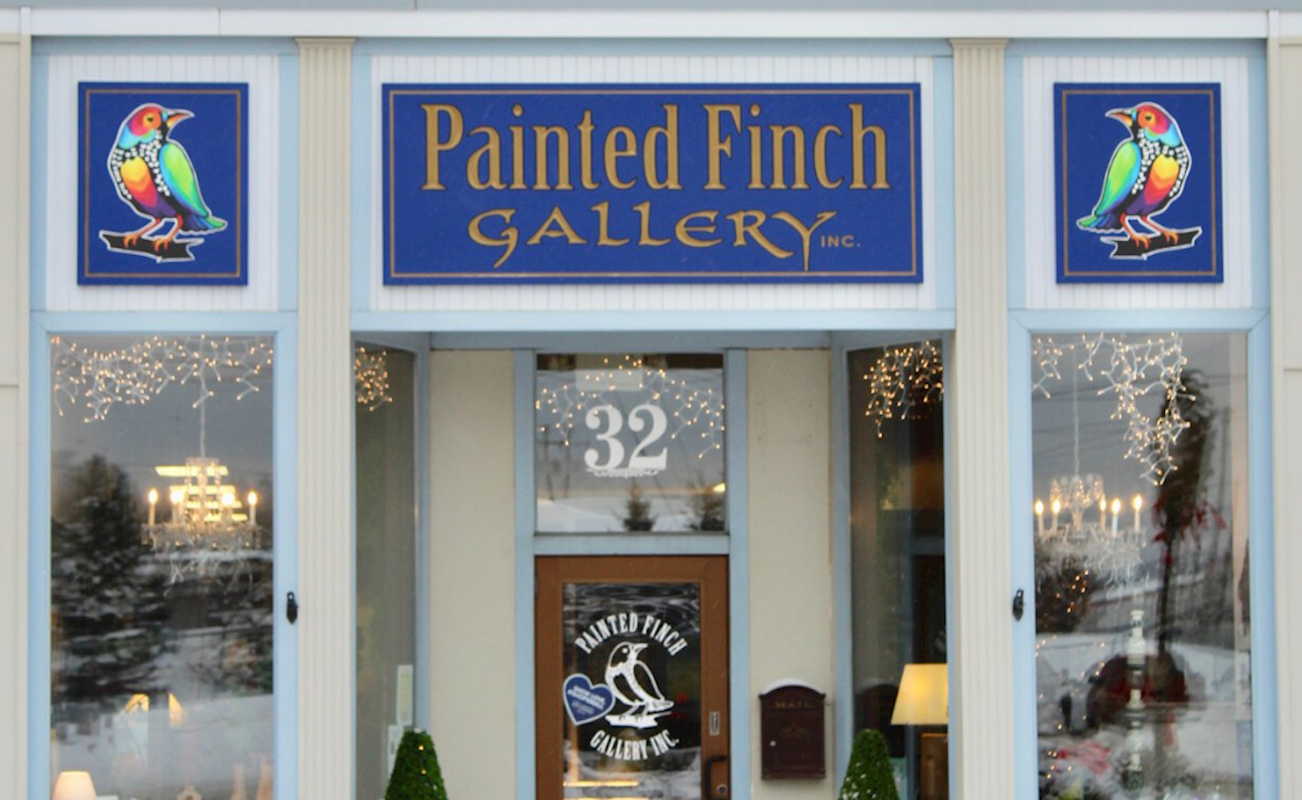


Creative Geniuses aren’t just in the past. The PA Route 6 Artisan Trail is where you’ll find creative makers, unique cuisine, craft brews, events, and more! Northern Pennsylvania’s rich history, diverse regions, and friendly people come together to produce a vibrant culture of craftsmanship and creativity.
The PA Route 6 Artisan Trail is special because it’s not just about shopping, it’s about connection. Winding through small towns, heritage communities, and scenic landscapes, the trail invites individuals and families to meet the makers behind the work, see creativity in action, and experience Pennsylvania’s culture up close. From studios and galleries to farm shops, festivals, and hands-on workshops, every stop offers a story and a chance to slow down, explore, and support local talent. Whether you’re planning a day trip, a weekend adventure, or a spontaneous roadside stop, shopping the Artisan Trail means becoming part of PA Route 6 itself, strengthening local communities, preserving traditions, and creating shared memories that last far beyond the drive.
Public Art & Mural Trail


Tucked away among the beautiful scenery of the PA Route 6 corridor is a vast collection of creativity and imagination. Sometimes “hidden” in plain sight, other times camouflaged as parts of larger works, dozens of murals and public art pieces are waiting to be discovered. And now we’ve made it even easier for you to locate and appreciate these many exquisite works of art with the PA Route 6 Public Art & Mural Trail.
Get Social
